
Partner Partner Content How employee retention grows Michigan’s health care workforce
Retaining folks working within the health care sector is a vital strategy in turning around current and projected workforce shortages.
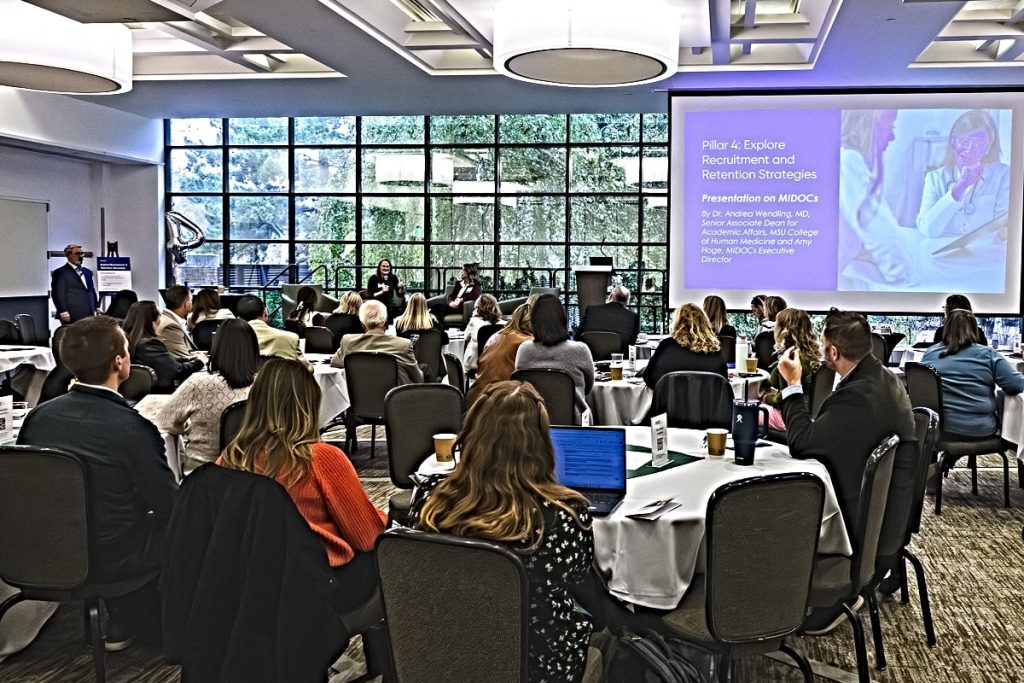
To grow Michigan’s health care workforce, the Michigan Health Council Workforce Plan recognizes that retention is as important as recruitment. People working in health care often experience burnout due to excessive workloads, emotional intensity, administrative burdens, and lack of organizational support, according to a U.S. Department of Health and Human Services report.
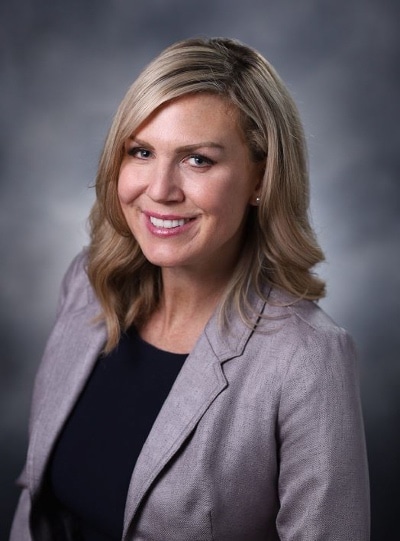
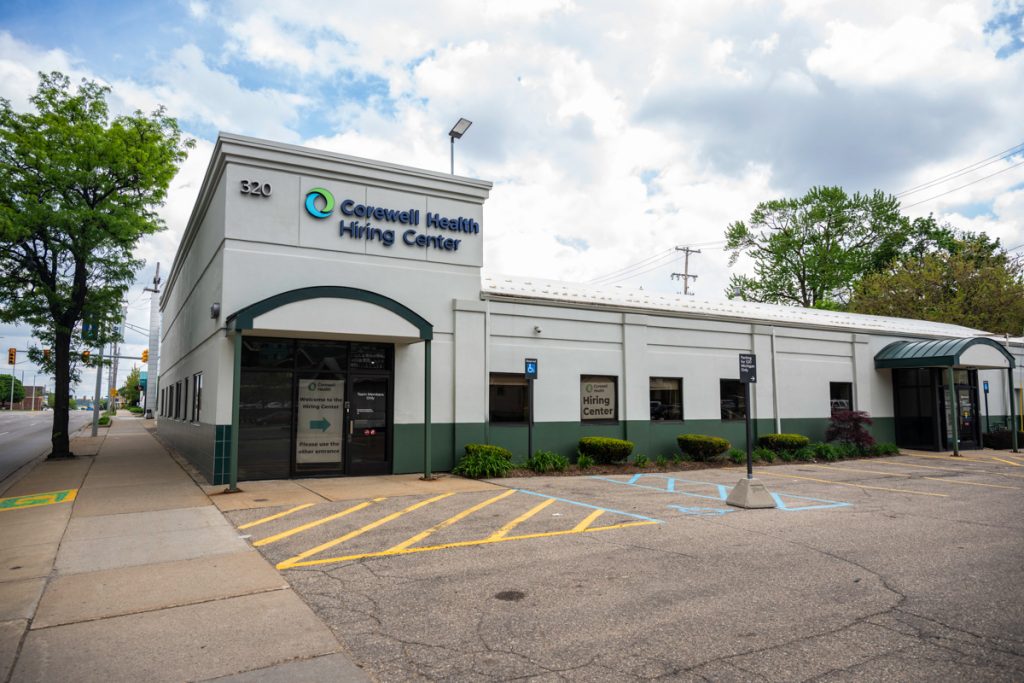
Corewell Health: Experience = exceptional care
With more than 60,000 team members across the state of Michigan, Corewell Health recognizes that retaining existing team members enables the delivery of better care.
“We’re looking for the best talent on the front end. Once they come in the door and they’re part of Corewell Health, it’s important to us to create an environment where they want to stay,” says Nicole McConnell, Corewell Health senior vice president of people strategies and operations.
Employees with practiced experience on the job can deliver exceptional care while sharing what they’ve learned with each other and new hires.

To boost employee retention, Corewell tracks first-year turnover data, works with department leaders to understand the causes, and helps them find solutions to reduce it. The health system also strives to create a supportive work environment, provides employee wellness resources, and prepares employees at all levels for advancement opportunities.
“We see that benefit as individuals apply for roles internally and move into different roles. They are able to bring that knowledge forward and positively impact the community,” McConnell says.
One example, Corewell’s “Earn to Learn” program’s pharmacy tech apprenticeships can transform an entry-level job into a well-paying, lifelong, health care career. Funding from the State of Michigan Growing Pro Talent Fund enables employees in the apprenticeship to continue earning wages while they’re going to school.
“We may take individuals that work in food service or housekeeping and provide them the opportunity to become a pharmacy tech,” says Jan Harrington-Davis, Corewell senior vice president of talent attraction.
Corewell’s Lead Well Academy equips leadership staff to foster retention within their own departments while preparing them for career advancement within the health system.
“We’re identifying leaders who we believe have the potential to move to that next level role and supporting them with personalized … development plans,” McConnell says. “Here’s where they are today. What would they need to move into that next step?”
CMHA: State policy makes a difference
The Community Mental Health Association of Michigan (CMHA) addresses the state’s behavioral health workforce shortage at the state policy level with both recruitment and retention strategies.
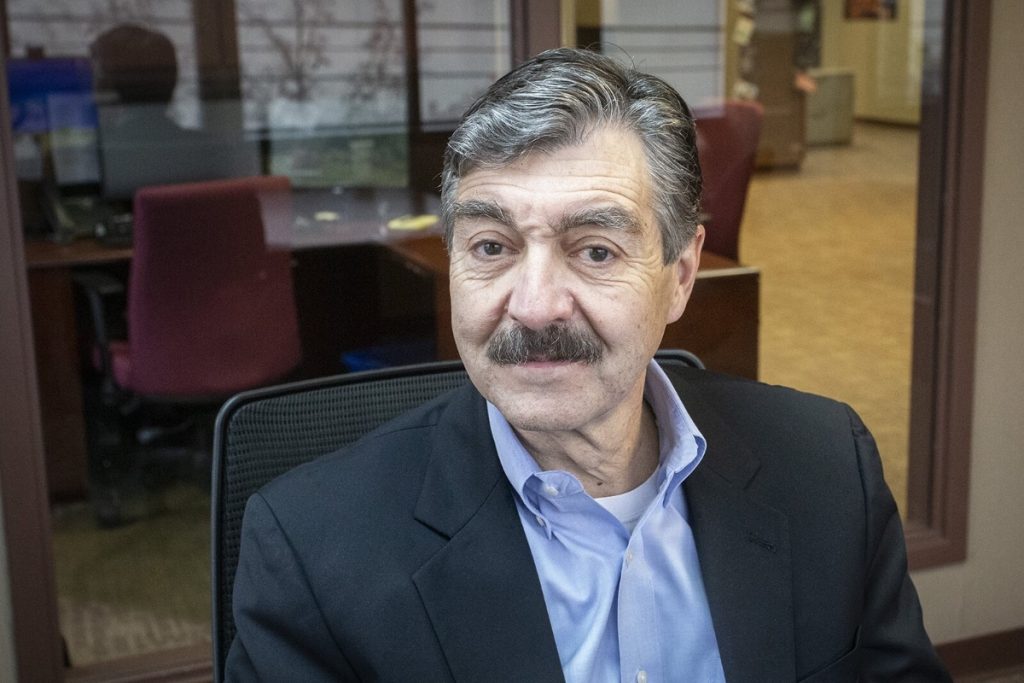
“If we look at the causes of people leaving, the two biggest reasons are pay and administrative burden,” says CMHA executive director Robert Sheehan. “One of the best retention strategies that we’ve seen our members try is to pay their employees better.”
Sheehan identifies administrative burden as the second biggest cause.
“People go into the helping professions, behavioral health professions, because they want to see clients, not because they want to do paperwork,” he says. “The paperwork burden on our system — it’s unbelievable.”
CMHA and the State of Michigan are working together to decrease that administrative burden. Sheehan notes that technology also plays a role in reducing that burden. For example, AI-enhanced note-taking can shave hours off the time it takes clinicians to transcribe and edit patient notes.
“We’re not a believer in AI at the front door. We found that people need to engage with a human being, but AI note-taking can probably cut my paperwork time for that task by 80%,” Sheehan says.
CMHA also advocates for higher Medicaid reimbursement rates so CMHs can afford to pay all levels of staff wages more comparable to the private sector. Sheehan shares that, since 2014, a 60% non-Medicaid CMH funding has decreased by 60% — from $310 million to $125 million — while the percentage of Medicaid patients has increased from 69% to more than 90%.
“The health care workforce shortage that we’re facing in Michigan is the deepest and most prolonged that I’ve ever seen,” Sheehan says. “How is it impacting us? It takes longer to get into services. The services you get will be either less frequent or shorter sessions. Access to choice among clinicians is limited. In the old days that was limited, often, to psychiatry. Now the gap cuts across all disciplines.”
CMHA surveyed the state’s public mental health agencies to learn how each of them is working to retain employees. Innovations currently underway not only increase pay but also offer wellness days, hybrid and four-day work schedules, additional benefits, paid professional development, and retention stipends, to name a few.
Sheehan also applauds a state-sponsored recruitment tool that turned out to be a retention tool. The Michigan State Student Loan Repayment Program requires people to work in the public health sector for two years after graduation.
“People who already had student loan debt signed up and agreed to work for at least two more years with their public system,” Sheehan says. “Almost everybody who signed up, hundreds of people, were current practitioners in the public system. It’s a great retention tool.”
Older adults: “Expertise, leadership, perspective, and resilience”
Sheehan notes that the COVID-19 pandemic drove many older adults out of health care professions. Other continuing causes are burnout and age discrimination.
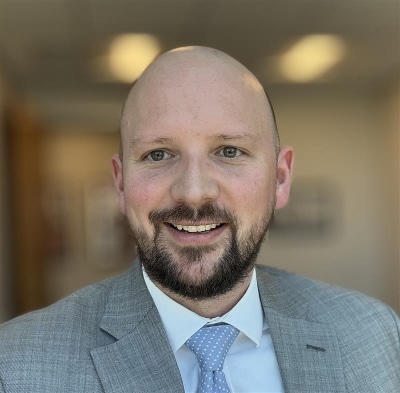
“Older workers bring many things to the table … expertise, leadership, perspective, and resilience,” says Jason Lachowski, AARP Michigan associate state director, government affairs. “In terms of how we all collectively benefit, AARP research has found that age discrimination drains about $850 billion from the U.S. economy every year, and that figure is projected to grow to nearly $4 trillion by 2050.”
Older workers often face outdated stereotypes leading to age discrimination that undermines both employees and employers, especially when it comes to retention.
“Employers play a key role in addressing age discrimination,” Lachowski says. “Employers can do this on the front end with their hiring practices, but also on the back end by ensuring that all employees, regardless of age, are able to be successful.”
To boost retention, employers can adopt policies that provide flexibility for older employees, whether that’s part-time hours, working remotely, or retention stipends. A focus on building a company culture that embraces the wisdom, expertise, and abilities that older adults bring can help overcome stereotypes that equate age with decline.
Recently, AARP Michigan has focused on the workforce shortages among direct care workers who serve in long-term care facilities. CMHA’s Michigan’s Direct Care Workforce Living Wage and Turnover Cost Analysis reported turnover rates of 68% among certified nursing assistants and 89% among personal care aides.
The lack of well-trained direct care workers combined with the 53% increase in the US 65+ population between 2022 and 2060 points to an even larger workforce crisis. An estimated 8.9 million direct care worker job openings are projected by 2032.
“These are those workers providing supports to patients, things like eating, bathing, dressing,” Lachowski says. “AARP Michigan has advocated for increased wages and benefits for direct care workers as well as better training and credentialing. We’ve done that every year in Michigan, typically during the appropriations process.”
Looking at turnover data, improving access to career development, creating supportive workplace environments, offering retirement-age workers perks to stay on the job, and welcoming immigrants back to the workforce can all play a part in boosting retention in the health care workforce.
“Hiring and keeping great people within the community that we serve helps us to live our values and our mission throughout the organization,” Harrington-Davis says. “Also, it promotes financial stewardship within the organization.”
Photo of Solutions Summit and Robert Sheehan by Doug Coombe.
Photos of Corewell Health courtesy Corewell Health.
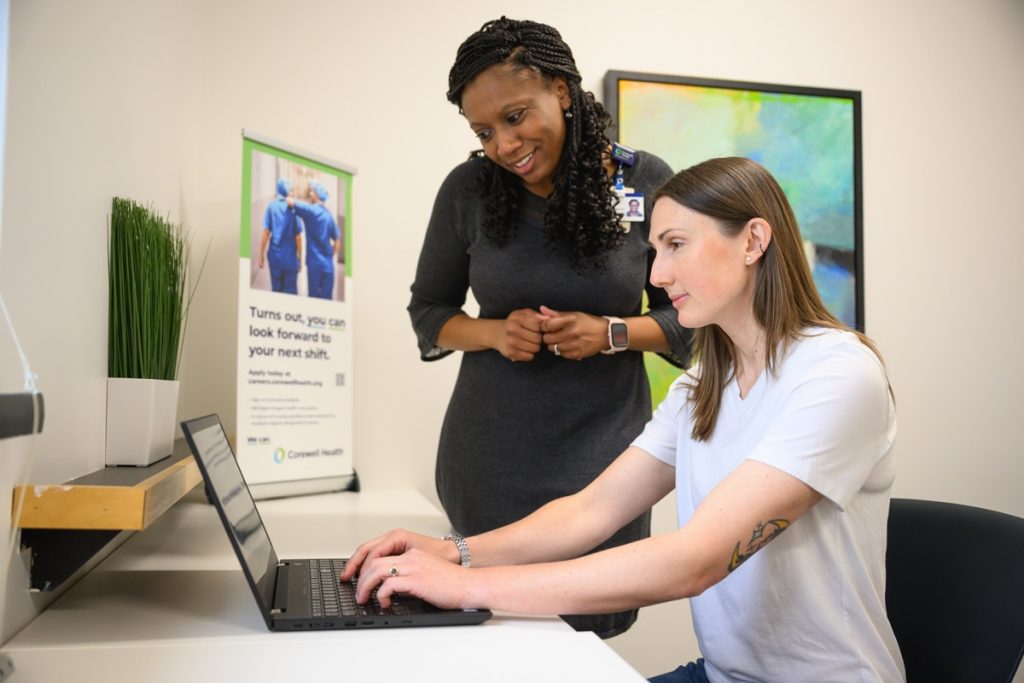
Photo of Jason Lachowski courtesy AARP Michigan.
This story is made possible with funding from the Michigan Health Council, a solutions-oriented nonprofit organization working to ensure the future of the health care workforce by connecting health care leaders, professionals, employers, educators, and students to various products and services spanning the education-to-practice continuum.
Related Articles
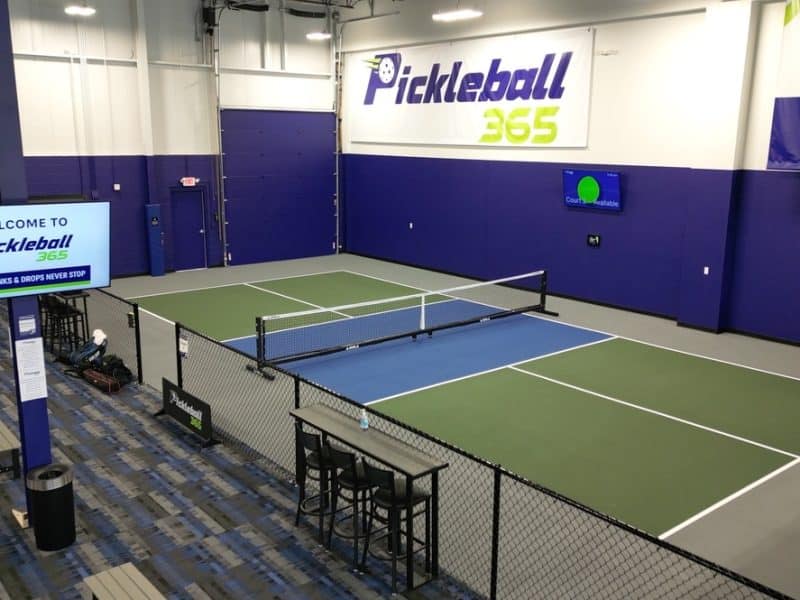
Pickleball 365 serves up nonstop action in Fair Haven
When owners Bob and Deanna Lorincz were introduced to the sport and fell in love with it, they noticed there was a need for a space like this in their community. Since opening last Spring, the facility serves up nearly 2,500 players each month.

Partner Partner Content Thumb Art Spark igniting creativity throughout Michigan’s Thumb
Designed to make public art easier to imagine, fund, and install, the platform at ThumbArtSpark.com helps communities share project ideas, identify potential art sites, connect with experienced artists, and explore sponsorship and funding pathways.

CocoBella’s whisks charming European bakery to St. Clair
Transporting visitors to a European-style village bakery, CocoBella’s in St. Clair is whipping up daily, freshly-made baked goods, from Nutella croissants to cranberry loaves.


