
Partner Partner Content Listening to the Experts: How St. Clair County teens are shaping the future of mental health
The Teen Advisory Group (TAG), started by St. Clair County Community Mental Health, brings together students from across the county to do something both simple and powerful: tell adults what teens actually need – and then help make it happen.
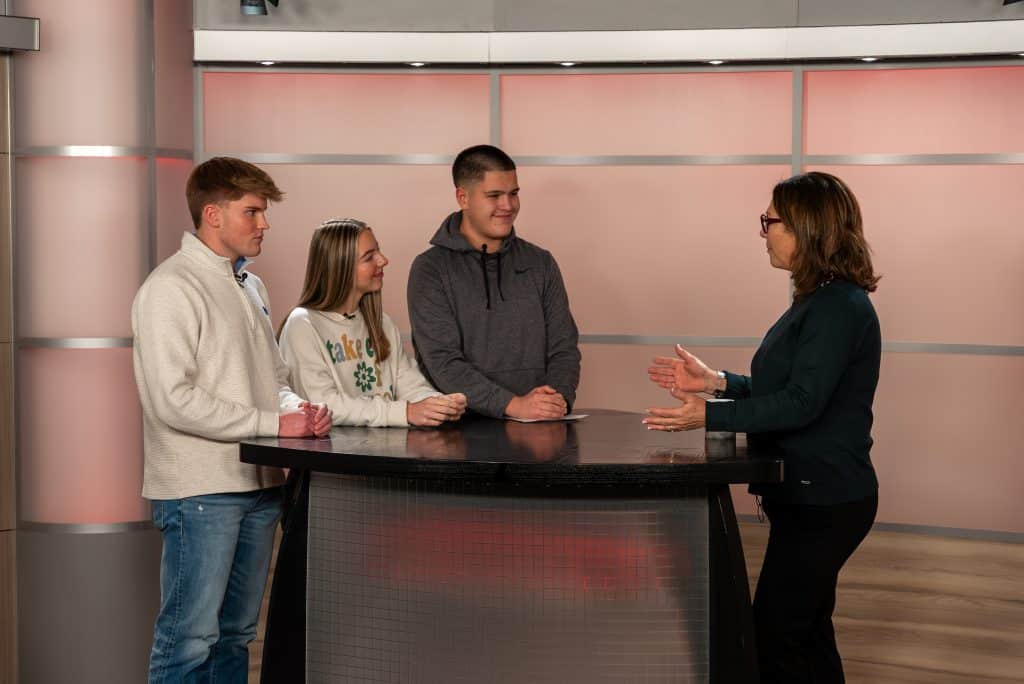
In conversations about youth mental health, adults often dominate the room – analyzing trends, discussing solutions, and debating what young people need. But in St. Clair County, a group of teenagers is flipping that script. They’re not waiting to be asked how they’re doing. They’re speaking up, leading projects, and building tools to support their peers – on their own terms.
The Teen Advisory Group (TAG), started by St. Clair County Community Mental Health (SCCCMH), brings together students from across the county to do something both simple and powerful: tell adults what teens actually need – and then help make it happen.
TAG is made up of 14 students ages 14 to 18, representing eight local high schools, including Port Huron Northern, Port Huron, Yale, Marysville, Algonac, Anchor Bay, and Memphis High Schools, and the Virtual Learning Academy. To participate, students must live in or attend school in St. Clair County. They applied in the spring, committed to a year of service, and began meeting in August. What has unfolded since then has exceeded expectations.
“These students came in ready,” said Michele Nelson, a clinical coordinator at SCCCMH and one of TAG’s facilitators. “They didn’t need convincing that youth mental health matters. They were already thinking about how to help their peers, across schools, backgrounds, and experiences.”
Why TAG Exists
TAG was born out of a simple but important realization: youth mental health concerns are rising, and adults don’t always have the whole picture. SCCCMH staff recognized a gap, not in caring but in connection.
“We kept coming back to the same question,” Deb Johnson, CEO of SCCCMH, explained. “If we want to support teens better, or understand what we can be doing differently, who should we be listening to? The answer was simple: the teens themselves.”
Johnson also noted that local MiPHY data was used to help guide the development of a program addressing mental health at the youth level, ensuring the group focuses on real issues identified by local youth and reflects the needs, concerns, and experiences of teens in the community. MiPHY is the Michigan Profile for Healthy Youth, a voluntary and anonymous student survey provided by the Michigan Department of Education. It is completed by students in grades 7, 9, and 11 and collects information about youth health and well-being, including mental health, substance use, bullying, school safety, physical activity, and overall emotional health.
Through conversations among SCCCMH staff, reviewing data, and looking at successful youth programs elsewhere, the idea for TAG took shape. Rather than creating a program for teens, SCCCMH set out to create a platform with them – one where youth voice would lead, not simply advise.
Student-Led, Not Adult-Driven
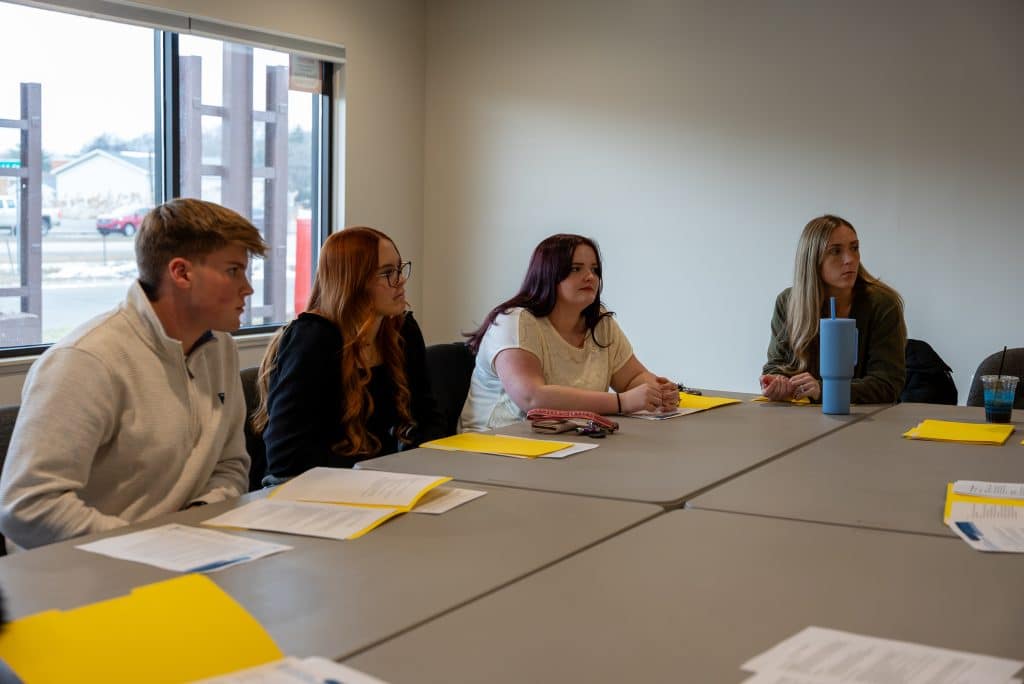
TAG meets monthly for two-hour sessions, but the work doesn’t stop there. As the group launches new initiatives, including a social media presence and a podcast, members collaborate outside of meetings, taking ownership of projects and ideas. SCCCMH provides structure, space, and support, but the direction is driven by the students.
The balance is intentional.
“Our role is to remove barriers and provide resources,” said Aubree Mayhew, Community Relations Specialist at SCCCMH and TAG co-facilitator. “The ideas, the priorities, and the passion…that all comes from them.”
From the beginning, TAG members have emphasized that teen mental health isn’t one-size-fits-all. Their discussions span everything from academic pressure and social media stress to athletics, family challenges, relationships, and peer pressure. The diversity of schools and backgrounds within the group has strengthened their work, allowing them to think broadly about what support really looks like.
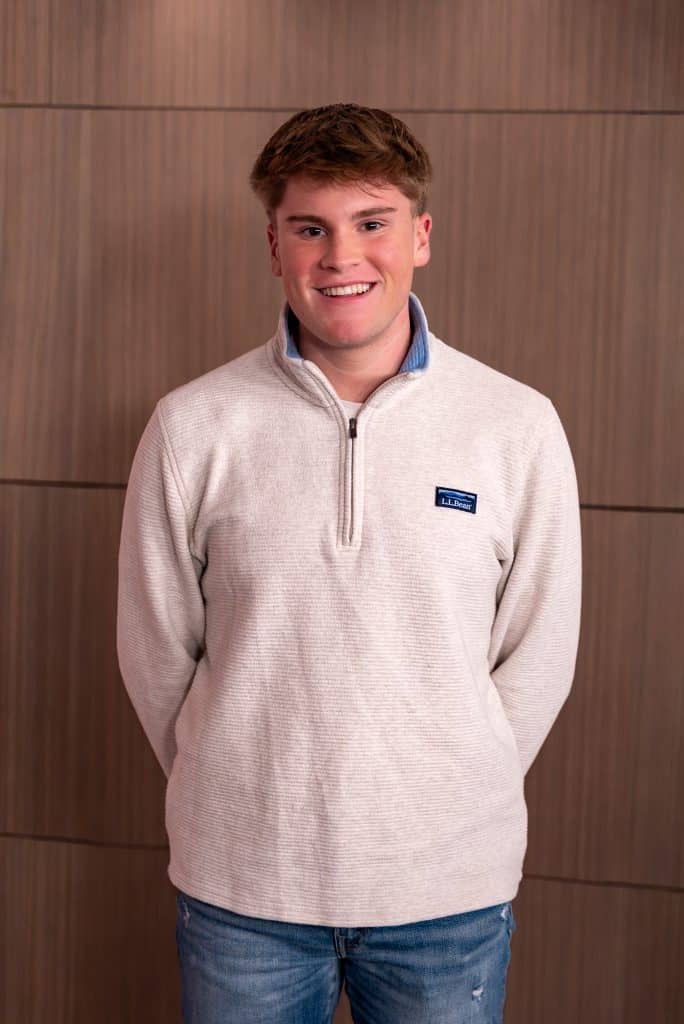
“There’s already immense academic, athletic, and social pressure on teens’ shoulders,” said Joshua Kriesch, a senior at Yale High School. “When adults dismiss mental health as something teens should just ‘get over,’ it can make things worse. A teen being exhausted or withdrawn isn’t laziness – it’s often someone trying to stay afloat. Every teen deserves time to rest, to be supported, and to know the adults in their life see them as strong, not weak.”
From Conversation to Action
TAG isn’t just talking about mental health; they’re creating tangible tools to reach other teens where they are.
One of the group’s first projects was contributing to Mental Health Minutes, short radio segments that air on local stations and offer practical, youth-informed tips for managing stress, emotions, and everyday challenges. Hearing teen voices on the radio, speaking directly to their peers, has been a powerful reminder that young people can be credible messengers.
The group is also in the process of launching a TAG Instagram page, designed to share relatable, accessible mental health content created by teens, for teens. Unlike polished campaigns aimed at adults, this platform will reflect real experiences and language that resonate with young people.
In schools, TAG members are working with administrators to incorporate brief “mental health moments” into morning announcements – small but consistent reminders that emotional well-being matters just as much as academics.
Behind the scenes, students are also developing a digital resource page that schools can make available on student Chromebooks. The pages will include articles, coping strategies, and important phone numbers, creating a centralized, teen-friendly hub for support.
And soon, TAG will add another powerful tool to their growing list: The Resilience Blueprint, a podcast launching in partnership with The Athletic Factory. The podcast will explore topics such as pressure, resilience, mental wellness, and growth through conversations that reflect real-life teen experiences.
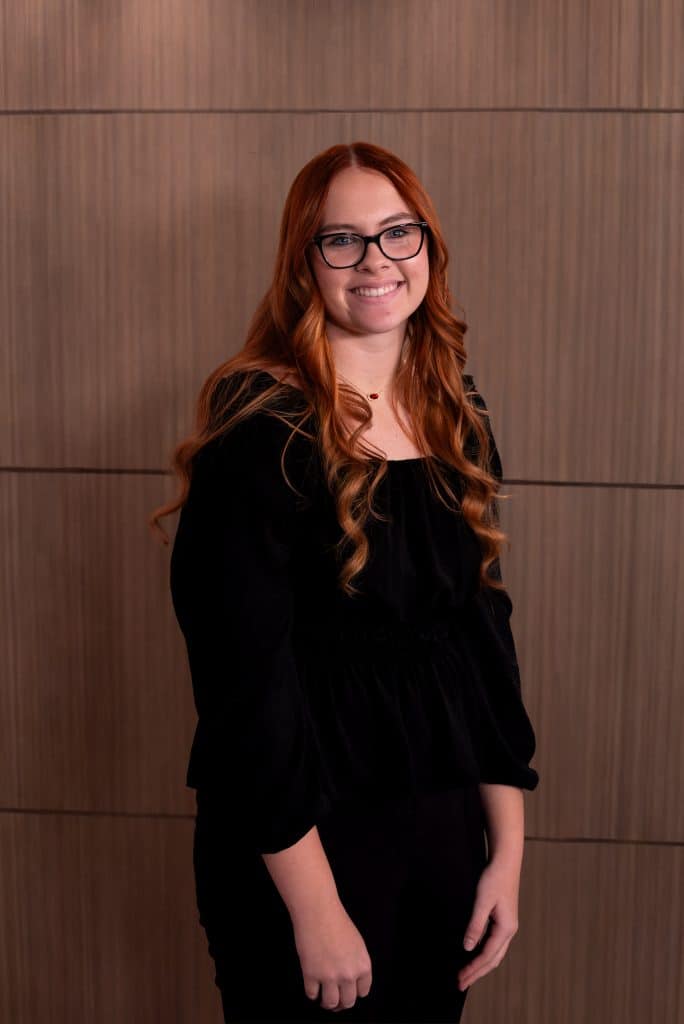
Nadine Cameron, a junior at Port Huron High School, noted that TAG’s strength lies in its diversity. “TAG is a dedicated group that truly strives to make every teen feel heard and represented. With students from eight different schools, we’re able to bring different perspectives to mental health conversations and create resources that actually reflect what teens are experiencing.”
Changing the Conversation – Together
What stands out most about TAG isn’t just what they’re producing, it’s how they’re approaching the work. These students collaborate across schools, listen to one another, and challenge assumptions. They don’t shy away from difficult topics and take their responsibilities seriously.
“They’re thoughtful, respectful, and incredibly motivated,” Nelson said. “They understand that mental health affects every part of life, and they want to help make those conversations normal and accessible.”
For SCCCMH, TAG represents more than a youth program; it’s a reminder of what’s possible when adults step back and truly listen.
A Call to Adults: Listen More, Trust More
TAG’s work sends a clear message to the broader community: young people are capable of far more than we sometimes give them credit for.
“A comment mistake parents and adults make is failing to differentiate normal teen stress from real mental health concerns,” said Jaycob Livingston, a senior at Memphis High School. “That distinction matters when teens are deciding whether it’s safe to speak up or ask for help.”
When adults create space, provide support, and trust youth to lead, meaningful change follows. Whether you’re a parent, educator, coach, or community member, TAG offers an example worth paying attention to.
The next generation isn’t just asking for help, they’re offering solutions.
To learn more about the Teen Advisory Group and hear directly from TAG members, watch their recent appearances on Healthy Minds, Healthy Bodies at:
Teen Advisory Group (TAG) – Healthy Minds, Healthy Bodies
Support for Teen Mental Health – Healthy Minds, Healthy Bodies
Applications for the next Teen Advisory Group cycle (August 2026 – July 2027) will open in May and be available at scccmh.org/tag.
Related Articles
Friends of St. Clair River promote Stonefly detection crucial for watershed protection
Friends of the St. Clair River will host a winter stonefly search on February 28 at Columbus County Park; data collected during the event will give scientists insight into the health of the Belle River.
Children’s mental health: When and where to access care
Local CMHs, CCBHCs, and primary care providers can serve as critical starting points, connecting children to mental health care.

Editor’s Picks: Top Stories from The Keel, 2025 Edition
The Keel Magazine’s Managing Editor Genevieve Fox selects her favorite stories from this year, and explains how readers can support the publication.


