
Master Gardener fuels Native Plant movement in St. Clair County
Jeanne Mackay’s lifelong interest in the outdoors and becoming a Master Gardener sparked an over-decade-long journey of tending native gardens across the Blue Water Area. She feels it’s her duty to educate the public on the importance of native species.
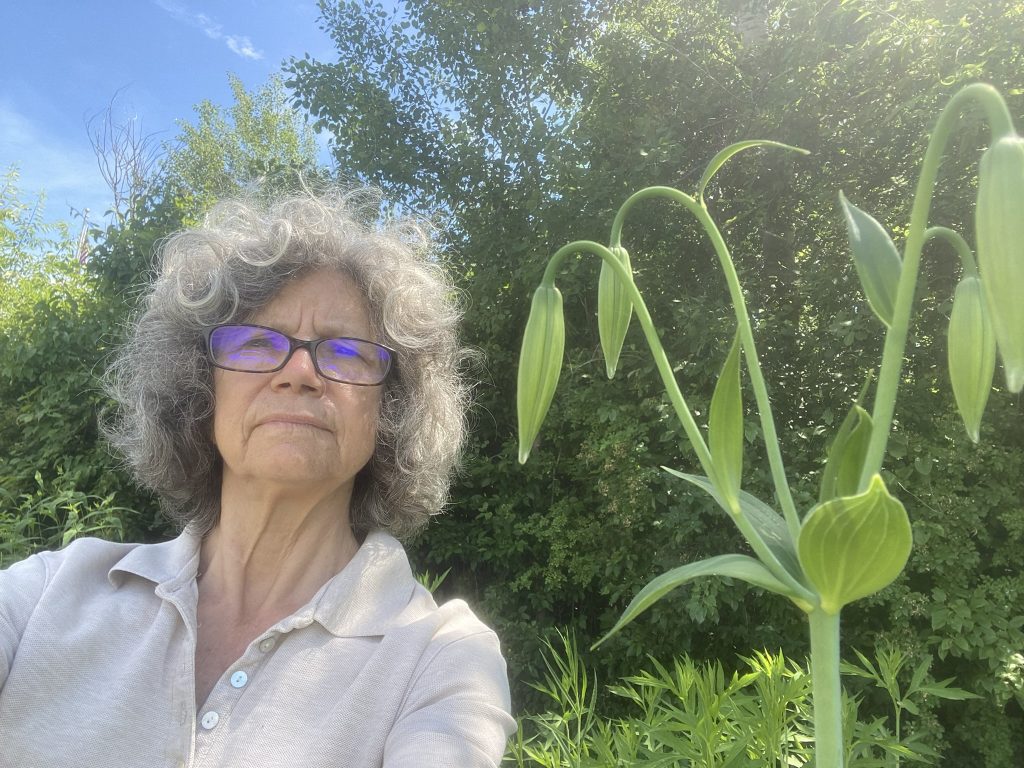
“Grandma would take me out there and teach me the wildflowers,” says retired teacher, now Master Gardener Jeanne Mackay, who’s helped make St. Clair County a more pollinator-friendly community.
Mackay says she always liked being outdoors. When she was a young girl, she lived in a small wooded area in Marysville next to her grandmother, an avid gardener. This instilled in her an appreciation for nature.
After she revived her school’s garden, she became involved in native gardening.
Across St. Clair County, many local spots like the Blue Water Riverwalk and Goodells County Park have one thing in common: native gardens. Since 2013, Mackay has helped gardens across the county reach their full potential by planting native plants to support native species from Monarch butterflies to the Northern Cardinal.
“I do it because I love it,” she says.
Teacher to Master Gardener
For over 20 years, Mackay taught first grade at Pine River Elementary School in East China Township. As a teacher, she would do nature-based activities with the students at the school’s large field, garden, and nature trail.
“I had that to utilize for a lot of science and nature lessons,” Mackay says.
In the field, she had her students catch grasshoppers and bring them inside to measure how far they would jump — as part of their math lesson.
Things really blossomed when she talked with her fellow teachers about gardening. She began thinking she could revive the school’s overgrown, untamed garden, which was started by someone interested in native gardening.
This was Mackay’s first step into understanding what native plants are and why they are important. Learning about native plants and pollinators also carried over into her science lessons.
“I had put some milkweed in that garden. and I remember one year we went out and we saw a caterpillar on the milkweed, so we just cut the whole stalk, put it in a jar of water, and we got to watch it eat and grow,” Mackay says.
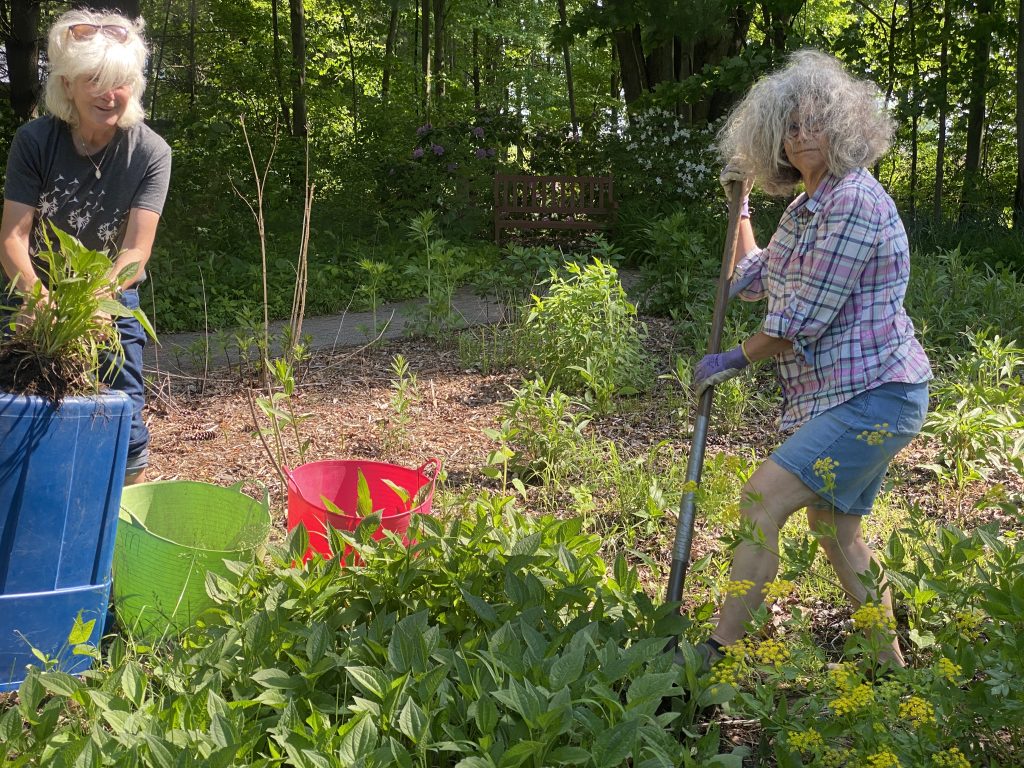
Not even a year into retirement, Mackay became a Master Gardener and began working in gardens at Goodells County Park. Mackay still helps maintain Pine River Elementary’s garden today, despite retiring more than 15 years ago.
Becoming a Master Gardener opened the doors for Mackay. She recalls attending a lecture with a friend about the importance of native plants.
“It was just so persuasive about how important it is to plant the native things to support the wildlife,” she says.
Eventually, she became in charge of all the native garden beds at Goodells County Park. In addition, she maintains the beds at Blue Water River Walk and volunteers with the Friends of the St. Clair River.
Mackay says it’s “the grunt work” that she loves most.
Even during the off-season, there is work to do. In the winter, she works with other outdoor volunteers for the Friends of the St. Clair River sorting seeds gathered from native garden beds for the Thumb Coast Seed Library Project. The seed libraries at the Friends Watershed Center and SC4’s library provide the community access to free native plants and accompanying educational resources.
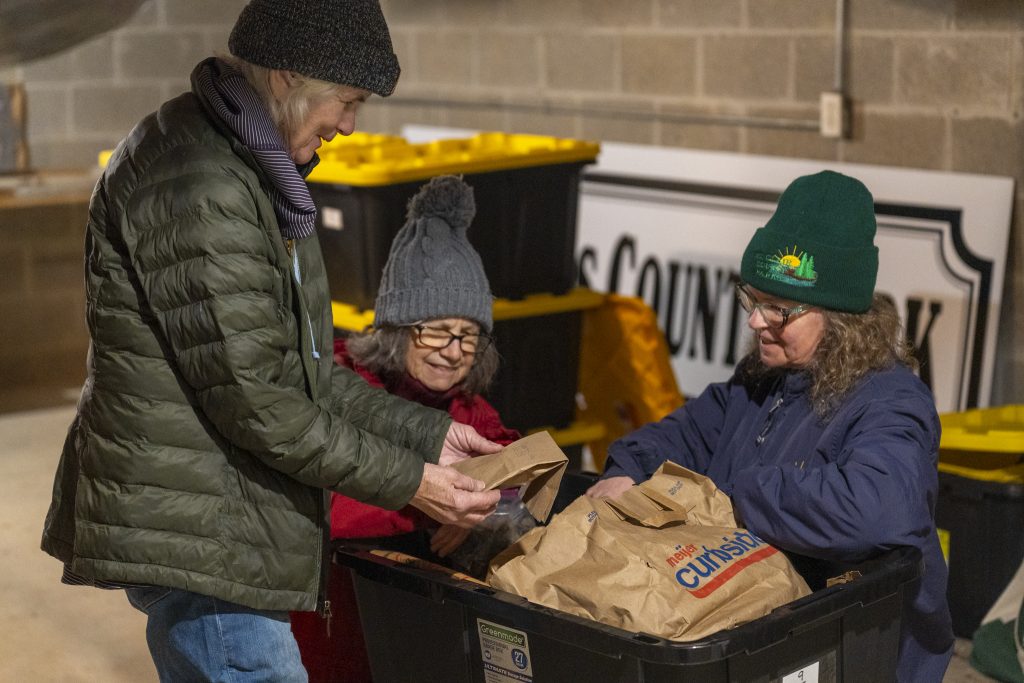
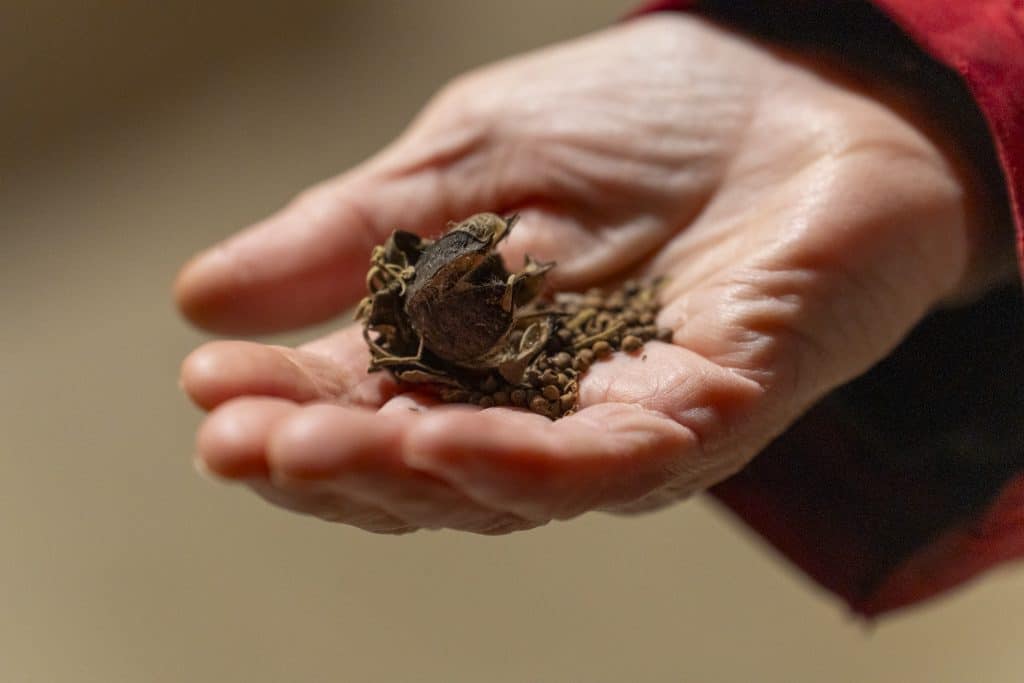
The educational aspect of working in gardens across the county has been the most impactful part of all this, Mackay says.
“I’ll be working in a bed, and they’ll comment on something that they like or ask questions about it, and I have the opportunity to say, ‘everything in this bed is a plant that’s native to Michigan,’ tell them about it, how it’s beneficial, and they become interested,” Mackay says.
Why Native Plants are Important and Mackay’s Future Plans
Michigan has over 600 native plant species, from Oak Trees to Purple Coneflowers, that serve as food and habitat for insects, birds, and small mammals. Native plants are also vital to human health by protecting people from infectious diseases and chronic health conditions.
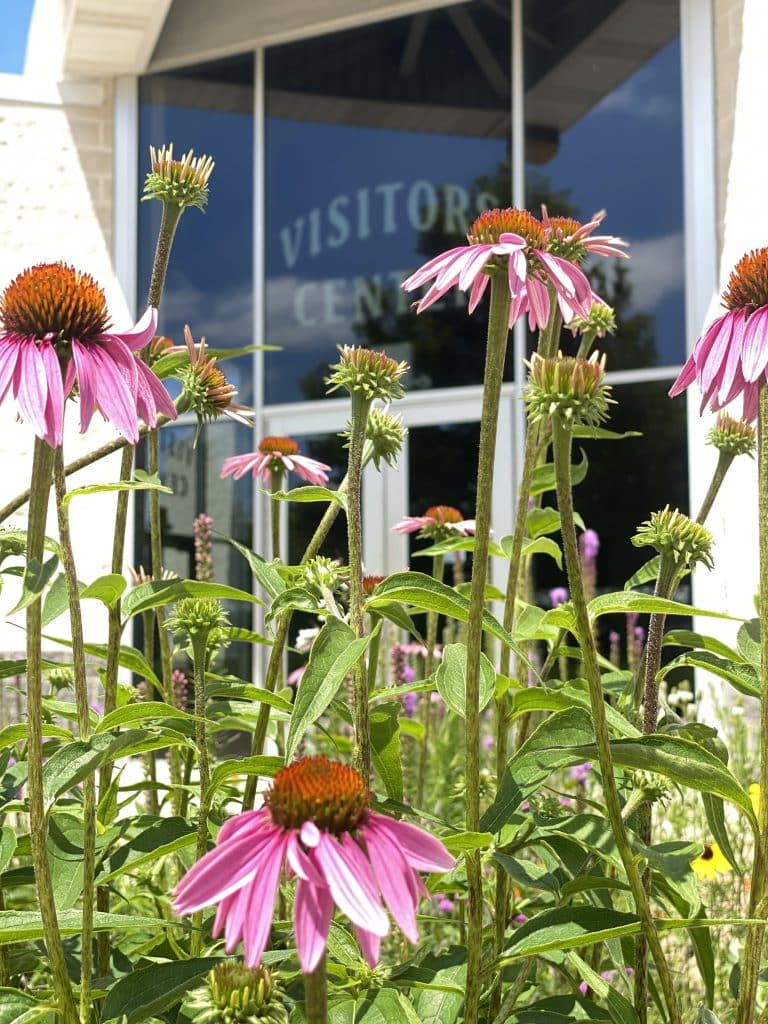
In many communities, including St. Clair County, the planting of trees, shrubs, and other plants, such as Japanese Honeysuckle, was done simply because people loved them. This beloved, and deliciously scented shrub, and others like Barberries, are not native to Michigan and are often invasive.
“[Honeysuckle] are invasive because they don’t have natural enemies, like insects that keep things in check,” Mackay says. “They also have an advantage because they will leaf out earlier and keep growing later in the season.”
This overgrowth allows mice, who are often carriers of ticks that may have Lyme Disease, to nest in them. Michigan alone has seen a 168% increase in Lyme Disease cases over the last five years, so this is a major concern.
Another non-native plant raising concern for Mackay is the Bradford Pear, which has been banned in three states because of its harmful impacts on native ecosystems. In Port Huron, many of the Oak trees are old and being cut down, and they aren’t being replaced. If they are, it’s often with a Bradford Pear.
Mackay says that Oak Trees are among the best native plants because they support many native species, including pollinators like bumblebees and the Mourning Cloak.
“The food web starts with plants, but the next thing in the food web is insects, and if they don’t have the plants that their caterpillars or things in the larva stage can eat, then you have no pollinators,” Mackay says.
Without pollinators, the world would lose significant amounts of food crops like fruits, vegetables, and nuts. Mackay recommends planting dill or parsley to support local pollinators like the Black Swallowtail. She says it’s good for people to do their own research, too.
Mackay plans to continue working in the gardens at Pine River Elementary and Goodells and hopes to see more people volunteer at the county parks.
“There is no act too small,” she says.
Author

Related Articles
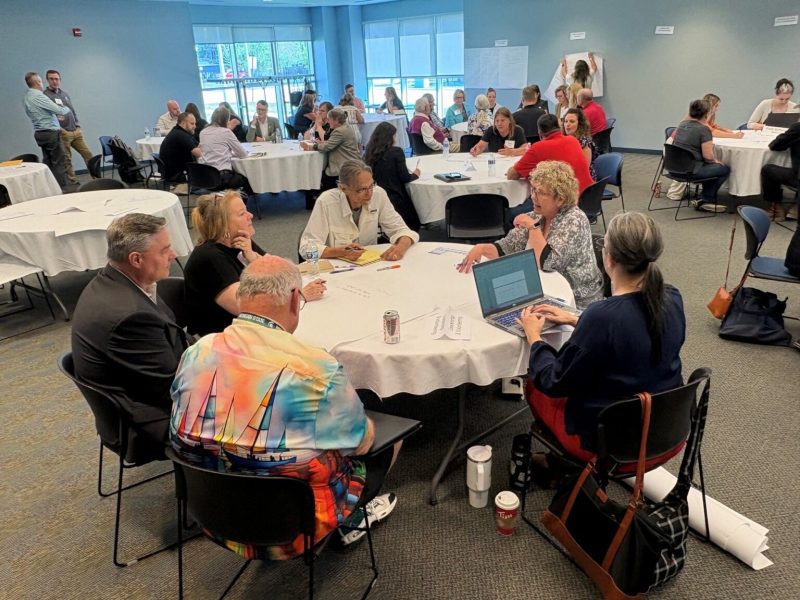
Partner Partner Content Rural & Small Town Summit brings leaders together around shared priorities
Township supervisors, clerks, and elected officials came together to share ideas, identify gaps, and explore opportunities that could help rural communities thrive together rather than tackle issues alone.
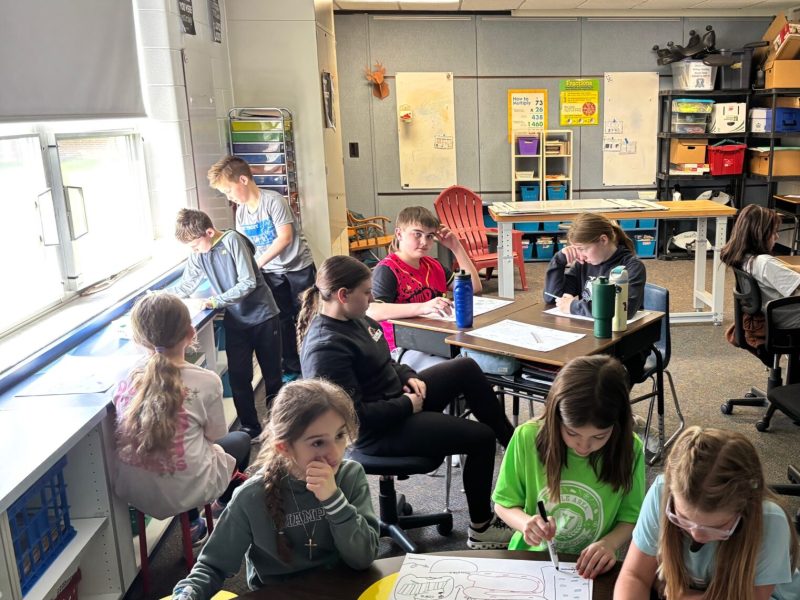
Partner Partner Content Community comes together to build new KaBOOM! playground in Emmett Township
Emmett Township is building a brand-new, playground designed by elementary school students. Their visions included adventurous elements like ziplines, tunnels, and imaginative play spaces.
Kinzer Family Farm offers a quiet, inclusive getaway in Yale
This family-owned farm is a place where families, especially those who may not feel comfortable in public spaces, can spend time outdoors on their own terms.


