
New Bill proposed to increase funding for Recovery Community Organizations; BWROC urges action
As RCOs size, scope, and numbers grow, so do their operating expenses. State and RCO leaders hope to provide greater funding support through Michigan House Bill 5302.
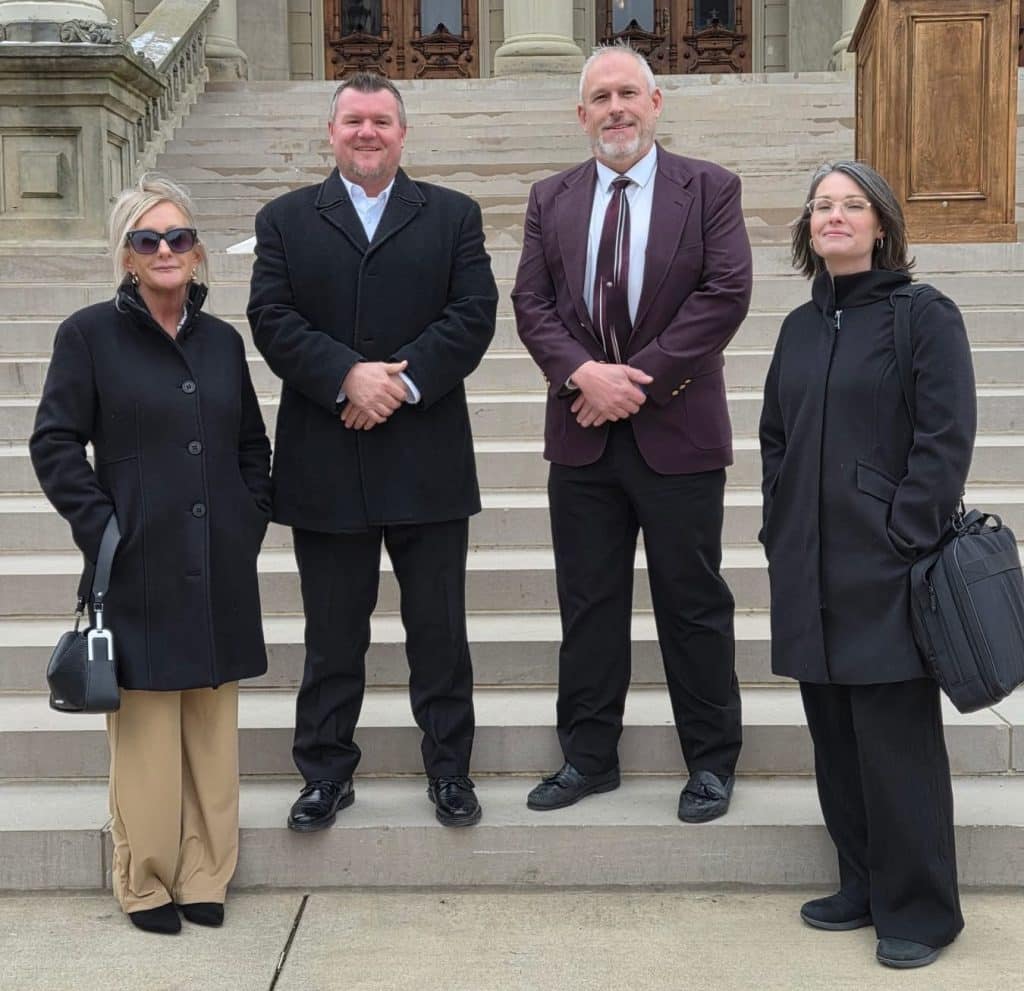
In 2019 and the early years of Blue Water Recovery and Outreach Center (BWROC), the fledgling recovery community organization (RCO) was spearheaded by volunteers who met in church basements to plan sober social events for people recovering from substance use disorder (SUD).
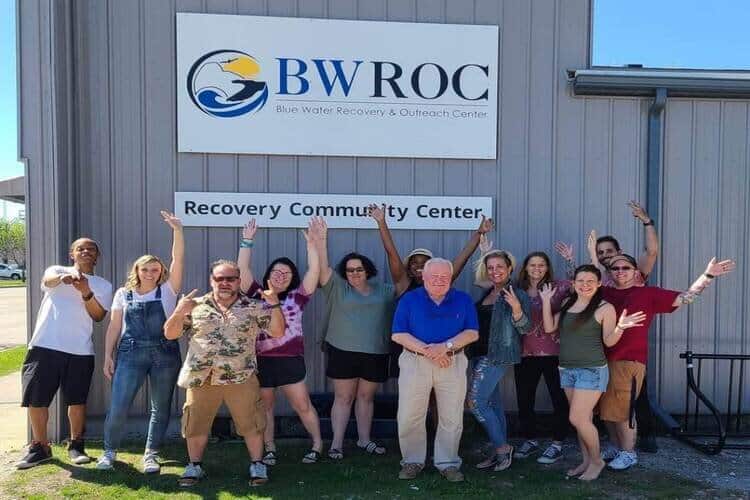
Now, the RCO has its own building on 10th Street in Port Huron with nearly a dozen staff comprised of administration, transportation coordinators and peer recovery coaches. They also have community partnerships with St. Clair County Community Mental Health (SCCCMH), St. Clair County Recovery Court, local treatment centers, sober housing, and more.
As the organization has grown, so have its operating expenses. That’s why Rep. Jay DeBoyer, R-Clay Township, and Michigan RCO leaders introduced House Bill 5302. This bill could greatly increase the amount of funding RCOs can receive from the state.
“We spend tremendous amounts of money on treatment, which is great to get people sober, but the key is keeping them sober,” DeBoyer says. “So that’s where recovery community organizations are the most important.”
What’s in the bill?
House Bill 5302 revises an existing grant funding program by increasing the amount RCOs may receive from state grants from $150,000 to $250,000 per organization.
“(The bill) will make a huge difference for all of our RCOs,” says Matt Hill, executive director of the Michigan Association of Recovery Community Organizations (MARCO). “It will give them more opportunity to increase service capacity for services that they offer currently and that they know are working and needed in the community.”
The bill adds language to the existing grant program that limits total funding amount to 50% of an organization’s prior-year operating budget, which protects RCOs by encouraging them to diversify funding sources, says BWROC executive director Patrick Patterson.
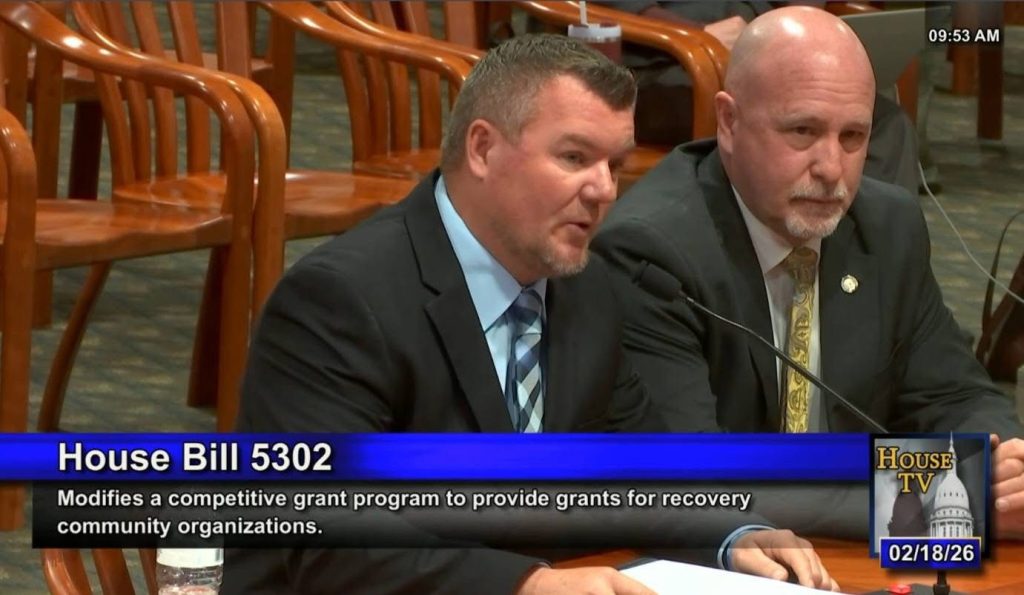
The bill also removes the current code’s “competitive” grant requirement, allowing RCOs to apply for multi-year grants. This would reduce funding gaps, which often happens when there is a gap between when the state budget is passed and when the Department of Health and Human Services implements the grant, Hill says.
Under the bill’s revised language, in order for RCOs to be eligible for grant funding, they must be certified by a nonprofit certifying body like MARCO. This ensures RCOs operate best practices, including an executive board that represents the community they serve, multiple pathways to recovery, and services rooted in peer support, Hill says.
Once approved by the Health Policy Committee, the bill will go to the Senate and the Governor’s desk to be signed into law. DeBoyer says he hopes to have the bill passed by the state’s budget deadline this summer. It’s drawn broad bipartisan support so far, he says.
If passed, the bill would increase state spending from about $1.2 million to $5 million. DeBoyer says the grant program would be funded by state settlement dollars from lawsuits against prescription drug manufacturers.
What do RCOs do and why do they need more funding?
RCOs provide peer-to-peer support for people entering treatment and in long-term recovery from substance use disorder (SUD) through mentorship, coaching, support groups, and social events.
As RCOs have grown, they’ve also added services such as transportation to treatment centers and recovery-related appointments, connections to other community resources like sober and halfway housing, job support, and treatment navigation.
Patterson and Hill say that in the past decade, RCOs have grown tremendously in their services, the populations served, and the role in the treatment and recovery ecosystem. The number of RCOs in the state has also grown tremendously. Therefore, they need more funding than in years past to operate.
“We are a central navigation system now where we weren’t before. We’re viewed as the first line where somebody goes to when they need support, and then after they leave rehab, this is the first stop that they come to,” Patterson says. “That’s why we need more funding. The services that we offer have doubled. The people that we’re serving have tripled. So, peer-to-peer support is making its way into being a really big, important role in somebody’s long-term recovery.”
Patterson says funding BWROC is a challenge, and the sunsetting of the COVID-19-pandemic-era American Rescue Plan Act (ARPA) dollars last year made funding even more difficult.
As they’ve grown, RCOs have also worked with more community organizations, including county drug courts, treatment centers, housing programs, emergency rooms, and even employers.
RCOs have also partnered with Prepaid Inpatient Health Plans – Michigan’s Medicaid behavioral health and SUD services – and county Community Mental Health organizations. But, due to their non-clinical nature, RCOs often lack the funds other PIHPs’ partners usually have access to. This bill would increase funding to address that gap, Hill says.
Often called a “disease of despair,” addiction thrives when people feel isolated and hopeless. RCOs combat those negative emotions by providing meaningful social connections with people with similar lived experiences, Patterson says.
“We’re in the aftermath of war on addiction, and so the RCO is the modern-day version of a VFW hall,” Patterson says. “We need people to share their addiction stories. It becomes a healing agent.”
How can I get help for myself or a loved one?
There are many treatment and recovery resources available in St. Clair County:
- Call BWROC at (810) 689 – 4858, email them at contact@bwroc.org, visit their website. Follow their Facebook for advocacy, news, and events
- For those experiencing a mental health or SUD-related crisis, call SCCMH’s mobile crisis unit at (810) 966 – 2575 for in-person support
- For immediate support, call or text the 24/7 Suicide & Crisis Lifeline at 988
- Contact Port Huron Odyssey House at (810) 238 – 5888 for recovery housing, outpatient services, and community supports
- Visit Sacred Heart’s website for recovery housing, outpatient services, and treatment centers in Port Huron and Richmond
- For access to mental health and/or SUD services, call SCCCMH’s access center at (810) 488 – 8888
Author
Related Articles
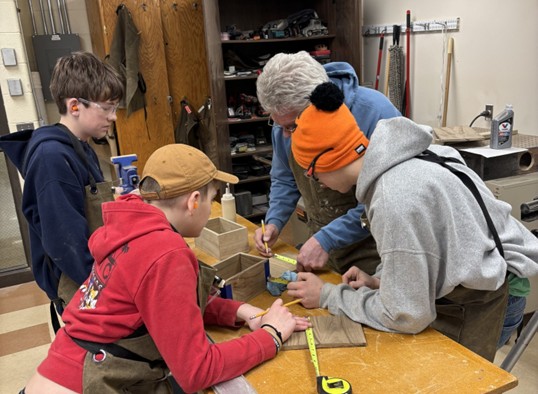
Partner Partner Content SONS expands “Your Future Now” program with Community Foundation support
“It’s really important to support educational routes that are not just paper and pencil but truly get students excited to learn through hands-on learning and training. College isn’t necessarily the route for every student, and that’s completely okay thanks to programs such as SONS Your Future Now.”
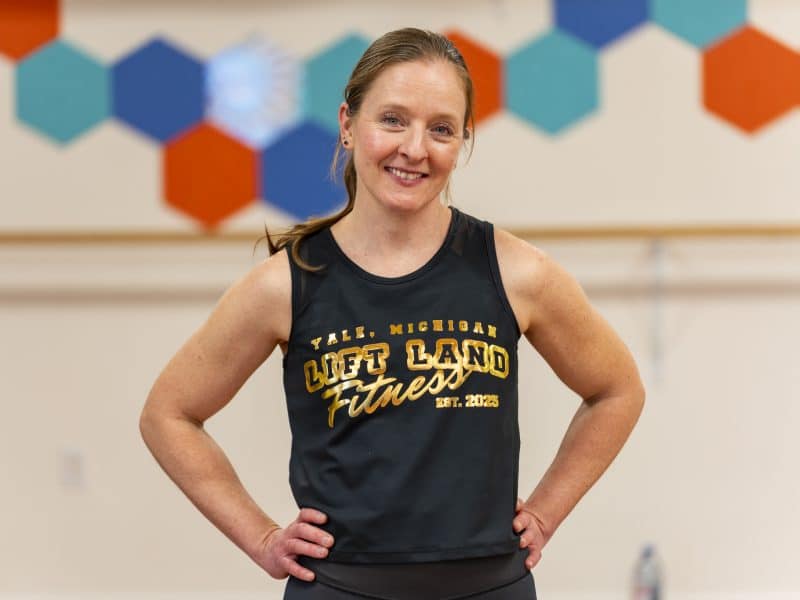
More Than a Gym: Lift Land Fitness builds community in Yale
Located in the small rural community of Yale, Lift Land Fitness offers a wide range of classes. But the owner says the goal has always been more than exercise.
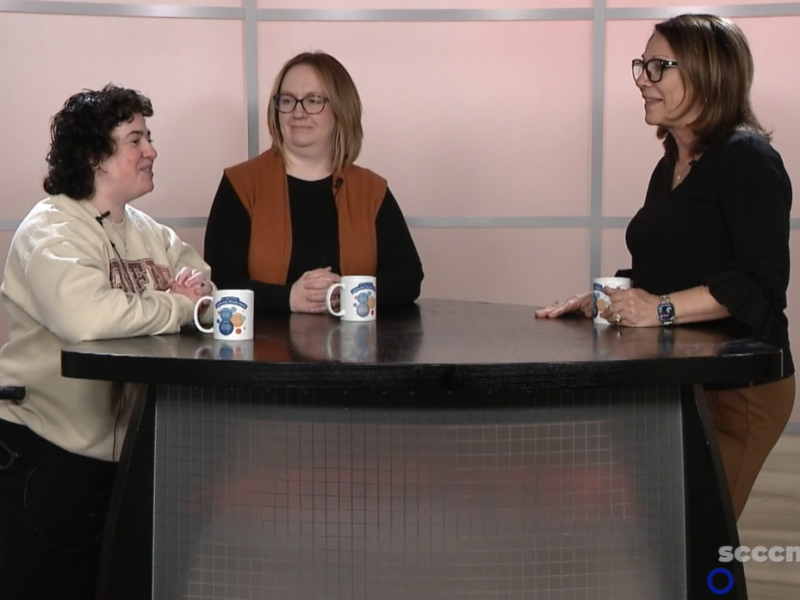
Partner Partner Content More Than Awareness: What inclusion really means and why it matters to all of us
When communities commit to inclusion, people with developmental disabilities experience greater independence, improved mental health, and stronger social connections.


