
Partner Partner Content Recovery: A journey as unique as every individual
When people hear the word recovery, they often imagine a single, fixed path, a moment when someone “gets better” and their journey is complete. But in reality, recovery from mental health or substance use challenges is not a one-size-fits-all process
When people hear the word recovery, they often imagine a single, fixed path, a moment when someone “gets better” and their journey is complete. But in reality, recovery from mental health or substance use challenges is not a one-size-fits-all process. It’s a deeply personal journey, shaped by each person’s experiences, strengths, culture, and goals.
At St. Clair County Community Mental Health (SCCCMH), we’ve seen firsthand that recovery isn’t about returning to the way things were before a challenge began. It’s about moving forward, creating a meaningful, fulfilling, and connected life.
What Recovery Really Means
The Substance Abuse and Mental Health Services Administration (SAMHSA) defines recovery as a “process of change through which individuals improve their health and wellness, live a self-directed life, and strive to reach their full potential.” That means it’s not just about symptoms or diagnoses; it’s about the whole person.
Recovery can involve:
- Managing symptoms or substance use in a way that supports daily living.
- Building or rebuilding supportive relationships.
- Finding purpose through work, volunteering, or creative expression.
- Strengthening physical health alongside mental health.
As Deb Johnson, CEO of SCCCMH, explains, “Recovery isn’t a straight line, and it’s not the same for everyone. Our role is to meet people where they are, help them identify their goals, and walk alongside them as they work toward those goals.”
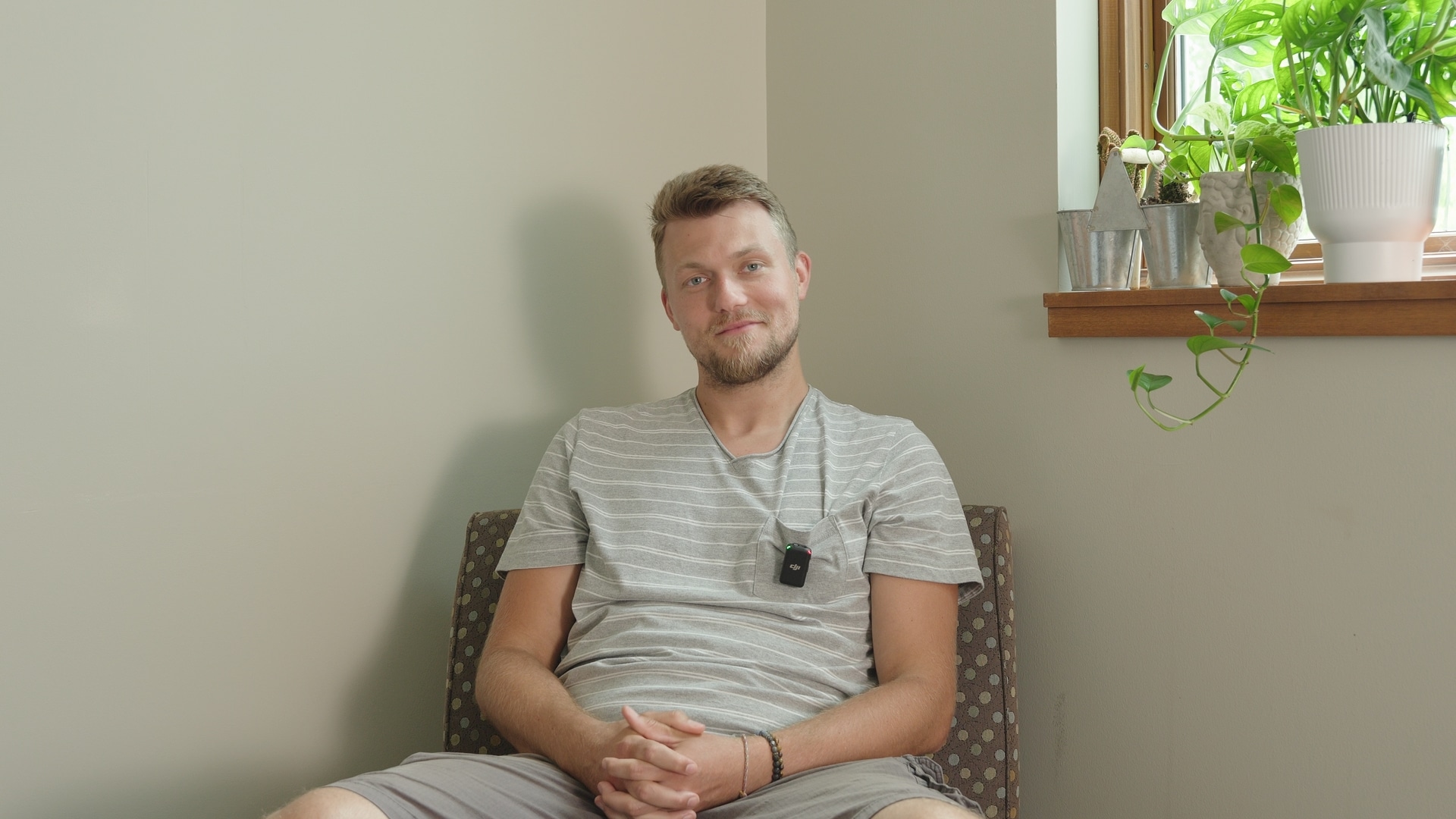
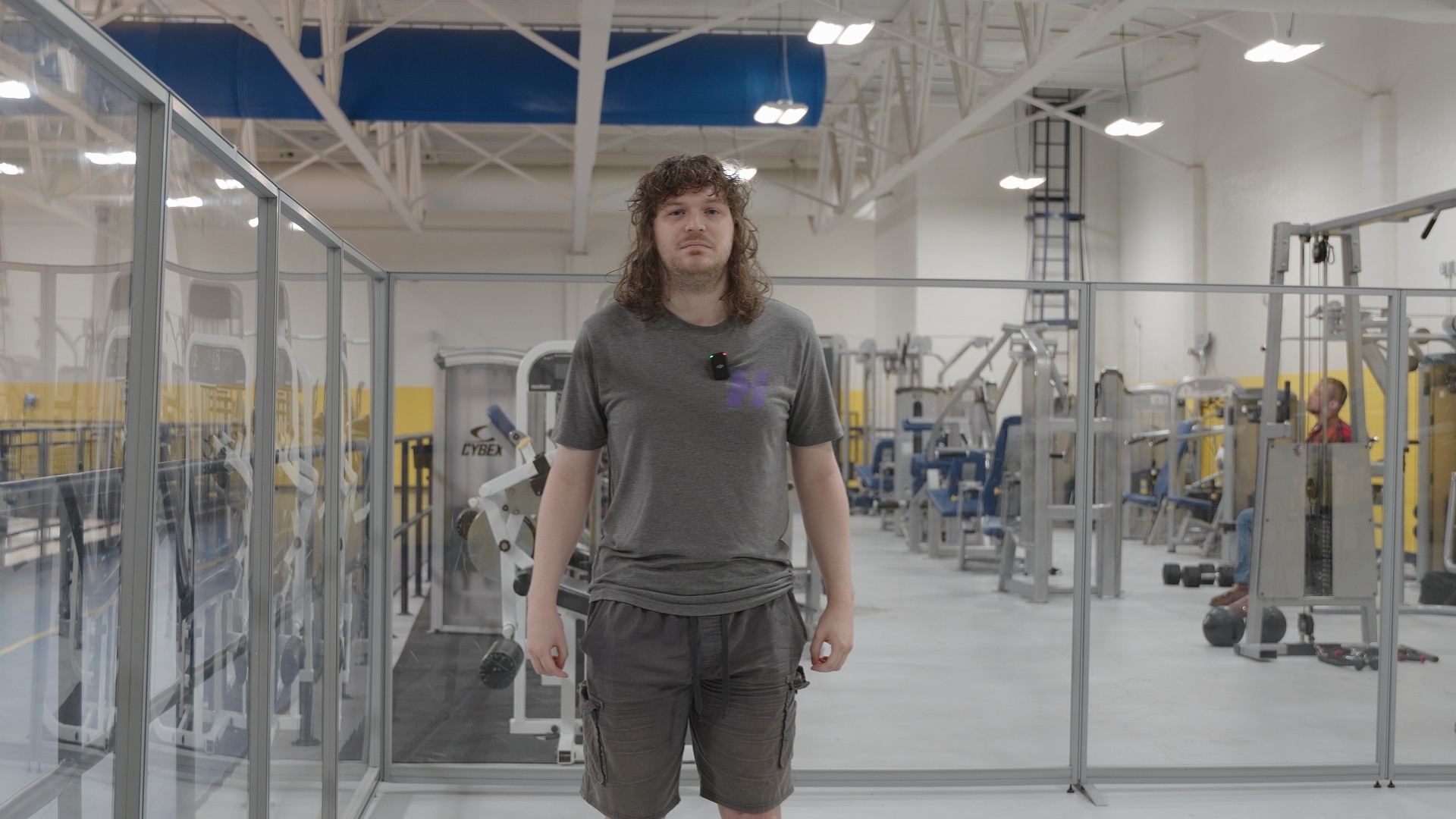
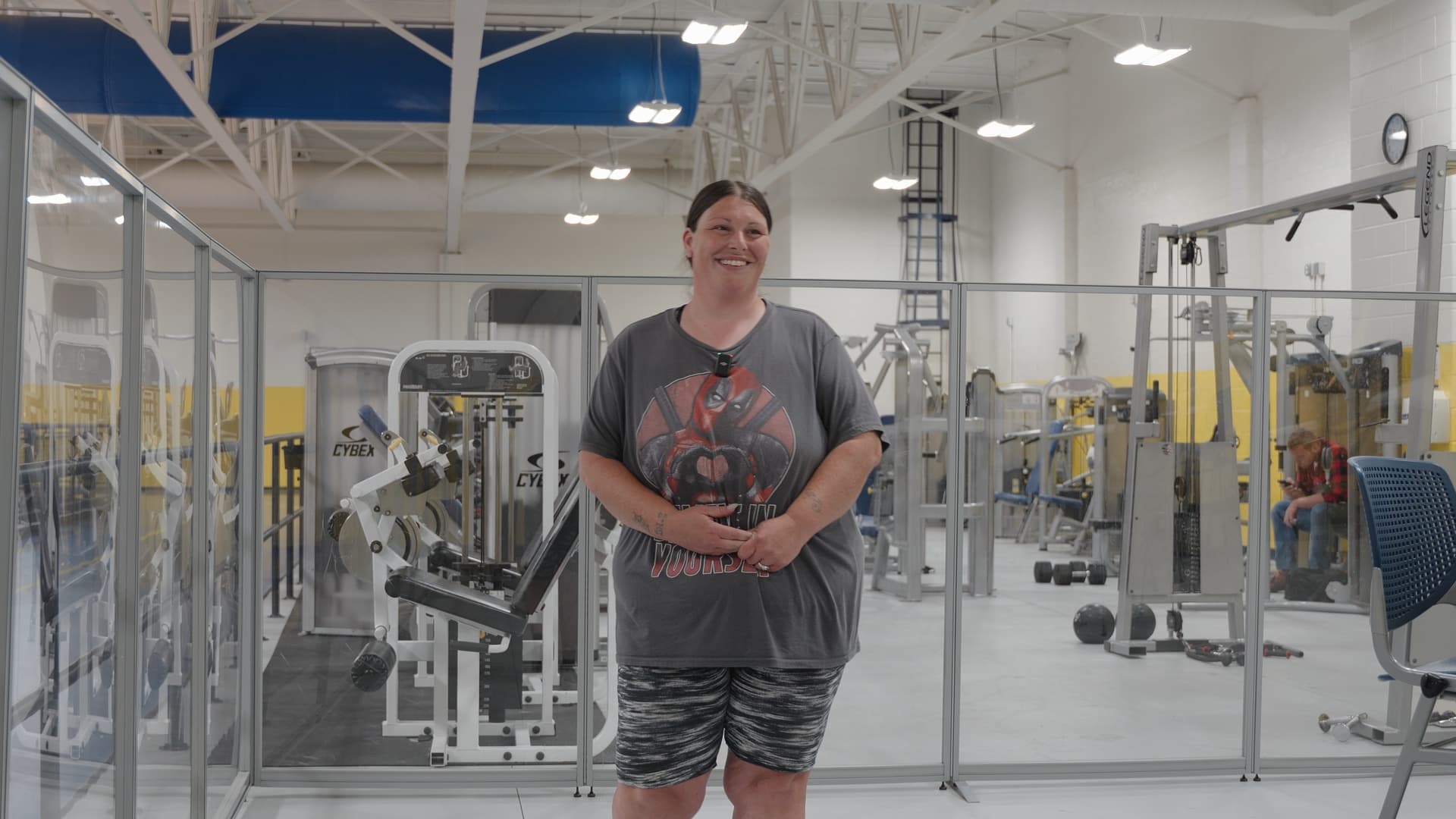
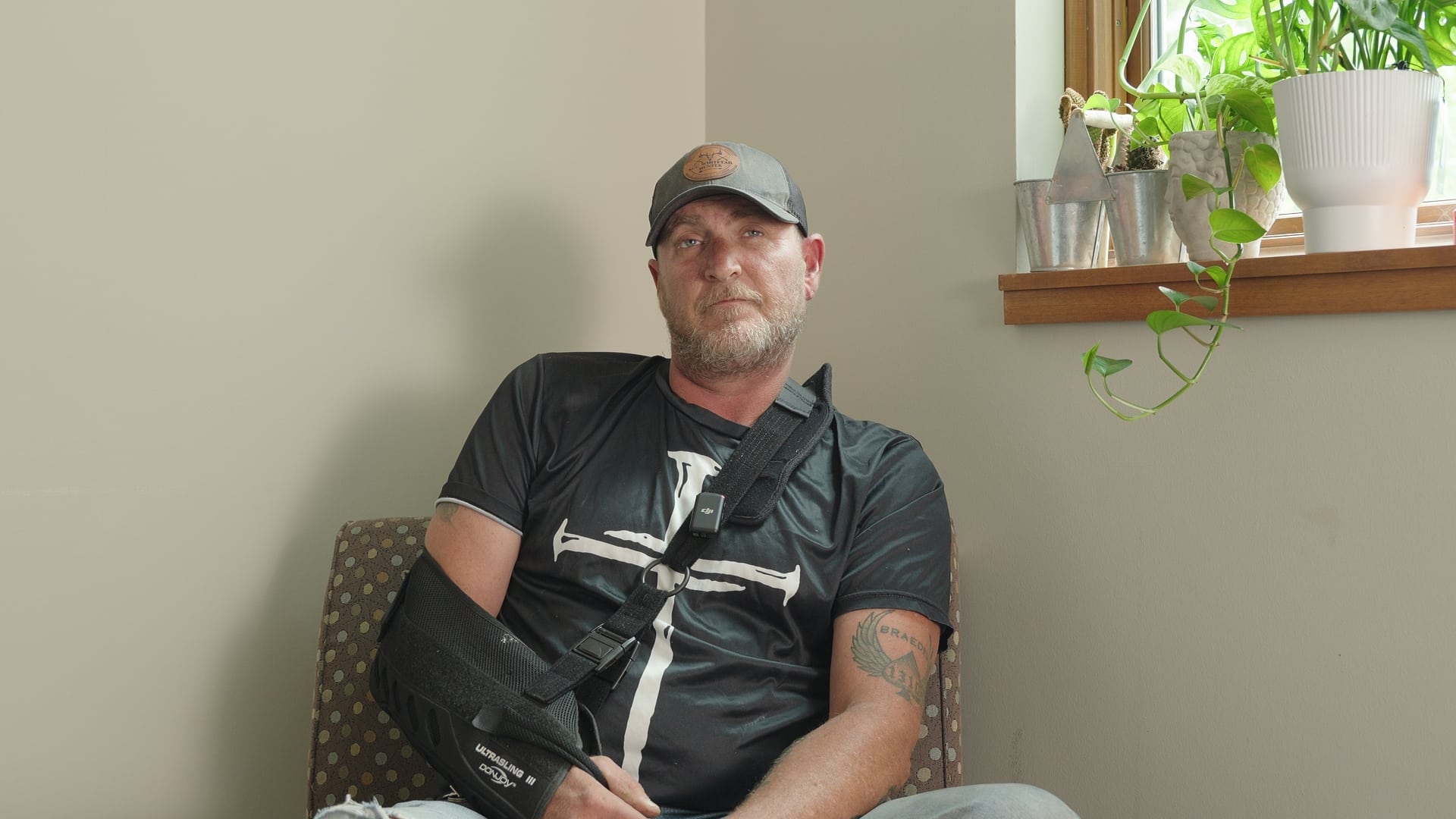
For many, this support begins early. “I’ve been in services since I was 10 years old, shared Steven, an individual receiving services at SCCCMH. “It has helped me tremendously in my life. I got a lot of insight with the services that I’ve had an by having supportive people since I was a little kid.”
Recovery Across the Lifespan
One of the most important things about recovery is that it changes over time.
Youth and Young Adults: For teens and young adults, recovery might mean learning coping skills, navigating school or early career challenges, and building a support network outside of their family. Early intervention can be especially powerful, helping young people avoid long-term impacts and develop lifelong resilience.
Adults in Mid-Life: Adults often balance multiple roles—work, parenting, and caring for aging relatives—while managing their own health and well-being. Recovery at this stage may focus on managing stress, strengthening relationships, or making career or lifestyle changes that support mental wellness.
Older Adults: Later in life, recovery may involve adapting to changes in health, addressing grief and loss, and finding new ways to stay engaged in community life. Social connection and purpose are often key factors in maintaining wellness.
As Chad, another individual served, put it: “Life is not easy. It can be complicated, and knowing that CMH is going to answer the call or that they’re going to accommodate you gives you a sense of reassurance that you have people in your corner.”
The Role of Community in Recovery
Recovery is rarely achieved alone. Friends, family, coworkers, neighbors, and service providers all play a role in creating an environment where recovery is possible. That might mean offering emotional support, reducing stigma, or connecting someone to professional help.
SCCCMH works closely with local partners to ensure that recovery resources are available and inclusive. Peer support specialists, individuals with lived experience of recovery, often play a critical role, showing others that a fulfilling life is possible.
“Sometimes the most powerful thing you can say to someone is, ‘I’ve been there, and I believe you can get through this,’” said Kathleen Gallagher, Chief Clinical Officer at St. Clair County Community Mental Health.
For Sabrina, this support meant regaining her strength: “I was able to get my fight back to take back my life from anxiety, to find programs, services, and people that actually cared to help.”
A Holistic Approach
At SCCCMH, recovery services go beyond therapy or medication. We support people finding safe housing, gaining employment skills, improving physical health, and participating in community activities, all of which are critical to sustained wellness.
This whole-person approach recognizes that mental health and substance use recovery are deeply interconnected with other parts of life. Addressing one without the other can leave important needs unmet.
Zylia, who has grown through her involvement with SCCCMH, reflected: “I got more involved in the community and blossomed because of CMH. It made me grow into a person that I actually feel like I can be, instead of the person that my brain wants to be.”
As Johnson notes, “Recovery is about so much more than symptom management. It’s about building a life that feels worth living and that looks different for each person.”
Hope at Every Stage
Whether recovery is just beginning or has been part of someone’s life for decades, there’s always room for growth and change. Setbacks may occur, but those are part of the process, not the end of the journey.
Getting Support
If you or someone you know is navigating a mental health or substance use challenge, know that help is available and recovery is possible. St. Clair County Community Mental Health offers services for people of all ages, and our team is here to help you take the next step toward wellness.
For more information, visit scccmh.org. If you need emergency behavioral health services, contact our Mobile Crisis Unit at 810-966-2575.
Related Articles
More Than a Gym: Lift Land Fitness builds community in Yale
Located in the small rural community of Yale, Lift Land Fitness offers a wide range of classes. But the owner says the goal has always been more than exercise.
Partner Partner Content More Than Awareness: What inclusion really means and why it matters to all of us
When communities commit to inclusion, people with developmental disabilities experience greater independence, improved mental health, and stronger social connections.
When everyone is welcome: How Michigan’s CCBHCs are changing care
CCBHCs have been improving access to quality mental health care for Michigan residents since 2021.


