
Partner Partner Content Stronger Together: Celebrating Community, Connection, and Care in St. Clair County
May is Mental Health Awareness Month and SCCCMH celebrated their annual awards with this year’s theme “Stronger Together: You Are Not Alone” highlighting individuals, families, partners, and staff who make up a system of care rooted in connection and community.
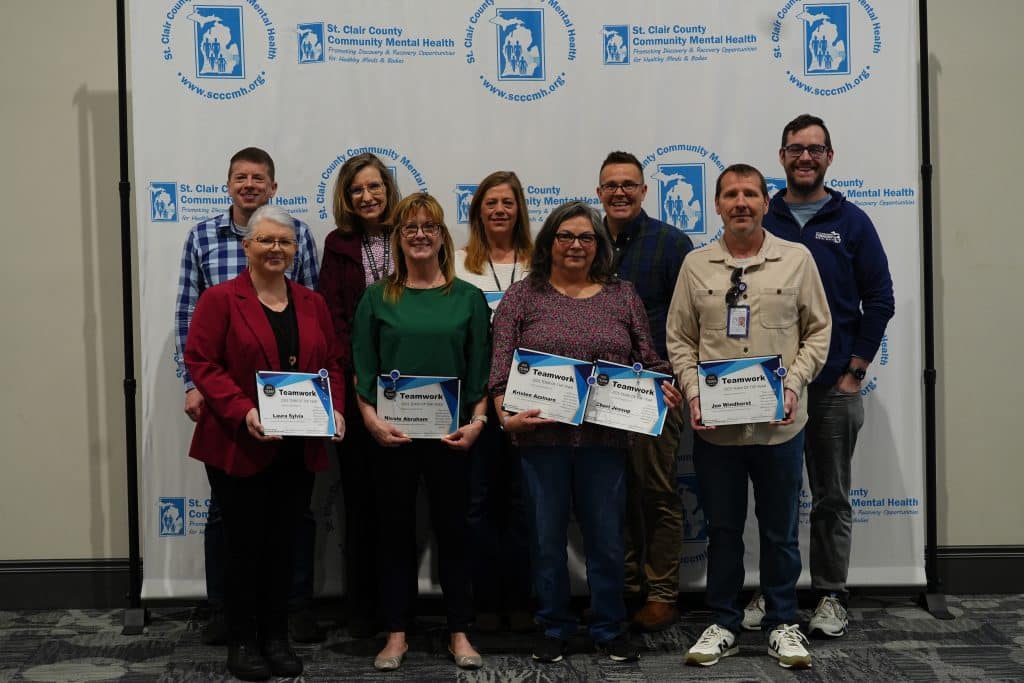
This story was provided by St. Clair County Community Mental Health.
Each year, St. Clair County Community Mental Health (SCCCMH) takes a moment to reflect, not just on numbers or programs, but on people. The individuals, families, partners, and staff who make up a system of care rooted in connection and community.
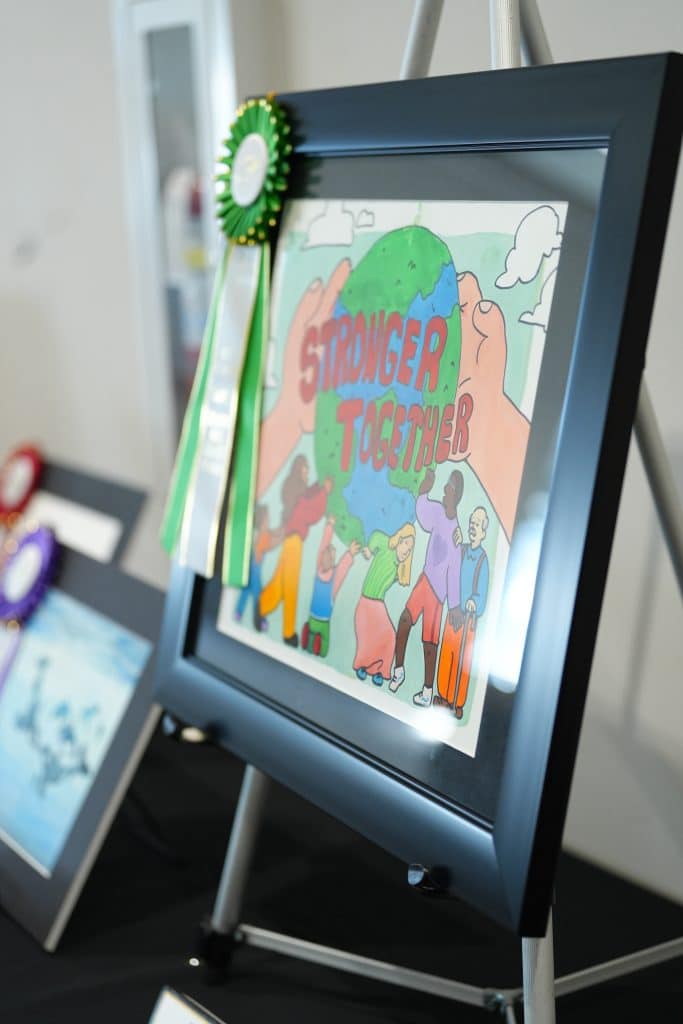
This year’s annual report, themed “Stronger Together: You Are Not Alone,” captures that idea clearly: meaningful mental health care doesn’t happen in isolation. It happens through relationships, local understanding, and a shared commitment to one another.
In May, during Mental Health Awareness Month, SCCCMH focused on this theme during its Annual Awards, where the theme came to life through the stories of those being recognized, individuals and organizations whose efforts strengthen the fabric of care across St. Clair County.
A Community Effort
Mental health care extends far beyond clinical settings. It shows up in classrooms, courtrooms, police departments, and everyday conversations. This year’s award recipients reflect that broad reach.
St. Clair County Sheriff Mat King, recipient of the Community Service Award, has demonstrated a strong commitment to collaboration between law enforcement and behavioral health. Through his support for initiatives like the Mobile Crisis Unit and his focus on training, his leadership has strengthened compassionate, informed responses to individuals in crisis.
That connection between systems – public safety and mental health – is just one example of how integrated partnerships create better outcomes for individuals and families.
Equally impactful is the role of local media in shaping how communities understand mental health. Matt Markham of Radio First, this year’s Communications Award recipient, has used his platform to elevate important conversations, highlighting resources, and supporting community initiatives. His work demonstrates how storytelling and awareness can reduce stigma and encourage people to seek help.
Strengthening Systems, Supporting Families
Some of the most transformative work happens behind the scenes, through partnerships designed to support families during their most challenging moments.
This year’s Organization Award recognizes the Early Childhood Court (ECC) team, a collaborative effort involving the St. Clair County Family Court, Michigan Department of Health and Human Services, SCCCMH, and other partners. Their work focuses on supporting families with young children involved in the child welfare system, prioritizing stability, connection, and long-term well-being.
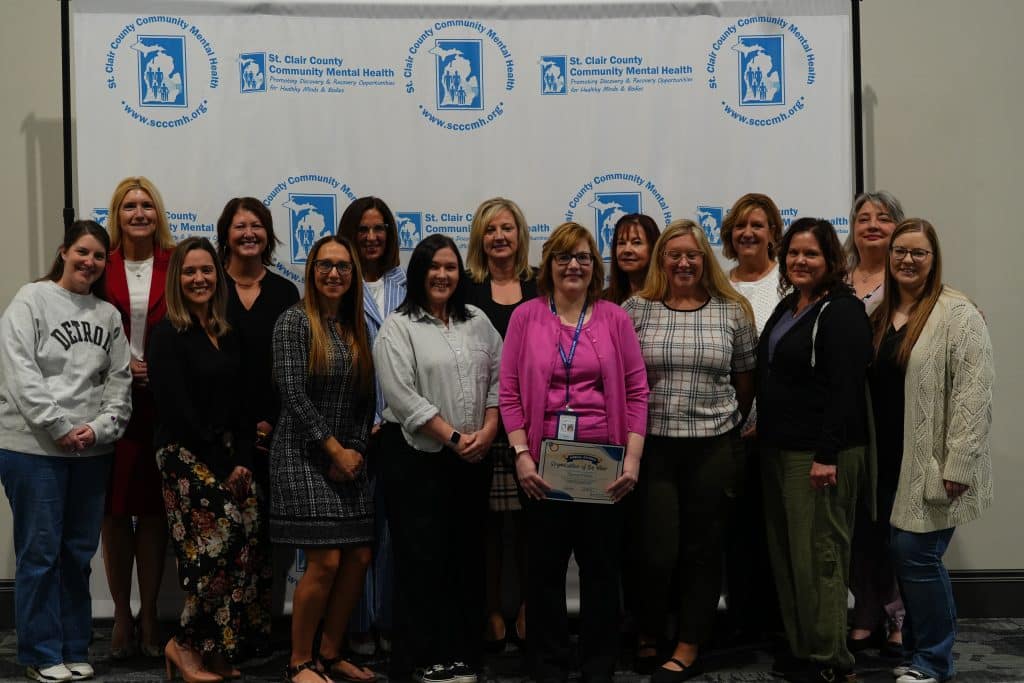
By creating trauma-informed, family-centered approaches, the ECC team is helping reshape how systems respond to the needs of children and caregivers. Their work reflects a larger truth highlighted throughout the annual report: when services are coordinated and relationships are prioritized, outcomes improve.
That same spirit of advocacy is reflected in this year’s Karen Cole Award recipients, Rick and Lori Ames. Through years of services and leadership, including time on SCCCMH’s Board of Directors and involvement in community advocacy, they have played a key role in expanding opportunities and strengthening systems of care in St. Clair County. Their commitment continues to influence meaningful, lasting change.
Youth Voices Leading the Way
One of the most powerful reminders of the future of mental health care comes from young people themselves.
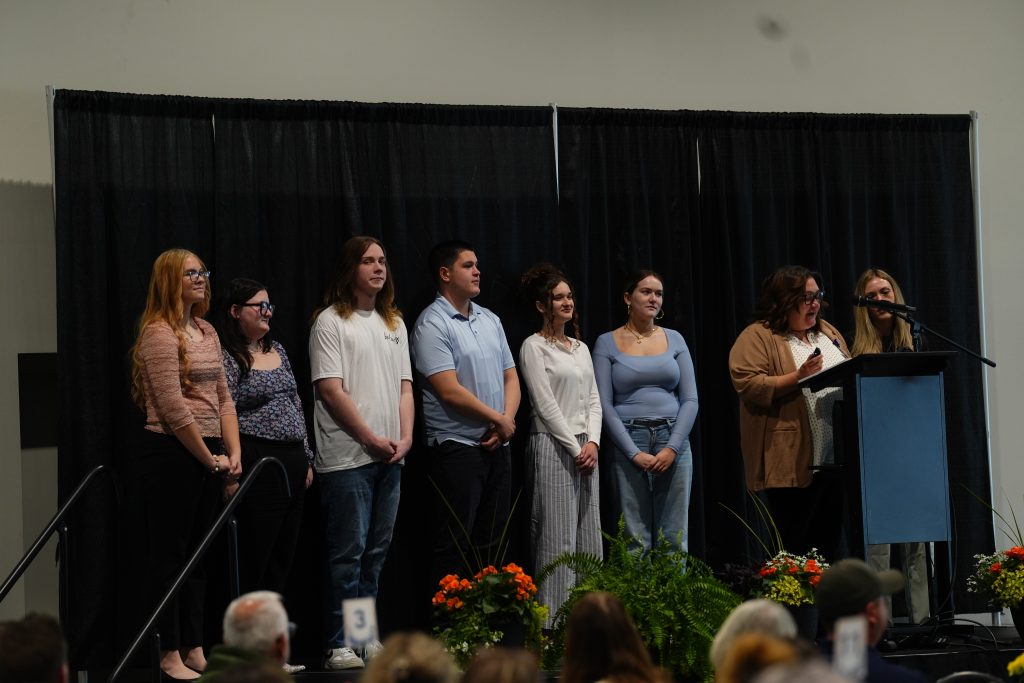
SCCCMH’s Teen Advisory Group (TAG), recognized with the Difference Maker Award, brings together students from across the county to promote mental wellness and reduce stigma among their peers. Through school-based outreach, social media efforts, and the development of a youth-led podcast, TAG members are helping shape conversations in ways that resonate with their generation.
Their work reflects a shift highlighted in this year’s annual report: mental health care is most effective when it includes the voices of those it serves. By creating space for youth leadership, SCCCMH is building a foundation for a more responsive and inclusive system moving forward.
Everyday Impact, Extraordinary Care
While many awards recognize community partnerships, others highlight the impact of individuals and teams working directly with those in need.
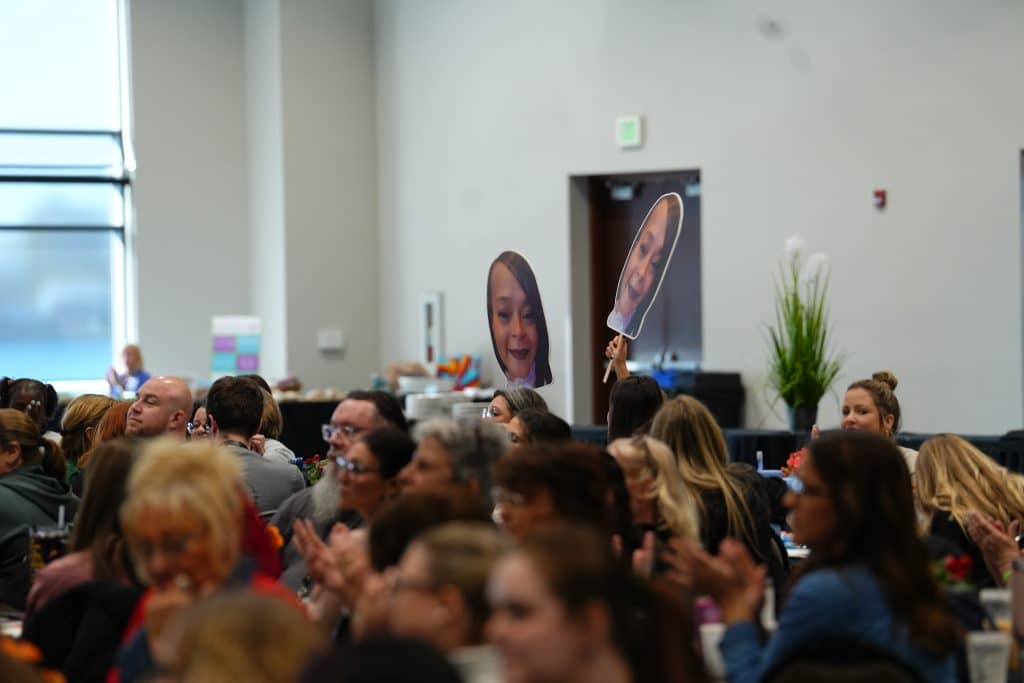
From the Collaborative Crisis Response Team – recognized for their coordinated efforts to support an individual experiencing homelessness during severe weather – to Employee of the Year Gloria Valentin, whose compassion and calm presence made a critical difference during a moment of crisis, these stories underscore the human side of mental health care.
They reflect what often goes unseen: the quiet, consistent work of showing up, listening, and responding with care.
Looking Ahead
The annual report also highlights broader trends and priorities shaping the future of behavioral health in St. Clair County. In the past year alone, SCCCMH served more than 7,200 individuals, with services ranging from outpatient care and case management to crisis response and substance use treatment.
Efforts to expand access, particularly in rural communities like Marine City and Capac, continue to address barriers such as transportation and availability of services. At the same time, new initiatives, including behavioral health urgent care and plans for a therapeutic group home for youth, reflect a commitment to meeting people where they are.
Underlying all of this work is a consistent message: care must be accessible, coordinated, and rooted in the community it serves.
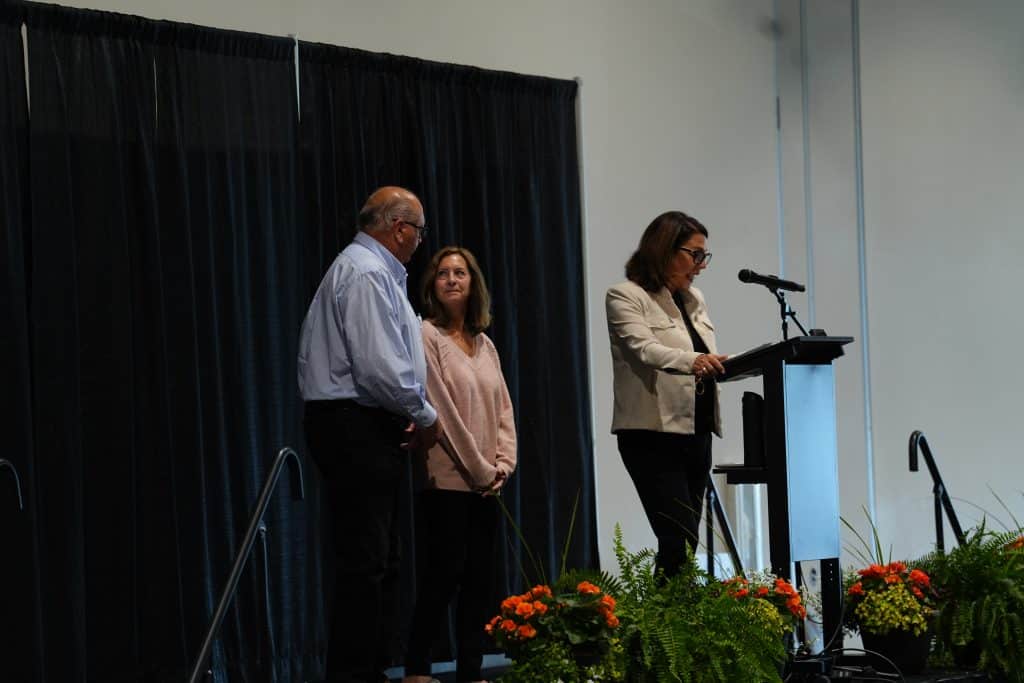
Stronger Together
As SCCCMH celebrates its award recipients and reflects on the past year, one theme stands out above all others—connection.
Whether it’s a law enforcement officer responding with compassion, a student speaking up about mental health, a clinician supporting someone through recovery, or a community partner creating new opportunities for care, each plays a role in building a stronger system.
Because in St. Clair County, mental health care is not just a service. It’s a shared responsibility.
And together, we are stronger.
Related Articles
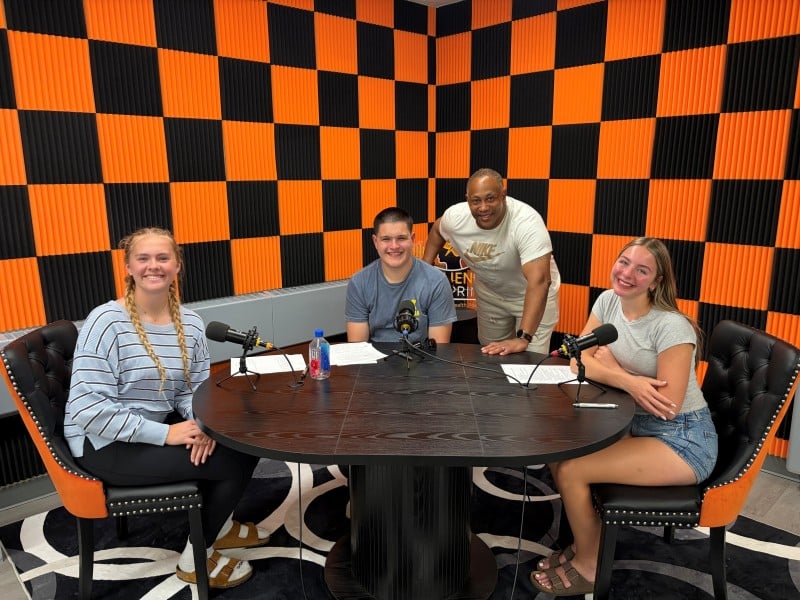
Partner Partner Content How St. Clair County Community Mental Health’s Teen Advisory Group is Giving Young People a Voice – and Launching a New Conversation About Mental Health
The Resilience Blueprint, created by teens, for teens, is a podcast that will explore the real conversations young people want to have about mental health, resilience, and the everyday challenges they face.
Blue Water Area disability services, resources pave way for independence, confidence in community
Local and regional resources, programs and organizations exist to embrace uniqueness and varying abilities — to overcome barriers and achieve personal and professional goals for folks with disabilities and their families.
The people behind the system: How community boards shape mental health care
Community mental health boards play a critical role in designing, funding, and delivering mental health services.


