
Transportation: An overlooked barrier to mental health care
Collaboration ensures Allegan County residents get mental health care when they need it.
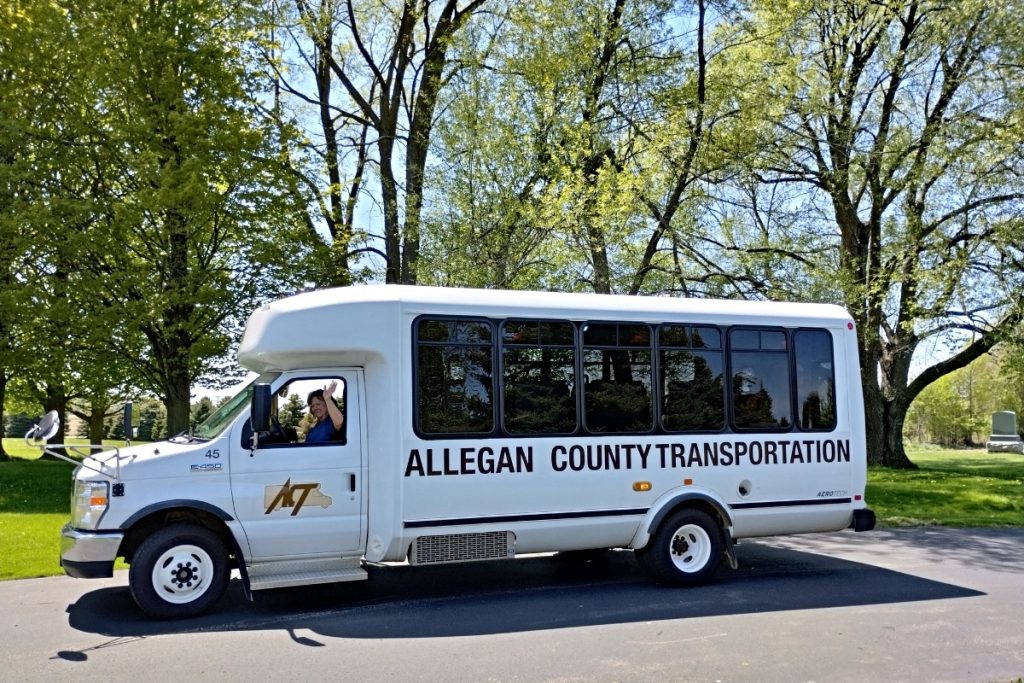
How to get to work? The grocery store? Medical appointments? For many people, those are serious concerns. University of Michigan researchers found that nearly one in five adults in the U.S. lacks access to reliable transportation, making it one of the country’s most common barrier to mental health care.
In 2024, the Michigan Department of Labor and Economic Opportunity (LEO) surveyed all 16 Michigan Works! locations on behalf of the Michigan Workforce Development Board. In every region of the state, transportation emerged as the most serious barrier to participating in the workforce.
To put it into a different perspective, a new study published in Social Indicators Research indicates that 19% of adults experienced transportation issues in the past month compared with 16% who experienced food insecurity, 13% with unmet medical needs, 9% with housing insecurity, 7% facing difficulty paying bills, and 4% with utility shutoffs.
Thankfully, local people and agencies are stepping up to change those statistics. Between July and December 2025, Allegan County Transportation (ACT), a countywide public transit provider available to all residents in Allegan County, provided 1,284 known trips for mental health access.
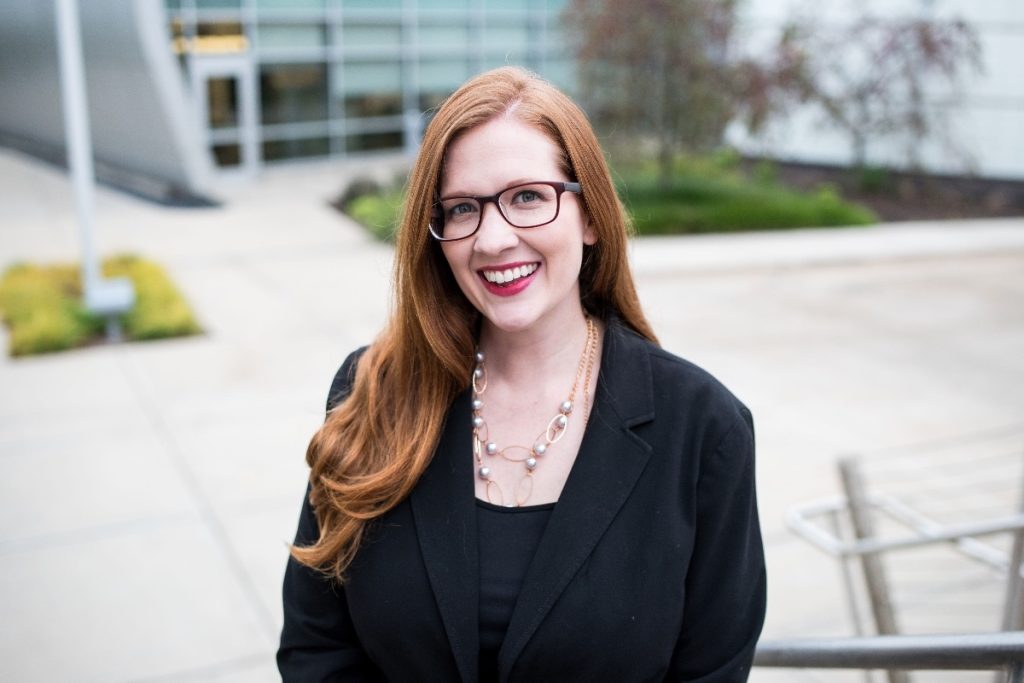
Allegan County’s public transit system
ACT began in 1999 with a small grant to begin a job-access program. Several years later, the county transitioned to offering specialized transportation services for seniors and individuals with disabilities and was contracting with several human services agencies to provide transportation. Today, ACT continues to provide reservation-based bus service for medical appointments, grocery shopping, and employment in addition to other travel reasons.
“Allegan County Transportation has been a proud partner with OnPoint, Allegan County’s Community Mental Health (CMH) agency, since the beginning stages of the county’s transit program,” says Whitney Ehresman, transportation director for Allegan County. “In the early days, some of the biggest proponents of public transit were key staff members at the CMH, who recognized the importance of having access to mental health care for residents.”
In 2022, a Tax Limit Restoration enabled ACT to expand services countywide, ensuring even the most rural areas of the county had equal access to transit. Since expanding services, ACT has been able to fully utilize its fleet of 28 vehicles and has increased hours of operation. Out-of-county travel is also available for seniors and individuals with disabilities seeking care in other cities such as Holland, Grand Rapids, and Kalamazoo.
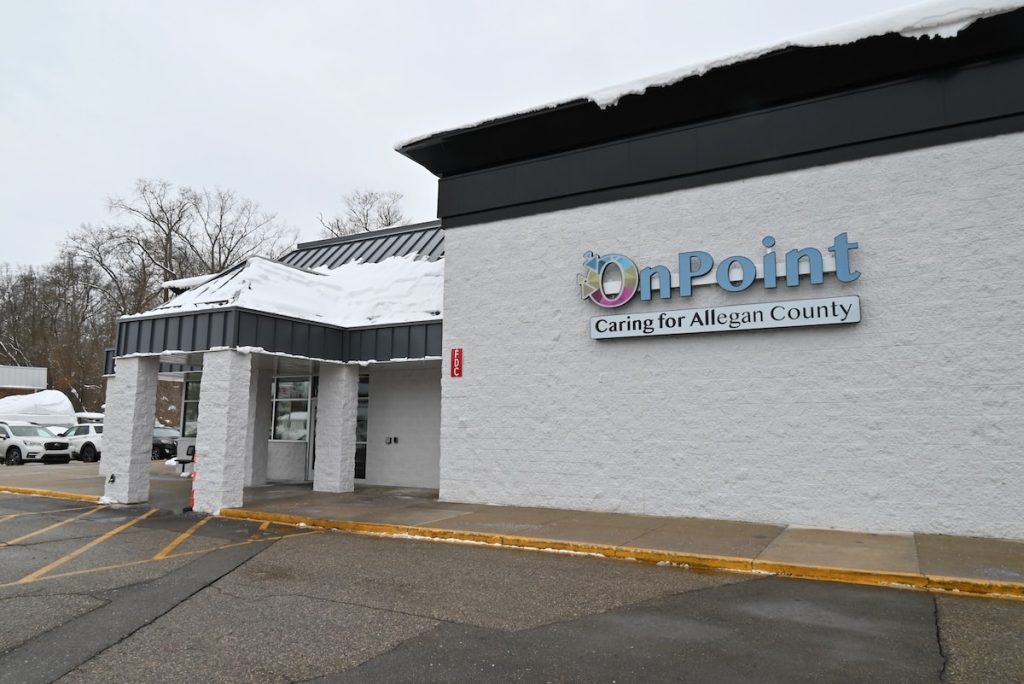
In 2025, Allegan County also created a transit fare buffer zone in a portion of Holland, which is in adjacent Ottawa County. This enables more individuals to access the OnPoint drop-in center as an additional option for mental health support. Individuals traveling to or from this buffer zone pay a lower fare.
“For many years, there was a common misconception that ACT services were available only to seniors or individuals with a disability,” says Ehresman. “While we proudly transport many older adults, many through the Allegan County Senior Millage, our riders represent a much broader and more diverse population. ACT provides transportation for individuals of all ages and for a wide range of travel needs.”
Those travel needs include everything from employment, medical trips, and school-of-choice transportation to grocery shopping, library visits, and other essential trips that support independence and a higher quality of life for Allegan County residents. ACT has also increased access to mental health services.
“As awareness grows, we are continuing to break down previous perceptions about our service and reinforce an important message. Public transit is for everyone,” says Ehresman.
Essential for mental health
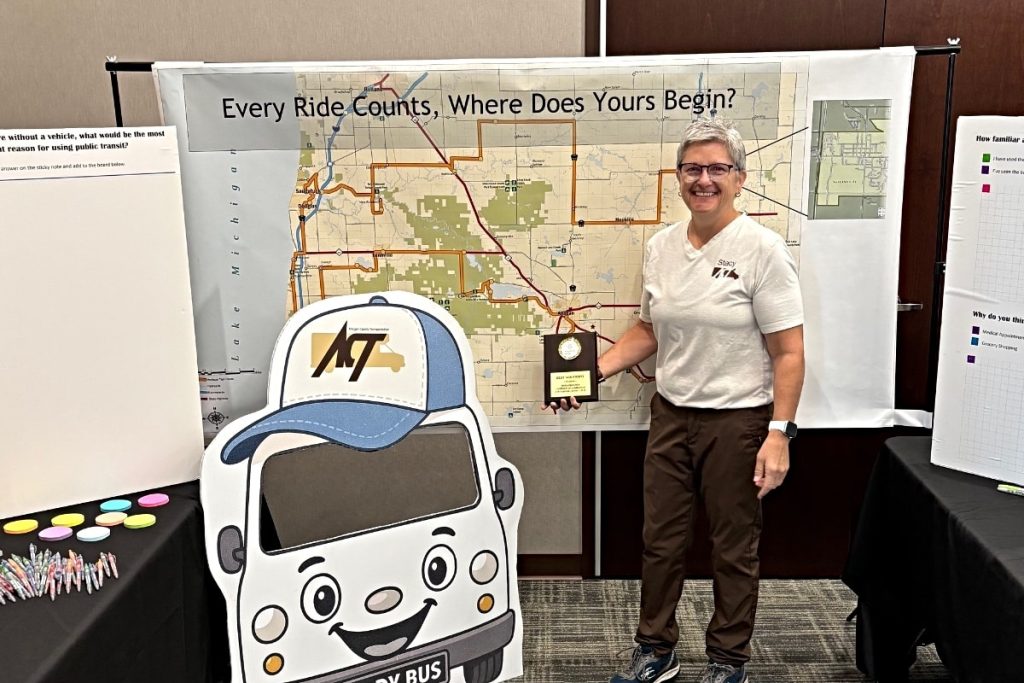
Stacy Todd, ACT program coordinator, says access to transportation also provides the mental health benefit of being able to simply get out of the house and be around other people.
“After the season of COVID and so many people being secluded from human interaction, it isn’t a hard stretch of imagination to realize what life may be like without the opportunity for transportation. Without transit, individuals become shut-ins with lack of social interaction and growing isolation,” says Todd. “Transportation is the link and asset for individuals who need connection, nourishment, employment opportunities, health care, and recreation for a rounded quality of life.
Ehresman says that ACT’s passengers tell her this is exactly why they appreciate the transportation services. Public transit can make the difference between independence and isolation. Isolation is linked to depression and declining mental health. Transit breaks the cycle by enabling interaction, routine, and for many people, a sense of purpose.
“Last week, I spoke with an older gentleman about his transportation needs. The conversation quickly became about much more than a ride,” Ehresman says. “Through tears, he shared that without his scheduled bus trips, he would be unable to leave his home. He told me that staying isolated was taking a serious toll on his mental health, and that access to transit was his lifeline to the outside world.”
Transportation is critical for people with medical and mental health needs. While many appointments can now be scheduled virtually, there is still a need for in-person visits for certain situations and requirements.
“Public transit is a public health resource that strengthens mental resilience and the overall quality of life for our neighbors,” says Ehresman. “It plays a critical role in supporting mental health. Transit is about access — access to care, connection, and community. When people are provided with reliable and accessible transit, they are able to attend therapy appointments, pick up groceries or medications, maintain employment, and participate in activities that help reduce social isolation and promote emotional well-being.”
Photo of ACT bus courtesy ACT.
Photo of Whitney Ehresman courtesy subject.
Photo of OnPoint by John Grap.
The MI Mental Health series highlights the opportunities that Michigan’s children, teens and adults of all ages have to find the mental health help they need, when and where they need it. It is made possible with funding from the Community Mental Health Association of Michigan, Center for Health and Research Transformation, OnPoint, Sanilac County CMH, St. Clair County CMH, Summit Pointe, and Washtenaw County CMH and Public Safety Preservation Millage.
Related Articles

More Than a Gym: Lift Land Fitness builds community in Yale
Located in the small rural community of Yale, Lift Land Fitness offers a wide range of classes. But the owner says the goal has always been more than exercise.
Partner Partner Content More Than Awareness: What inclusion really means and why it matters to all of us
When communities commit to inclusion, people with developmental disabilities experience greater independence, improved mental health, and stronger social connections.
Indiana health center trains local residents as dental assistants to fill workforce gaps
HealthLinc, a federally qualified health center in Valparaiso, covers training costs while preparing local residents for dental assistant jobs, strengthening workforce pipelines and expanding access to care.


