
Kinzer Family Farm offers a quiet, inclusive getaway in Yale
This family-owned farm is a place where families, especially those who may not feel comfortable in public spaces, can spend time outdoors on their own terms.
The Community Correspondent role provides readers with on-the-ground and inclusive stories about the Port Huron area. This is made possible through funding provided by the Community Foundation of St. Clair County.
In a time where the world is filled with overstimulation — whether digital noise or outings with big crowds and high prices — Kinzer Family Farm in Yale offers something simpler: space to breathe.
The family-owned property in St. Clair County isn’t a traditional farm with crops for sale or structured programming. Instead, it has become something more organic: a place where families, especially those who may not feel comfortable in public spaces, can spend time outdoors on their own terms.
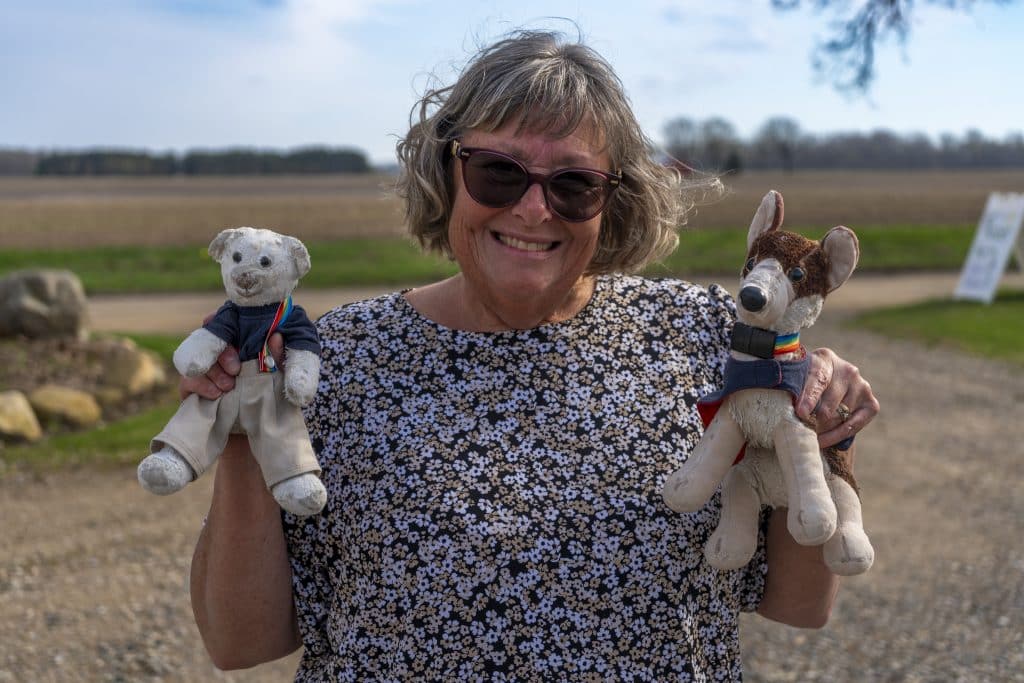
“We realized that there was a need for people to have a place to go and have privacy,” says Jacklin Boulter-Kinzer, co-owner of Kinzer Family Farm.
That realization didn’t come from a usual business plan. It grew out of something unique: a storytelling project.
From children’s stories to a community space
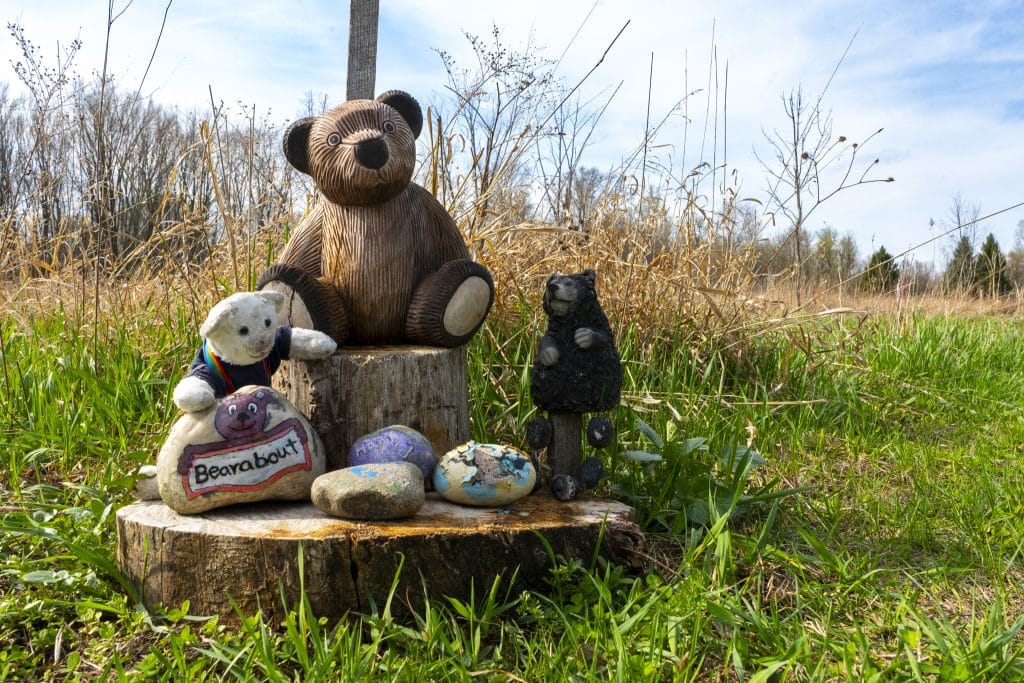
Years ago, the family began creating The Adventures of Dog and Bear, a series of stories originally written for their grandchildren. But as the stories spread online, they reached an unexpected audience.
“A lot of the followers seem to be those with dementia and autism, and people who are shut-ins,” Boulter-Kinzer says. “They were kind of living their life through watching Dog and Bear.”
Through messages and conversations, the owners realized that many families — especially those navigating disabilities or caregiving — shared that they struggled to find outdoor spaces where they felt safe and free from judgment.
“So, we started inviting them to come to the farm, pretty much as simple as that,” she adds.
That invitation quietly grew into what Kinzer Family Farm is today.
A place shaped by the community
Unlike most destinations, Kinzer Family Farm isn’t heavily programmed or commercialized. Visitors won’t find scheduled attractions or admission gates. Instead, the space evolves through the people who visit it.
“Basically, we offer the farm to people. We don’t really plan events… we just allow them to do whatever they want to do here,” Boulter-Kinzer says. “It’s not like commercially beautiful, it’s just naturally beautiful.”
The farm spans 38 acres, with about 17 acres dedicated to walking trails — roughly two and a half miles winding through open land. Along the way, visitors encounter an ever-changing collection of yard art, much of it donated.
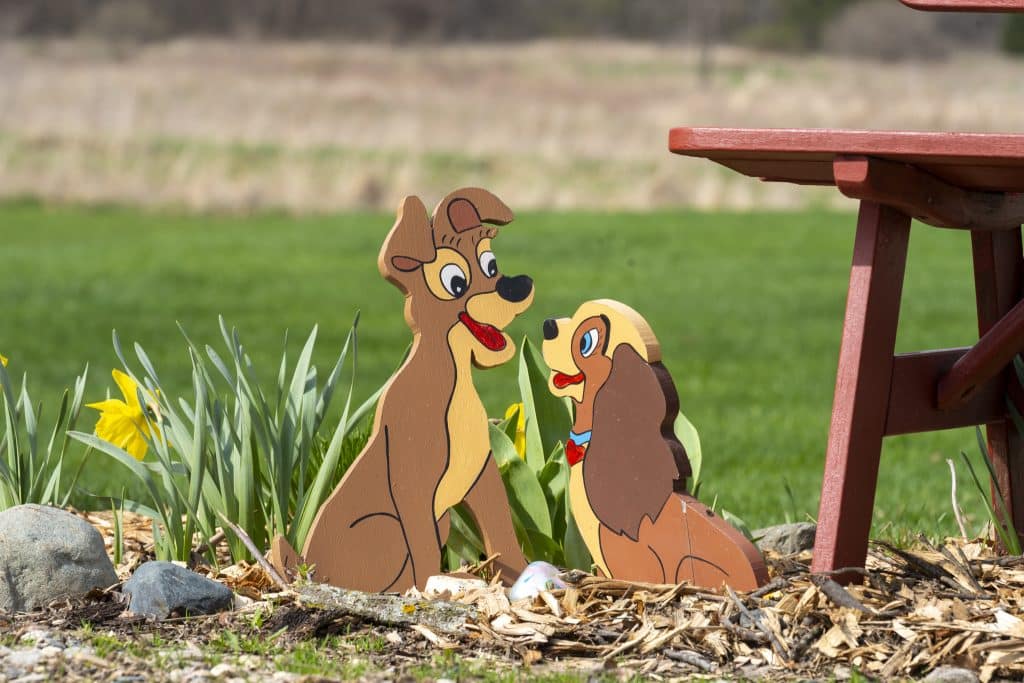
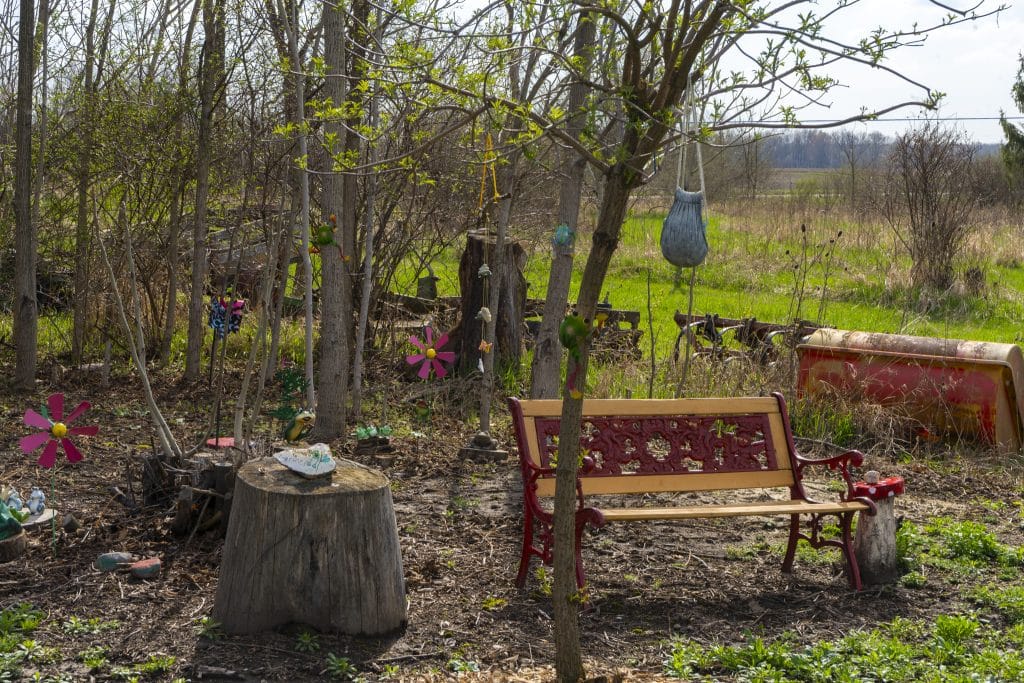
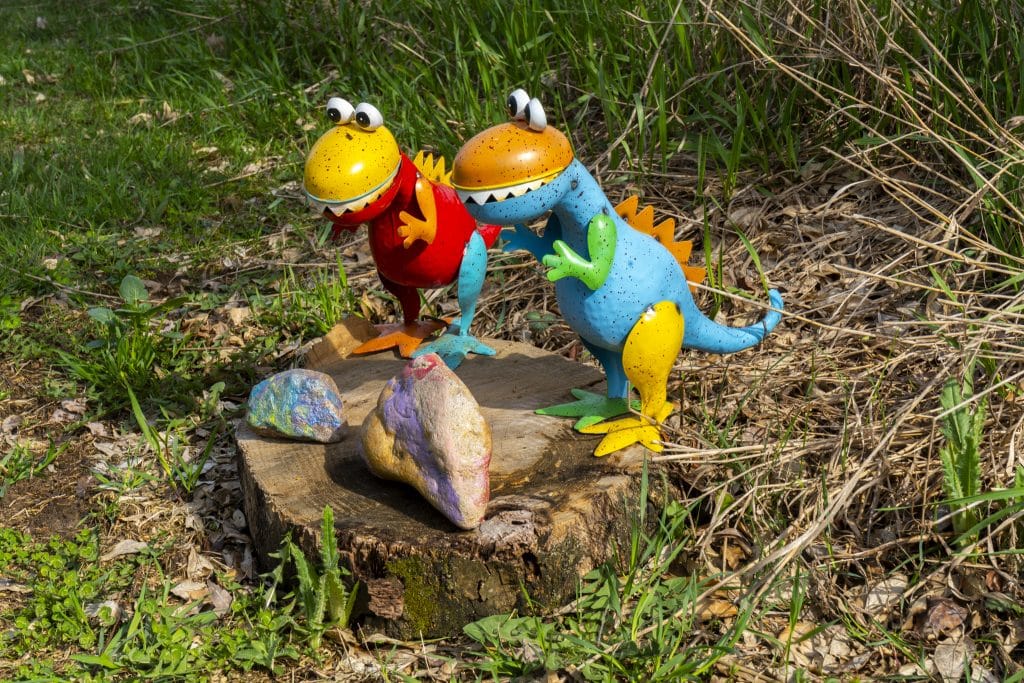
“We’ll come home and there’ll be yard art, or tables and chairs or benches,” she says. “So really everything here is from the public. All we do is offer it.”
Many of those pieces carry personal meaning, donated in memory of loved ones.
“People tell us they can kind of feel that love when they walk through the trails,” Boulter-Kinzer says.
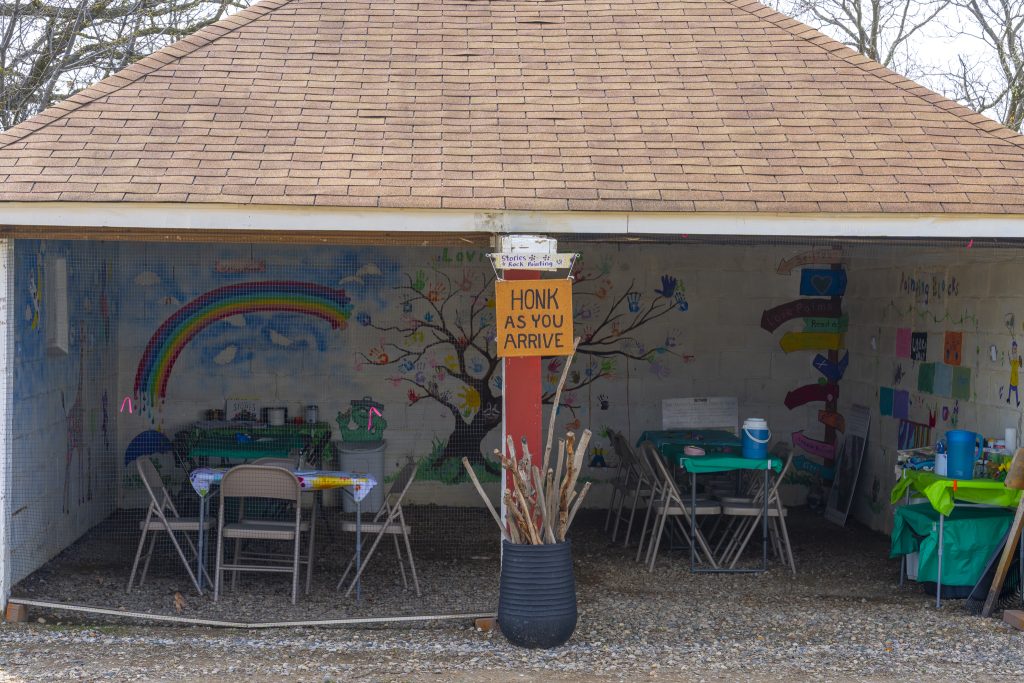
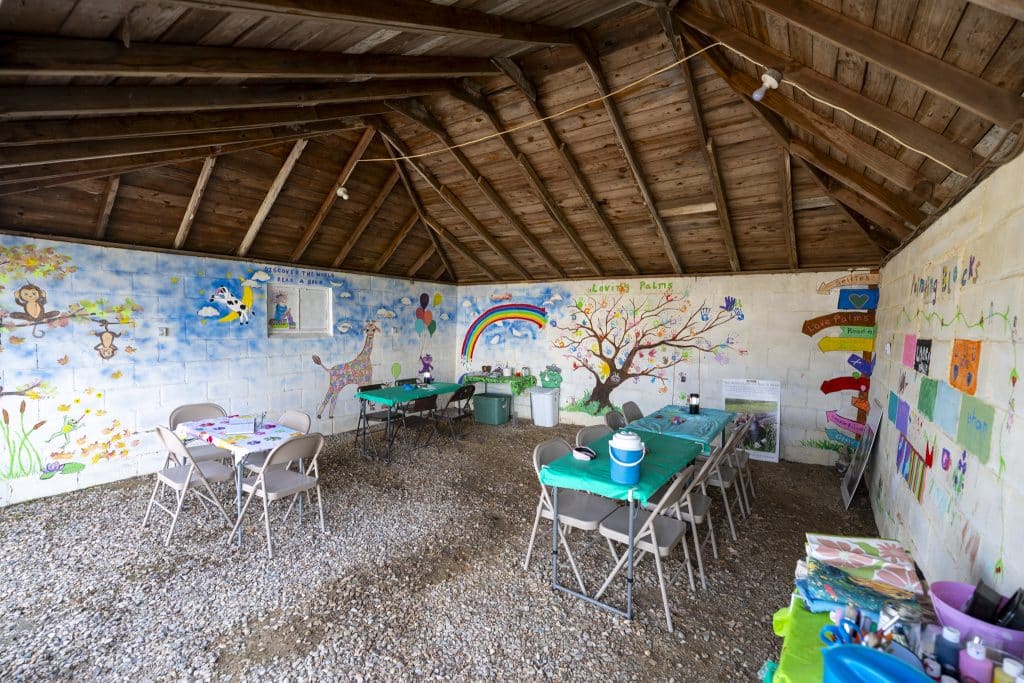
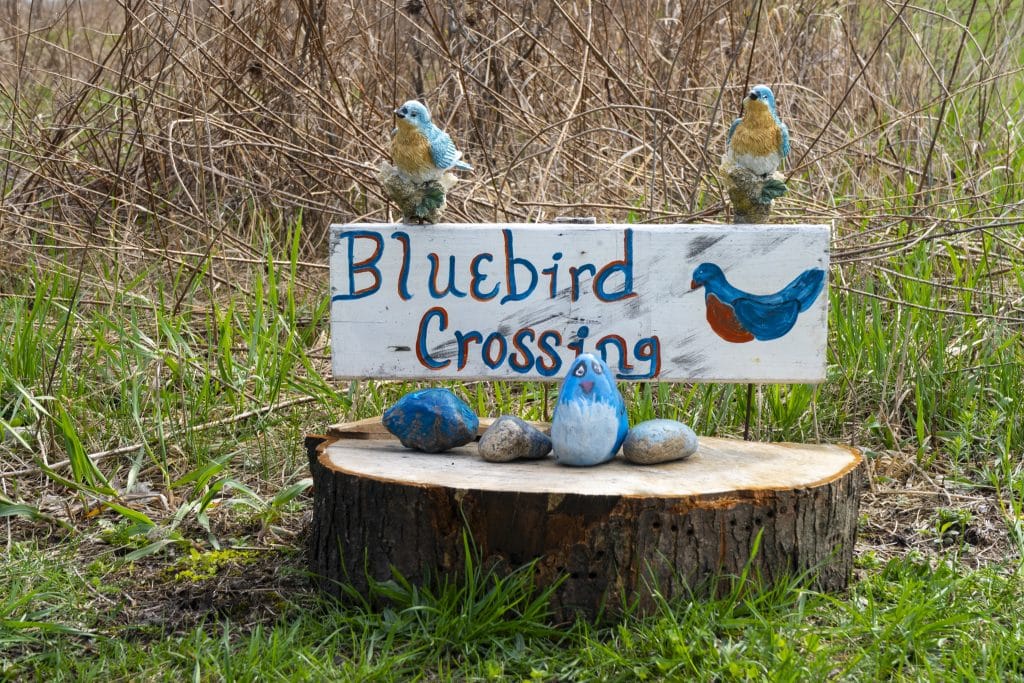
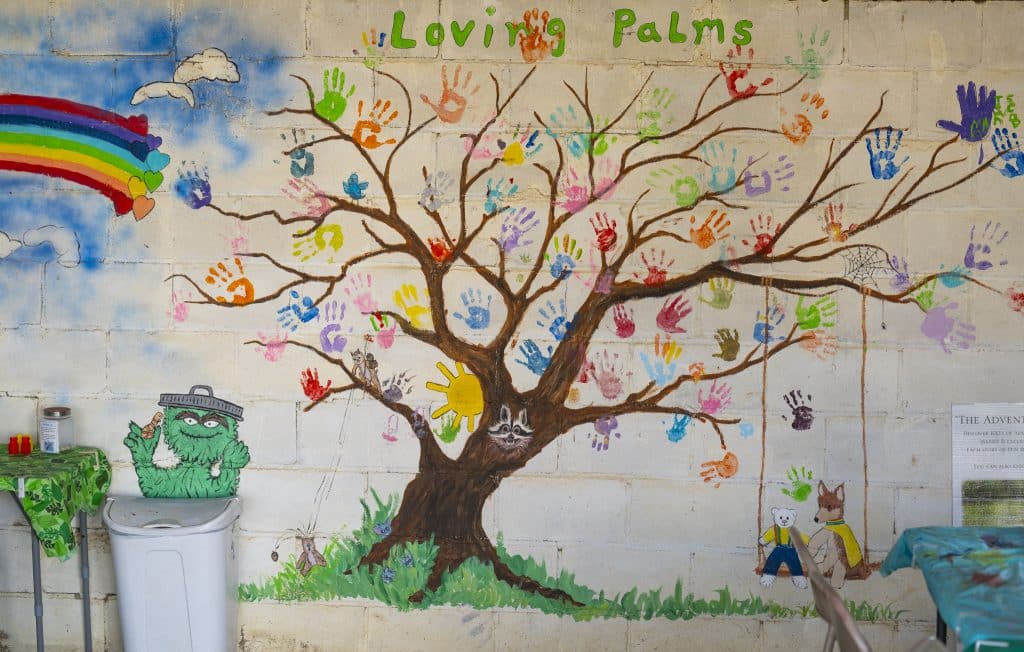
While there’s not a shortage of things to do at the farm, none of it is complicated. Families can walk the trails, play yard games, or spend time in a garage space decorated with painted characters, where kids can paint rocks or listen to stories. Visitors are encouraged to explore at their own pace.
That simplicity is intentional.
“You don’t have to spend thousands of dollars,” Boulter-Kinzer says. “Just come, enjoy nature, and do something simple.”
For many families, especially those dealing with stress or difficult circumstances, simplicity can be powerful. “Peace and laughter,” she says. “Families who are in the most stress need to find joy to survive.”
The power of giving back
The farm’s storytelling roots still shape much of what happens there.
One unexpected tradition started when people began dropping off gently used stuffed animals at the farm. Instead of letting them pile up, the family turned it into a lesson for kids.
Children who visit can adopt a stuffed animal and make a promise to care for it.
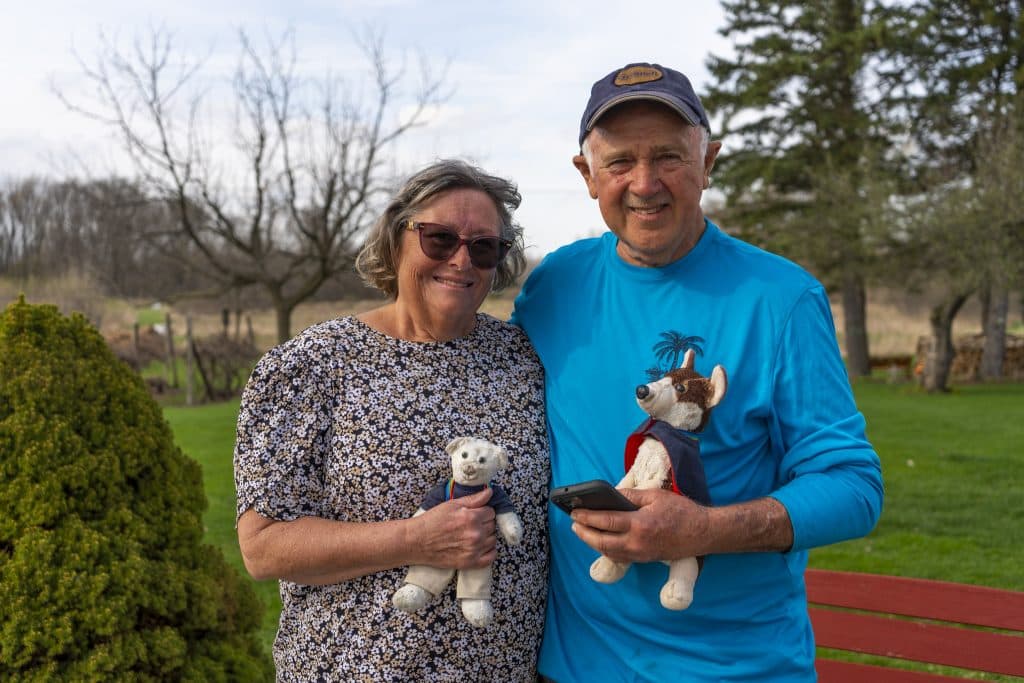
“They actually have to put their hand on their heart, and they sign a little contract,” Boulter-Kinzer says. “It’s a commitment.”
What began as a small idea has grown into something much larger. The farm has donated thousands of stuffed animals to assisted living and nursing homes.
Beyond that, the farm collaborates with a range of local organizations, using their stories and presence to support community efforts.
“We don’t take money from things,” the owner says. “We just do it out of love.”
A different kind of model
Kinzer Family Farm doesn’t operate like a typical small business. There are no standard hours, and visits are often arranged through social media or by reservation, with options for private time on the property.
That flexibility is part of what makes the space accessible, but it also comes with challenges.
“The weather is probably the biggest factor,” Boulter-Kinzer says. “And you want to control nature, but you can’t.”
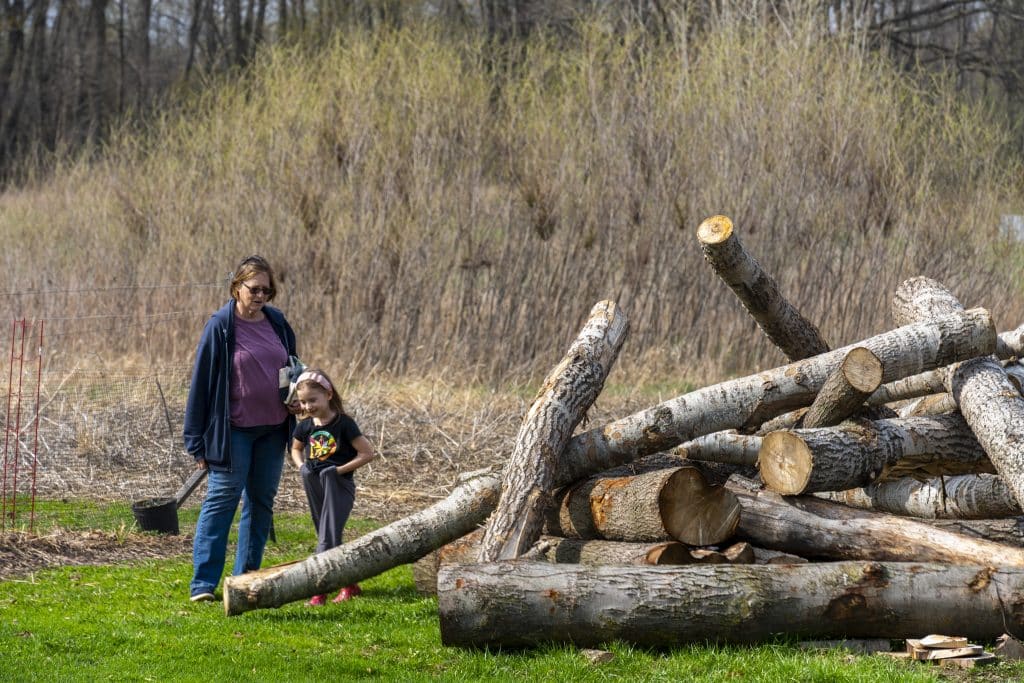
Still, the unpredictability is part of the experience. Some days are quiet; others bring large groups of visitors at once. Instead of relying on traditional revenue streams, the farm depends largely on community support.
As spring turns into summer, Boulter says what excites her most is simple: watching people enjoy the space.
“Seeing them interact with each other in a peaceful way,” she says, is “the most beautiful thing.”
Even as attendance grows, the core philosophy remains unchanged. “I think the biggest thing is simplicity,” she says. “Put simplicity back in your life.”
Author

Related Articles
A tale of three cities: How small businesses foster U.P. local economies
Rich histories and tight-knit, hard-working communities drive the U.P.’s economic development.
Blue Water Area disability services, resources pave way for independence, confidence in community
Local and regional resources, programs and organizations exist to embrace uniqueness and varying abilities — to overcome barriers and achieve personal and professional goals for folks with disabilities and their families.
Connecting Businesses to Resources: A sit-down chat with Bruce Seymore of St. Clair EDA
Bruce Seymore of the EDA’s Business Retention & Expansion Program has helped develop over 1,000 businesses throughout the Blue Water Area. The Keel explores how this program has impacted the community and what Seymore has learned in his role.


