
Partner Partner Content New Mobile Crisis Unit Van creates safer space for St. Clair County residents
Unveiled last week in Port Huron, the Mobile Crisis Unit van creates a confidential space where trained clinicians can meet with individuals experiencing a crisis.
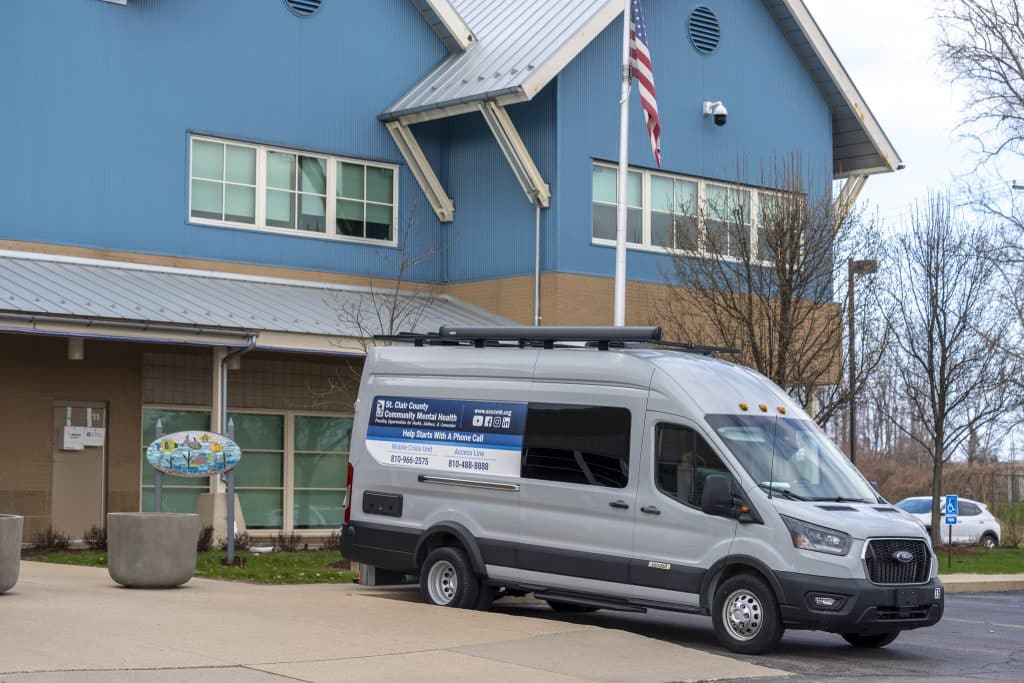
For years, St. Clair County Community Mental Health (SCCCMH) has met residents where they are — responding to calls in homes, on sidewalks, in schools, and across the community.
But until now, one thing has often been missing: privacy.
“When crisis happens, it doesn’t always happen in a place where it’s safe or appropriate to sit down and talk,” says CEO Deb Johnson.
That gap is what the organization’s new Mobile Crisis Unit (MCU) van is designed to fill.
Unveiled last week in Port Huron, the van creates a confidential, climate-controlled space where trained clinicians can meet with individuals experiencing a crisis — no matter where they are.
For a service built around mobility, the addition of a physical space might seem small. But for the people using it and the staff providing care, it marks a significant shift in how crisis response can look and feel.
Meeting People Where They Are
The MCU has been operating in St. Clair County since 2016, but the addition of the van transforms how that care is delivered.
Previously, crisis workers often had to assess and de-escalate situations in unpredictable conditions: extreme weather, crowded public spaces, or inside homes that may not feel safe.
“Sometimes… the crisis might be in downtown Port Huron, and that’s not at a house,” Johnson says. “Instead of meeting outside in the street, they can bring a person into the vehicle.”
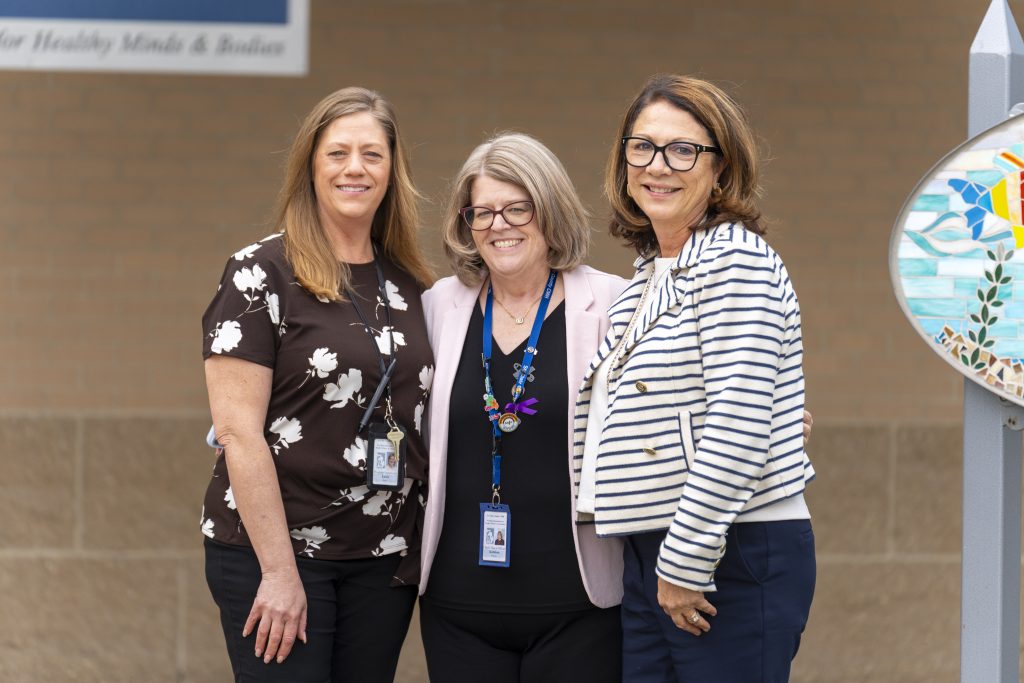
“Before this vehicle, we didn’t have a dedicated, safe place to speak with people,” Mobile Crisis Unit Supervisor Leslie Brown adds. “Now, someone who may be standing in the cold or in a difficult environment can step inside, warm up, and have a private conversation.”
That shift is especially important in situations where the surrounding environment may escalate stress — whether at home, a public setting, or simply the unpredictability of being outdoors.
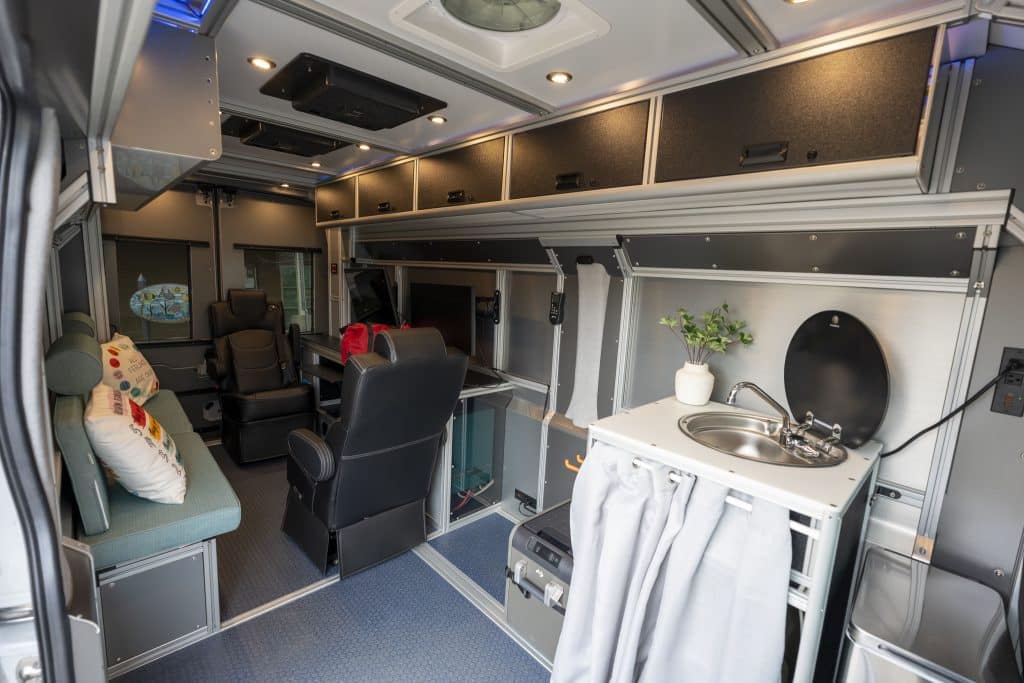
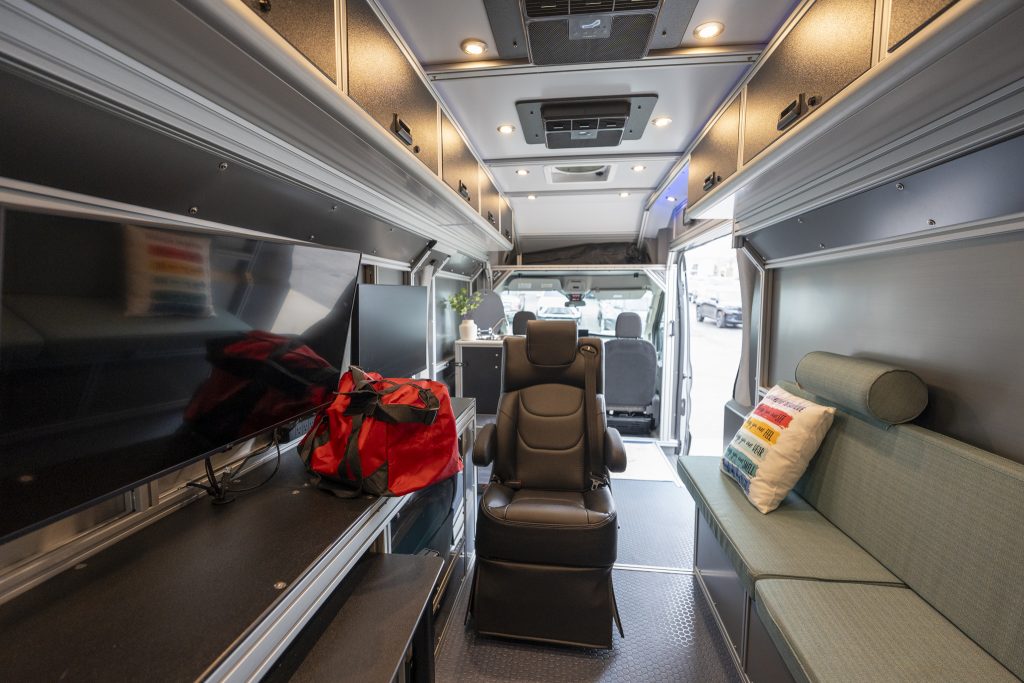
The van also functions as a fully equipped mobile office, complete with satellite service and technology that allows staff to connect with additional providers, including psychiatrists, if needed.
Beyond logistics, it offers something less tangible but just as important: dignity.
“It’s more respectful,” Johnson says. “Especially when someone is going through a crisis, having a private space can make all the difference.”
A Resource for the Entire Community
The Mobile Crisis Unit is available 24 hours a day, seven days a week, even on nights, weekends, and holidays. And, it serves anyone of any age in St. Clair County.
“Our mobile crisis unit will respond to anybody in the community,” Johnson says. “It’s not like somebody might think, ‘Well, I don’t get services at CMH, so I can’t call them.’ No, anybody can call.”
She adds, “If you’re not sure if it’s a crisis, give them a call, because they can help determine if it is a crisis or not.”
That includes concerned family members, neighbors, schools, or employers.
“Everyone’s definition of a crisis is different,” Brown says. “If someone’s calling, to them it is a crisis, and they need some help… getting emotionally regulated, being linked to resources, whatever it might be.”
The team responds across a wide range of situations — from homes and schools to workplaces, stores, and hospitals — assessing safety, providing immediate support, and helping individuals connect to ongoing care.
In fiscal year 2025 alone, the unit provided crisis support to 1,565 individuals, with 14% not previously connected to SCCCMH services. Since launching in 2016, the team has supported more than 5,800 unique individuals.
Reducing Barriers to Care
The van also addresses one of the biggest barriers to mental health services: transportation.
“I think just accessing service throughout the county when it’s needed, where it’s needed,” says Board Chair Nancy Thomson. “This way, transportation can go to them.”
Funded in part through federal ARPA dollars and approved by the SCCCMH board, the nearly $200,000 vehicle expands the team’s reach across both urban and rural parts of the county.
“The board supports our mission, vision, values,” Johnson says. “One of them is to provide accessible services.”
Mobile crisis programs are widely recognized as a best practice in behavioral health care, offering an alternative to emergency room visits or law enforcement involvement by focusing on de-escalation, stabilization, and connection to care.
By responding directly in the community, teams can reduce strain on emergency systems while helping individuals access the right level of support more quickly.
Designed for Comfort and Discretion
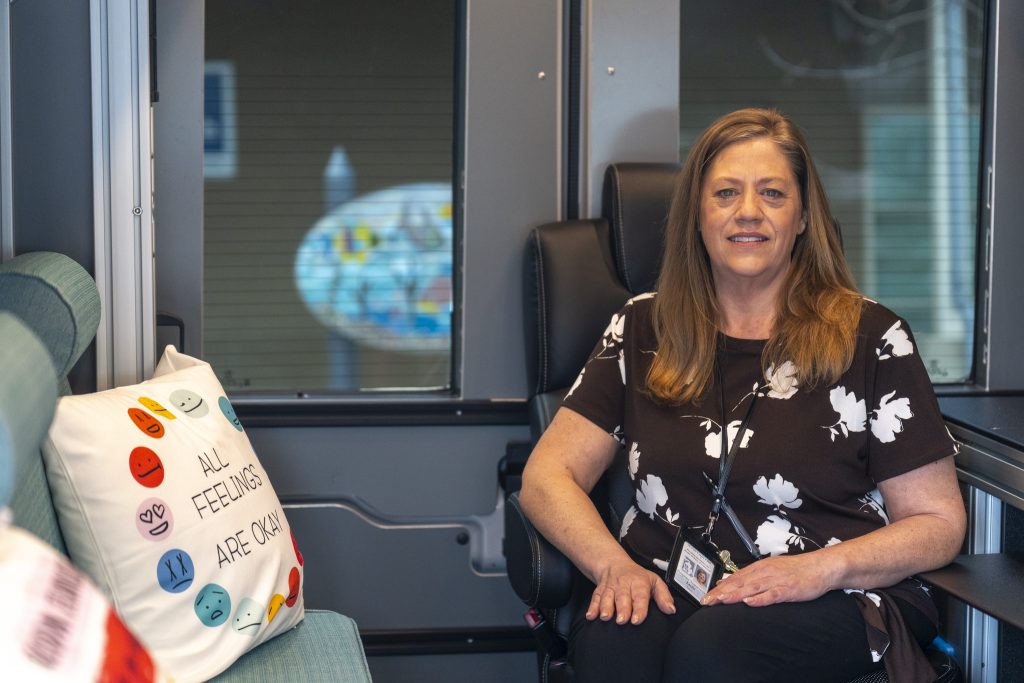
When the van arrived in the summer of 2025, it felt more clinical than comforting. Since then, the team has worked to make the space more approachable. Adjustments from uncovering windows to softening the interior have helped create a more welcoming environment for individuals in distress.
There’s also flexibility in how the van appears in the community.
“As you see today, there are the magnets on it with the logos,” Brown says. “But we can have an unmarked vehicle where someone is potentially more comfortable to come in and to speak with us.”
That option matters in a field where stigma can still be a barrier to seeking help.
A Growing Presence in the Community
Beyond emergency response, the van is already becoming a visible and proactive part of the community.
Staff use it not only to respond to calls, but also to build awareness, sometimes parking in public spaces to directly engage with residents and share information about available services.

The vehicle can also be used at public events, offering another way for SCCCMH to connect with residents and expand awareness of mental health resources.
For SCCCMH leadership, the new Mobile Crisis Unit van represents more than just a vehicle. It’s part of a broader effort to build a more responsive, accessible system of care.
“This is about bringing care to people, when and where they need it most,” Johnson says.
In moments of crisis — when environments are unstable, emotions are heightened, and decisions feel urgent — the ability to offer immediate, in-person support in a private setting can shift outcomes.
And now, in St. Clair County, that support comes with a door that can close, a seat to sit in, and space to breathe.
This story is part of a series focused on raising mental health awareness and is funded by the St. Clair County Community, an organization dedicated to providing essential mental health services to the community.
Author

Related Articles
Primary care providers help expand oral health access through national training initiative
The 100 Million Mouths Campaign trains primary care providers to identify oral health concerns, expanding access and improving patient care beyond dental offices.

Partner Partner Content How St. Clair County Community Mental Health’s Teen Advisory Group is Giving Young People a Voice – and Launching a New Conversation About Mental Health
The Resilience Blueprint, created by teens, for teens, is a podcast that will explore the real conversations young people want to have about mental health, resilience, and the everyday challenges they face.
Relationships with law enforcement and community organizations central to rural mental health services
For Sanilac County Community Health, tech supports help but collaborations make the difference.


