
There is a need for citizen scientists in St. Clair County: Here’s how you can become one
Residents of St. Clair County have an opportunity to become citizen scientists by participating in the Conservation Stewards Program, where students will attend classes and field trips held throughout the county, then complete a project highlighting conservation issues.
The Community Correspondent role provides readers with on-the-ground and inclusive stories about the Port Huron area. This is made possible through funding provided by the Community Foundation of St. Clair County.
Residents of St. Clair County have the opportunity to become citizen scientists by participating in the Conservation Stewards Program (CSP), which is administered by Michigan State University Extension and local groups, St. Clair County Parks and Recreation Commission, and RESA’s Pine River Nature Center.
“Michigan State University Extension’s Conservation Stewards Program (CSP) helps individuals gain knowledge and expertise to engage in conservation stewardship activities in their local communities,” says Kirsten Lyons, Goodells County Park Naturalist.
Students will learn about society, heritage, conservation, and terrains like wetlands and forests. The course runs from September 10 through November 12 and classes are held on Wednesday nights from 6:00 p.m. to 8:30 pm.
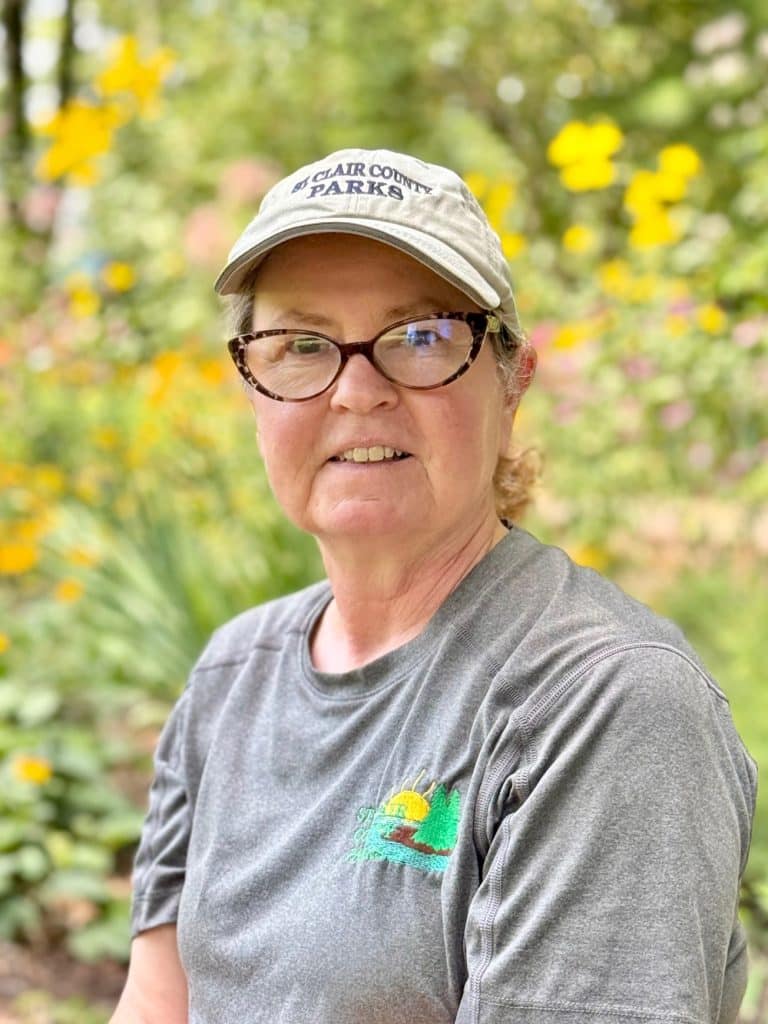
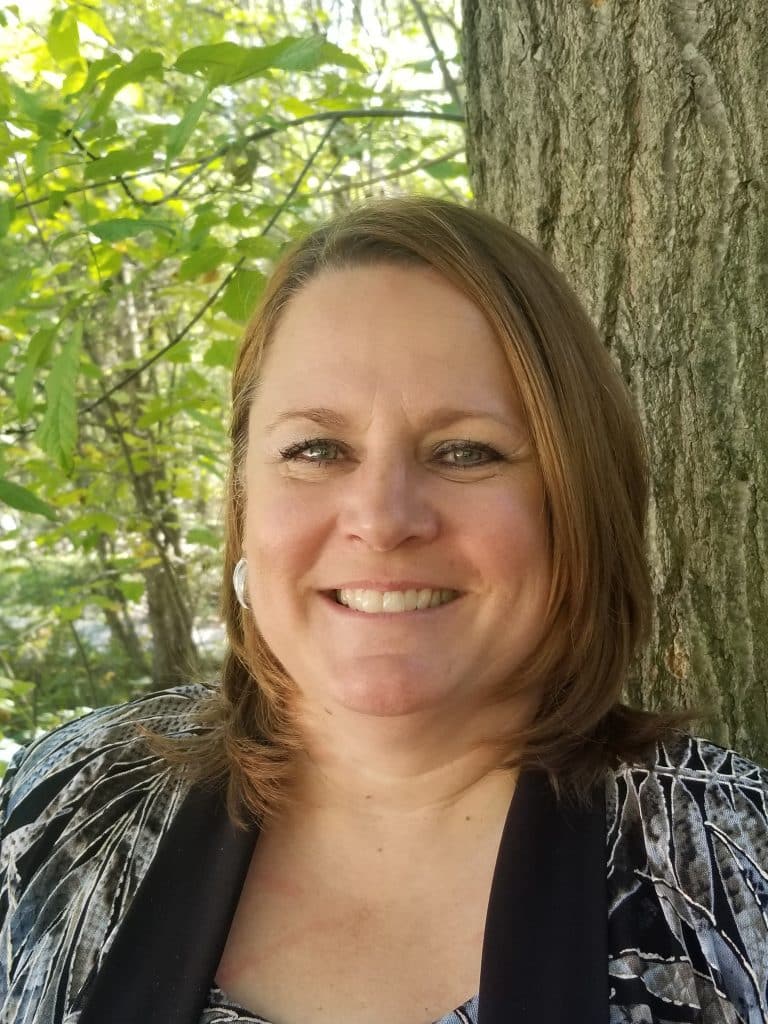
The course is co-led by Lyons and Monique Werner, Environmental Educator at Pine River Nature Center. Lyons brought the program to St. Clair County in 2018 after it inspired her to pursue a Master’s in Natural Resource Stewardship. She has been involved in local and regional invasive species issues for decades, protecting natural resources and hosting environmental programs.
Classes begin with an outdoor site tour and end with an indoor presentation on that week’s topic. Each week, a different local expert will lead the site tour and presentation. Online modules will prepare students for the upcoming class topics. Two half-day Saturday field experiences will be held on September 20 and October 4.
At the end of the program, students will choose an ecological topic they are passionate about and create a Captone Project with classmates to apply what they have learned to real-life conservation needs in their community.
“For St. Clair County Parks, CSP alumni and volunteers have led projects and programs we could not otherwise have offered, such as the maple sugaring project at Columbus County Park and the Mudge Cabin Native Landscape project at Goodells County Park,” Lyons says.
One of the biggest challenges the program faces is getting the word out about it to potential participants and ensuring students are registered on time. CSP is also a time-intensive class.
The program costs $250, with scholarships available. Applications are being accepted through August 24. For more information, contact Kirsten Lyons at klyons@stclaircounty.org or Monique Warner at werner.monique@sccresa.org.
“I am convinced that the CSP program is a large part of the reason why our natural areas are cared for and thriving, and our community is connected to them,” Lyons says. “The connections the CSP learners make with each other and with our local experts during the course often lead to job offers, nonprofit board positions, career changes, and other impacts far beyond just taking a class and earning a certificate.”
Author

Related Articles
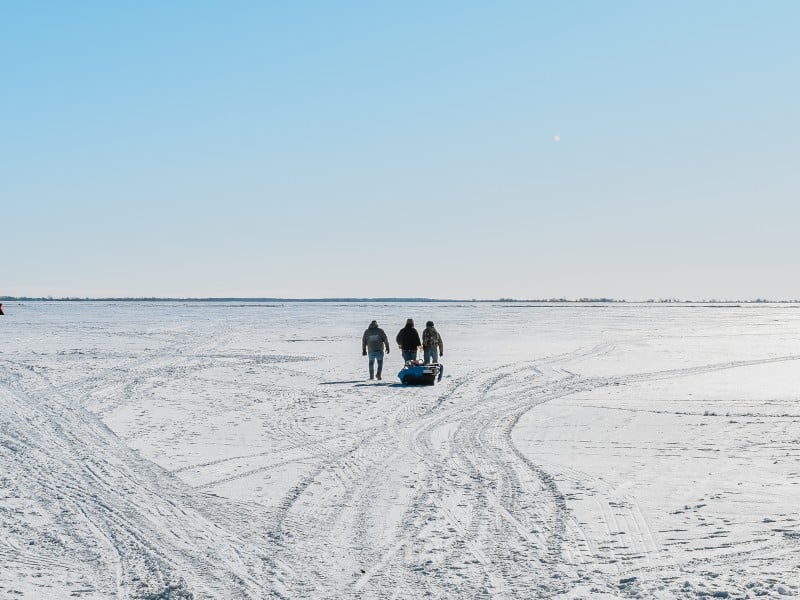
Despite years-long decline of Great Lakes ice, this year’s deep freeze creates winter playground for ice sport enthusiasts
This winter has brought above-average ice cover to the Great Lakes. But despite year-to-year variability, average ice cover has been declining for the past 50 years, with cascading consequences for communities and the environment.
Native Blend brings indigenous medicine to modern healing
An Indigenous and veteran-owned herbal company based in Port Huron, Native Blend focuses on the philosophy that medicine should serve the community.
Friends of St. Clair River promote Stonefly detection crucial for watershed protection
Friends of the St. Clair River will host a winter stonefly search on February 28 at Columbus County Park; data collected during the event will give scientists insight into the health of the Belle River.


