
A Seat at My Table: Where Black family history lives in the present
This month at the Port Huron Museum, the third installment in a community-rooted exhibit series invited local Black families to share their history, genealogy, and heritage through personal installations.
The Community Correspondent role provides readers with on-the-ground and inclusive stories about the Port Huron area. This is made possible through funding provided by the Community Foundation of St. Clair County.
There’s something symbolic about a table. It says that we sat. We gathered.
This month at the Port Huron Museum, that distinction becomes the foundation of A Seat at My Table, the third installment in a community-rooted exhibit series inviting local Black families to share their history, genealogy, and heritage through personal installations.
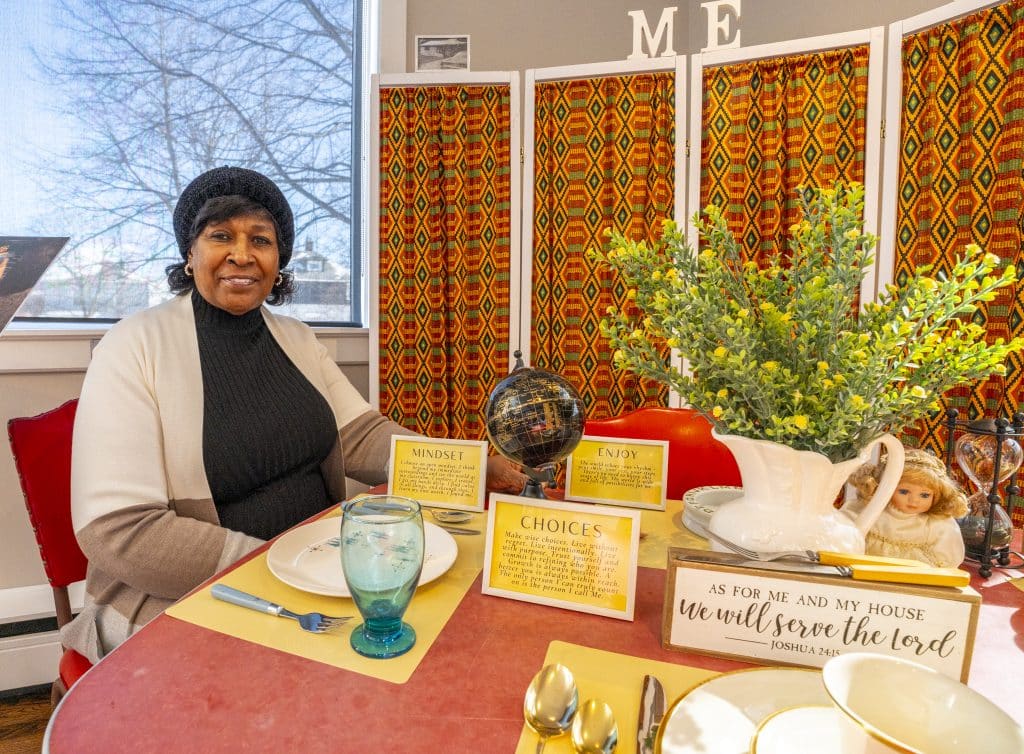
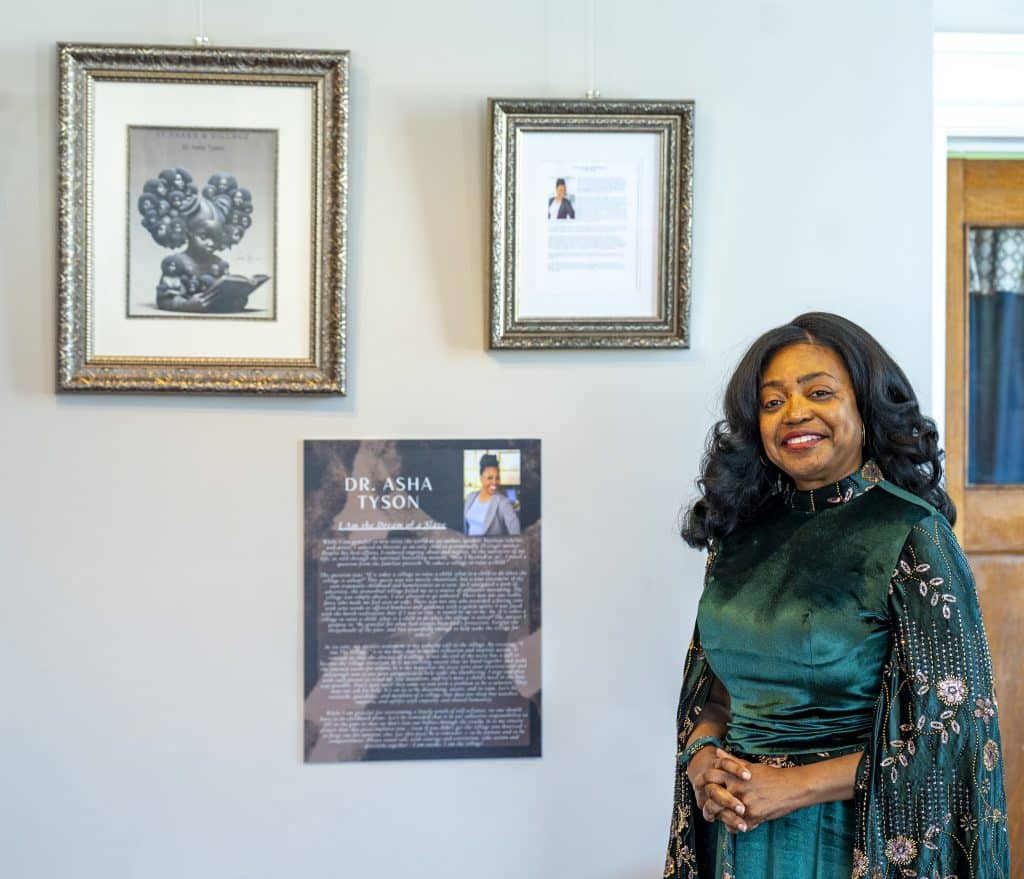
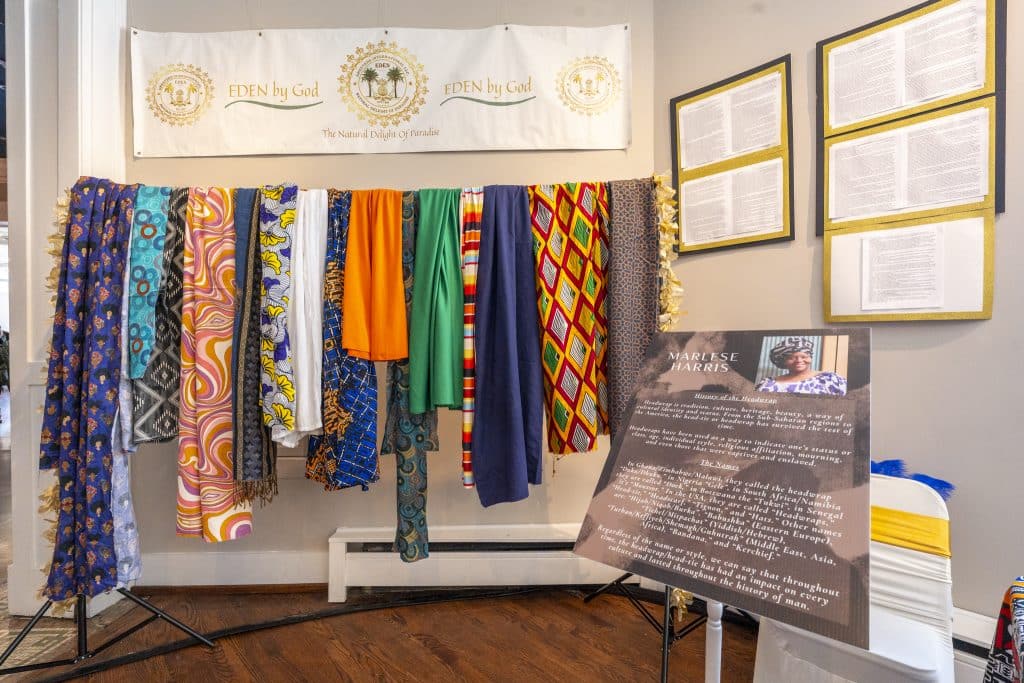
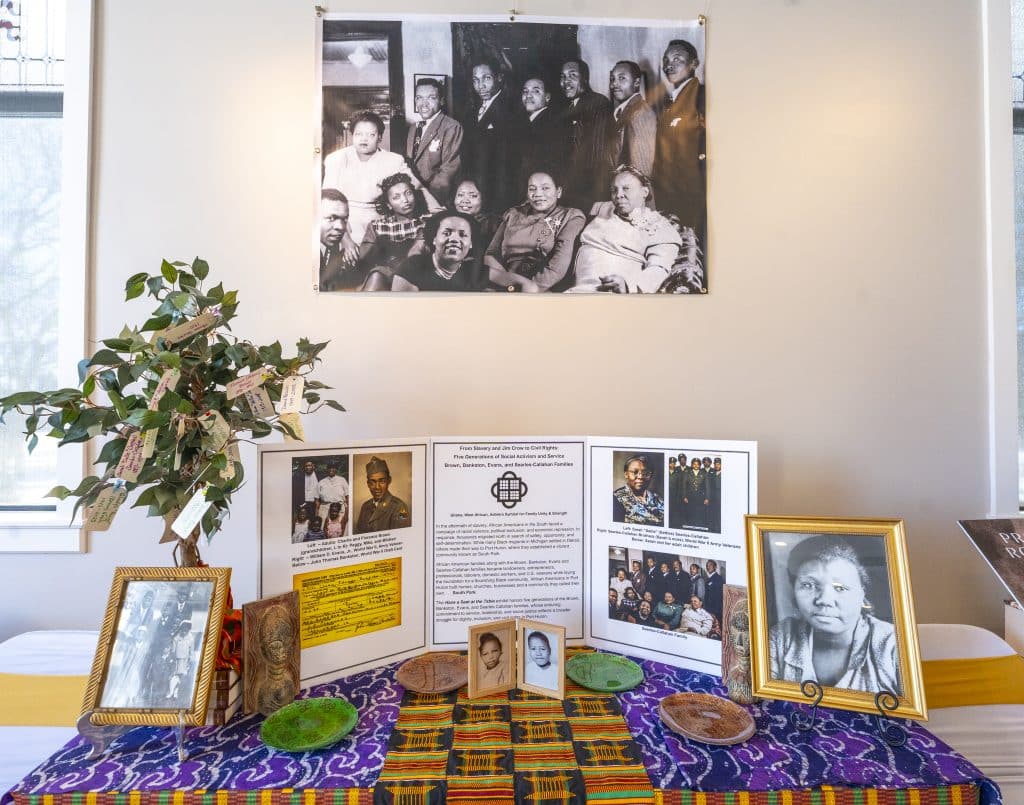
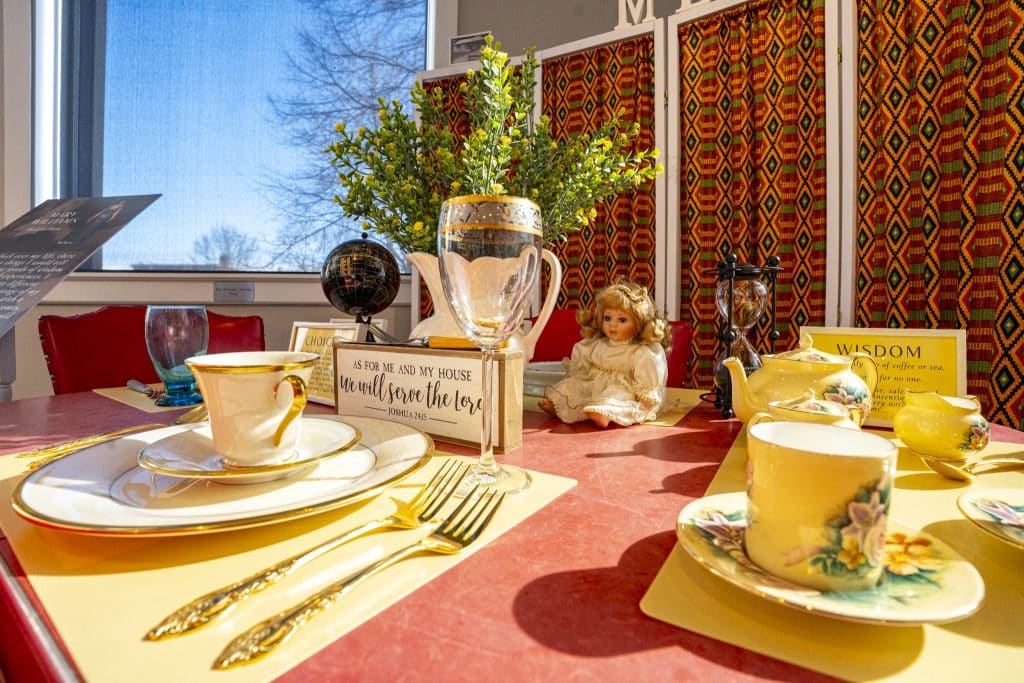
Instead of traditional panels and timelines, the gallery is filled with tables layered with photographs, family Bibles, obituaries, quilts, handwritten reflections, and objects passed down through generations. It feels less like a museum exhibit and more like walking through someone’s living room during a reunion.
The shift allows for larger, more immersive storytelling.
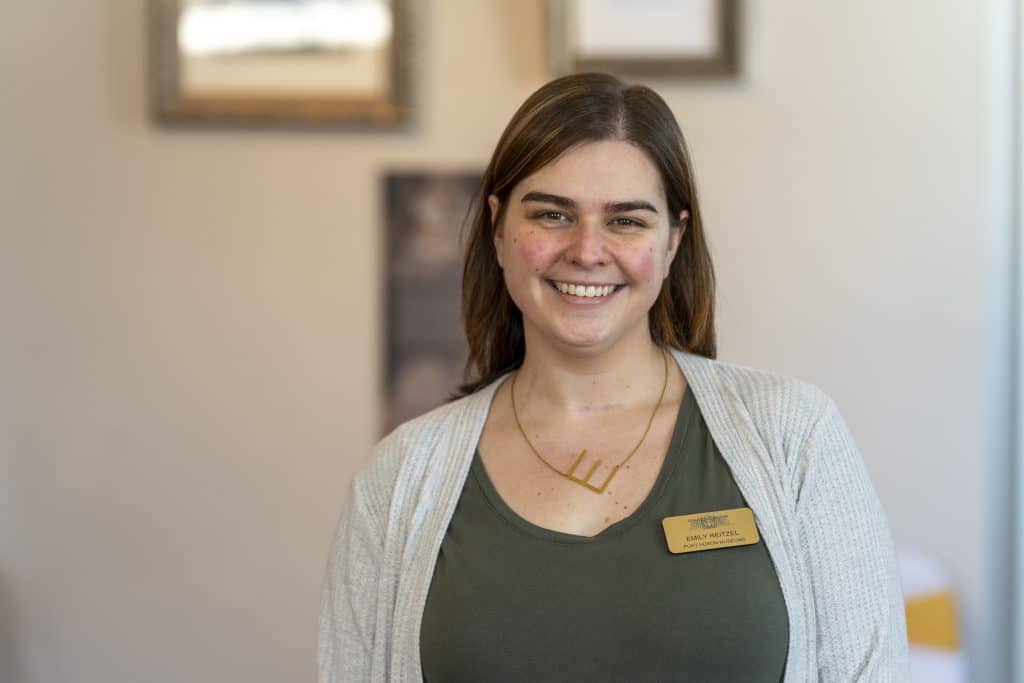
“Each artist has created a different installation depending on their family history or their heritage, or their hobbies that have been passed down,” says Emily Reitzel, curator of collections and exhibits at the museum.
The museum issued an open call for submissions, bringing in 20 participants this year, including returning artists and a few new faces.
For Reitzel, the exhibit reframes how history is understood.
“I kind of see this as living history,” she says. “Black history never ends. The people that are living today in our community, their Black history in the present… It all kind of comes down to the people who are here in our community right now and how their history has affected what they do today… definitely lots of history, but a little bit like living history.”
That idea — history as something active and ongoing — anchors the room.
Valerie Scott-Price, who has coordinated the Port Huron exhibits since the series arrived from Mount Clemens, says this year’s theme grew out of reflection after the previous show closed.
“I was sitting in the museum at the end after we were packing up everything… and I started visioning, what about for 2026 that we did a seat at the table,” she says. “I envision families… So I wanted to kind of bring families back together, let them do some history, and let’s do it at the table.”
Her inspiration traces back to childhood summers.
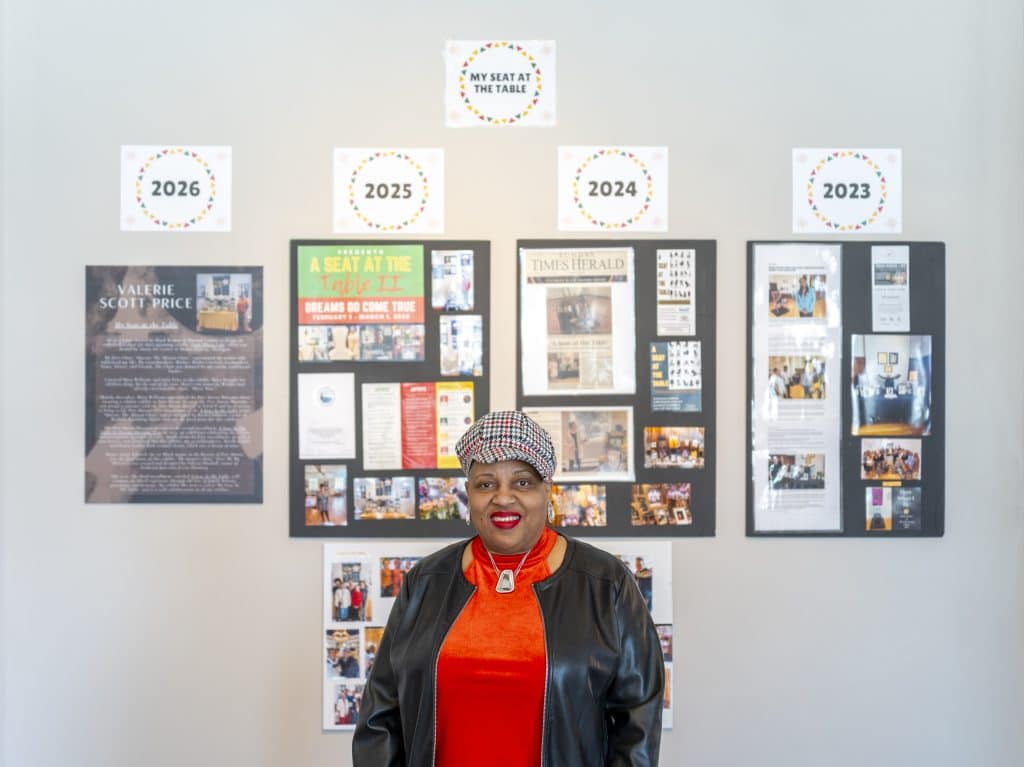
“We spent all of our summers and spring breaks in Louisville, Kentucky, with our grandmother,” she says. “All of my fondest memories were around the table.”
Scott-Price built multiple installations this year. One honors her mother, Brenda Scott Rucker, in a display titled The Table That Brenda Built. The table includes photographs, church history, and written reflections from each of her five daughters.
“The best thing my mom taught me was to have a relationship with Jesus Christ and to pray without ceasing,” she says. “As the oldest daughter of five, I was taught how to cook, clean, and care for my sisters… I am my sister’s keeper.”
Another table honors her late mother-in-law, Kay Price, centering on Sunday dinners and generational connection.
For her, the exhibit is meant to spark something beyond the museum walls.
“I think it’s so important for people to come through… we can sit at the table and talk about our families,” she says. “There’s so much going on in the world today.”
Other installations expand the conversation to voice and legacy.
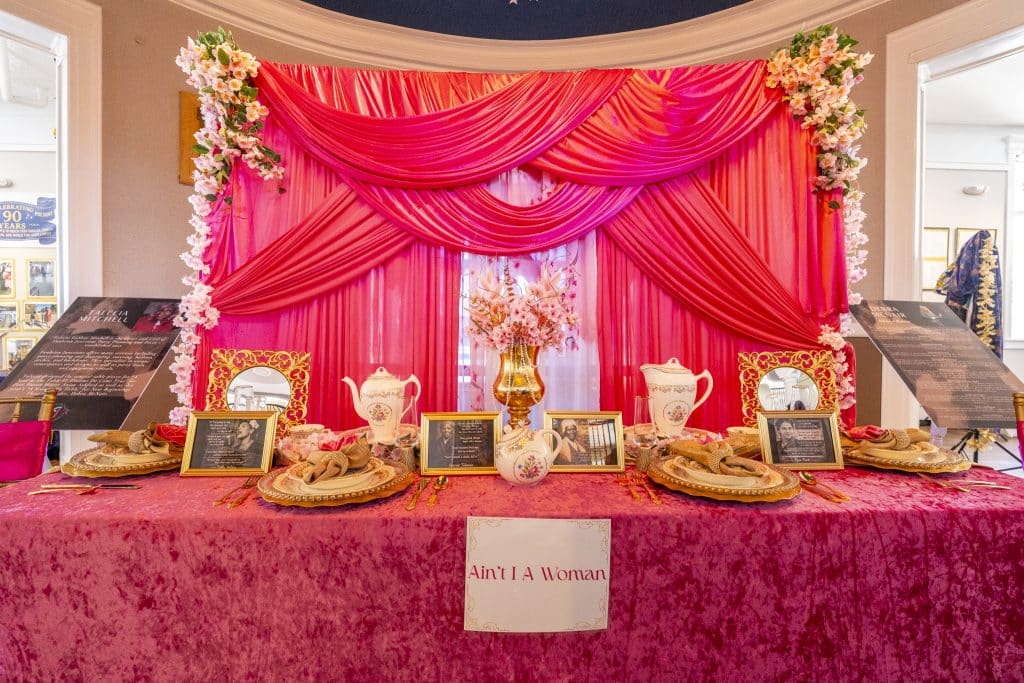
Debra McNair, founder of New Beginnings Theatre, creates a centerpiece table inspired by Sojourner Truth’s “Ain’t I a Woman?” speech.
“When I looked at the content of what she was saying, it just kind of inspired me to talk about how our voices as women need to be heard,” McNair says.
Her table features women such as Sojourner Truth, Harriet Tubman, Rosa Parks, and Billie Holiday — figures who reshaped history through their voices and actions.
Her own family history is part of that narrative.
“My great-grandfather was a slave… and he was 101 years old,” McNair says. “Because of their strength… that was kind of like something that we inherit, to be strong in what we believe, and so to find a voice.”
Across the gallery, themes of faith, resilience, and migration intersect with deeply personal stories. Some tables center on four generations of quilts. Others reflect on rebuilding after loss, surviving illness, or tracing ancestry for the first time.
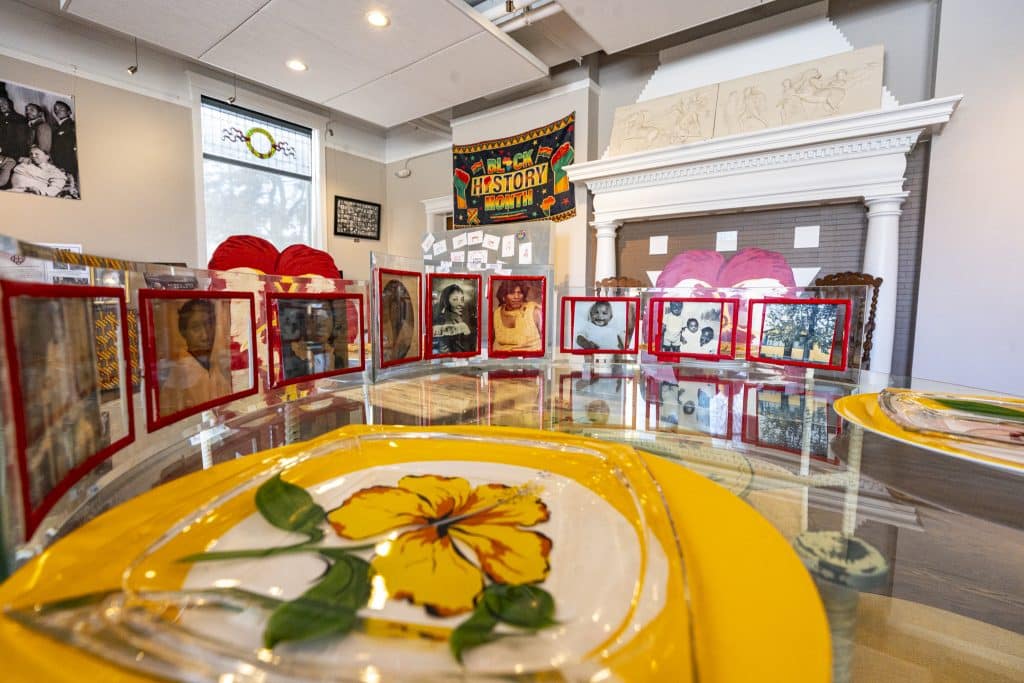
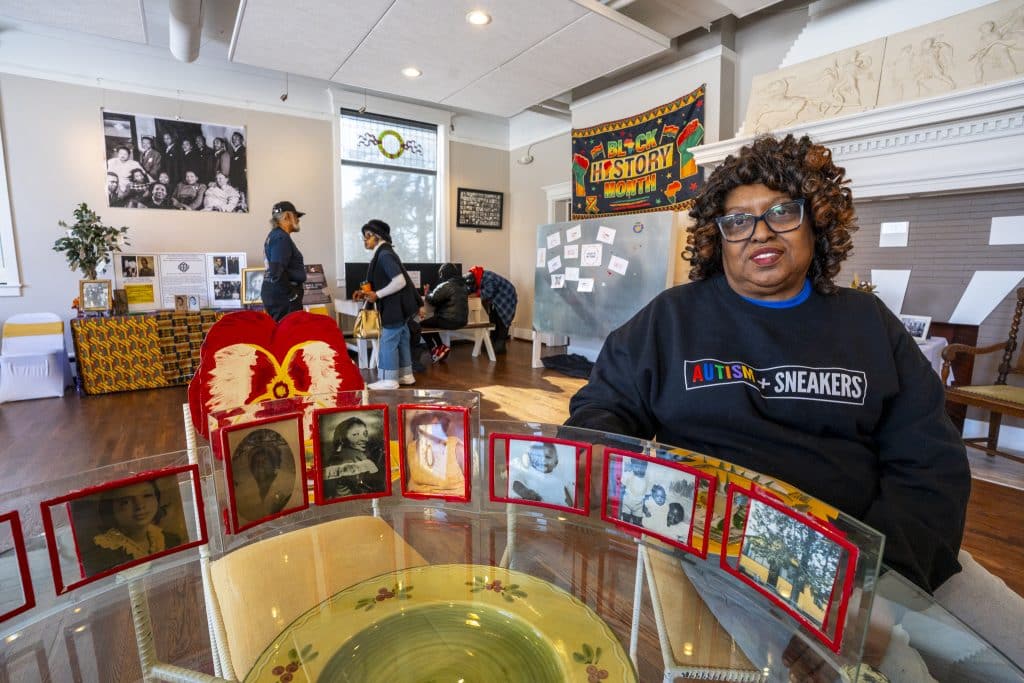
Reitzel encourages visitors not to rush while walking through.
“My suggestion is to check out each and every single one,” she says. “While they are all based in Black history… each one is still really unique in its own way.”
What lingers most throughout the program is not a single object, but the act itself: families choosing to document, display, and share their history publicly.
Author
Related Articles
Partner Partner Content Stronger Together: Celebrating Community, Connection, and Care in St. Clair County
May is Mental Health Awareness Month and SCCCMH celebrated their annual awards with this year’s theme “Stronger Together: You Are Not Alone” highlighting individuals, families, partners, and staff who make up a system of care rooted in connection and community.
Partner Partner Content Community comes together to build new KaBOOM! playground in Emmett Township
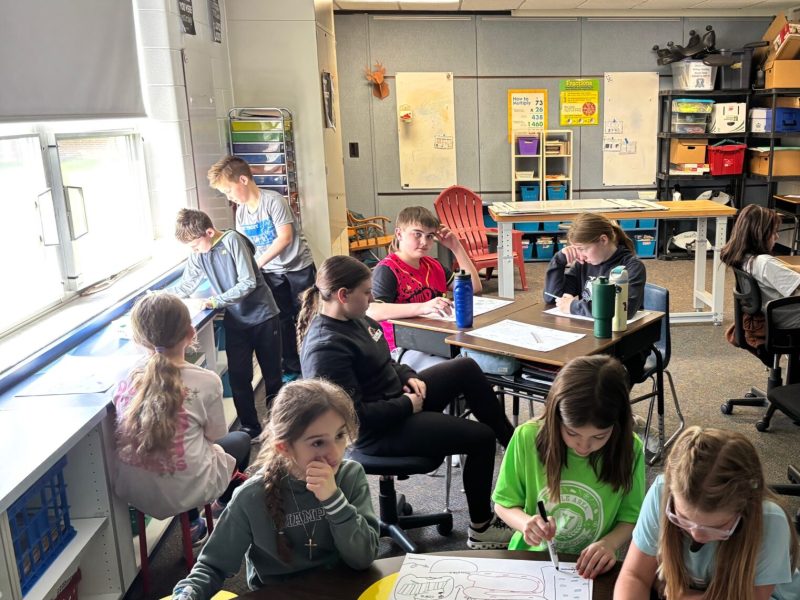
Emmett Township is building a brand-new, playground designed by elementary school students. Their visions included adventurous elements like ziplines, tunnels, and imaginative play spaces.
Kinzer Family Farm offers a quiet, inclusive getaway in Yale
This family-owned farm is a place where families, especially those who may not feel comfortable in public spaces, can spend time outdoors on their own terms.


