
Partner Partner Content How St. Clair County Community Mental Health’s Teen Advisory Group is Giving Young People a Voice – and Launching a New Conversation About Mental Health
The Resilience Blueprint, created by teens, for teens, is a podcast that will explore the real conversations young people want to have about mental health, resilience, and the everyday challenges they face.
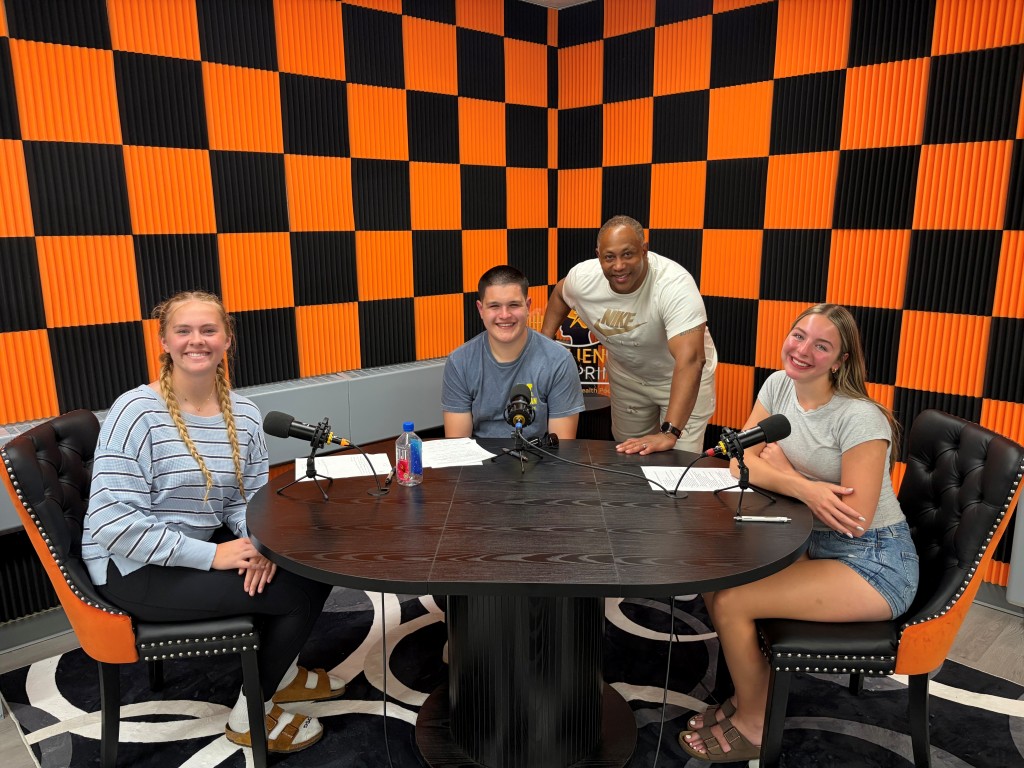
This story was provided by St. Clair County Community Mental Health.
Teenagers spend thousands of hours each year listening – to music, podcasts, social media, and one another. Yet when it comes to conversations about mental health, they’re often expected to listen more than they speak.
A new group in St. Clair County hopes to change that. And it started with a simple question: What would happen if young people weren’t simply invited to participate in conversations about mental health – but were trusted to help lead them?
That question became the foundation of the Teen Advisory Group (TAG), a youth mental health and leadership initiative created by St. Clair County Community Mental Health (SCCCMH) to ensure the voices of young people are not only heard but valued in shaping the future of youth mental health in our community.
Today, that vision is giving rise to TAG’s most ambitious initiative yet – The Resilience Blueprint, a youth-led podcast developed in partnership with The Athletic Factory. Created by teens, for teens, the podcast will explore the real conversations young people want to have about mental health, resilience, and the everyday challenges they face.
While The Resilience Blueprint may be the Teen Advisory Group’s newest project, those involved say it represents something larger.
It reflects SCCCMH’s belief that the best ideas for supporting young people’s mental health shouldn’t simply be created for youth – they should be created with them.
Youth-Informed
When SCCCMH launched the Teen Advisory Group in 2025, the goal wasn’t to create another committee.
It was to create change through a leadership opportunity for high school students.
Students from high schools across St. Clair County were invited to help identify barriers to mental health support, reduce stigma, improve access to trusted information, and develop initiatives that would make a meaningful difference for their peers.
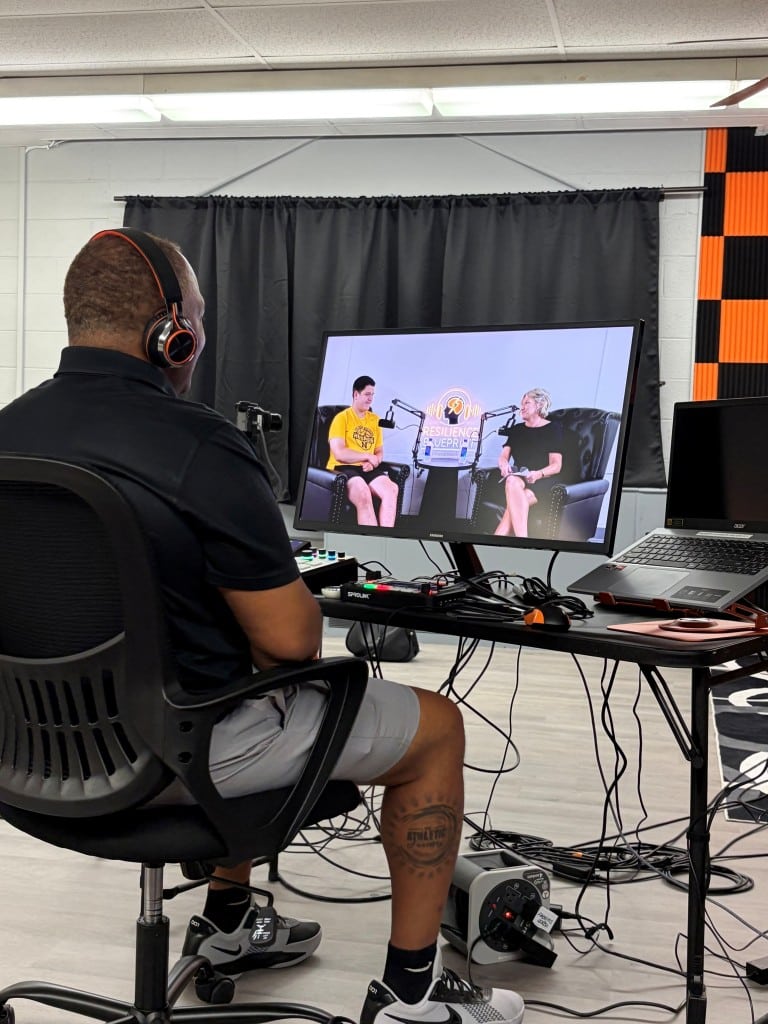
Rather than asking students to simply react to adult ideas, SCCCMH challenged them to become partners in creating new ones.
“Too often, adults develop programs for young people without first asking them what they actually need,” said Deb Johnson, CEO of St. Clair County Community Mental Health. “We wanted to do something different. We believe young people deserve a seat at the table – and more importantly, a voice in the conversation. They bring perspectives, creativity, and lived experience that adults simply can’t replicate.”
Throughout its first year, TAG members have already become active partners in SCCCMH’s community education efforts.
Students have appeared in Healthy Minds, Healthy Bodies interviews, developed Mental Health Moments shared with schools, provided feedback on youth mental health messaging, launched TAG’s social media presences, and begun developing school-based mental health resources designed specifically for their peers.
The Resilience Blueprint is simply the latest chapter in that story.
It certainly won’t be the last.
“We never wanted TAG to be a group that simply met once a month to offer opinions,” said Aubree Mayhew, SCCCHM Community Relations Specialist and TAG advisor. “We wanted students to become partners in creating real change. Every project they take on is another opportunity for them to lead, serve their peers, and remind our community that young people have valuable ideas worth investing in.”
Youth-Driven
“We didn’t create TAG so students could sit around a table once a month,” Johnson said. “We created it because we believe young people deserve meaningful opportunities to lead. Projects like The Resilience Blueprint are exactly what happens when you trust students with real responsibility and give them the support to succeed.”
The idea for The Resilience Blueprint originated with Meggan Mertz, a volunteer board member with The Athletic Factory and an educator and behavior interventionist with more than 30 years of experience supporting students.
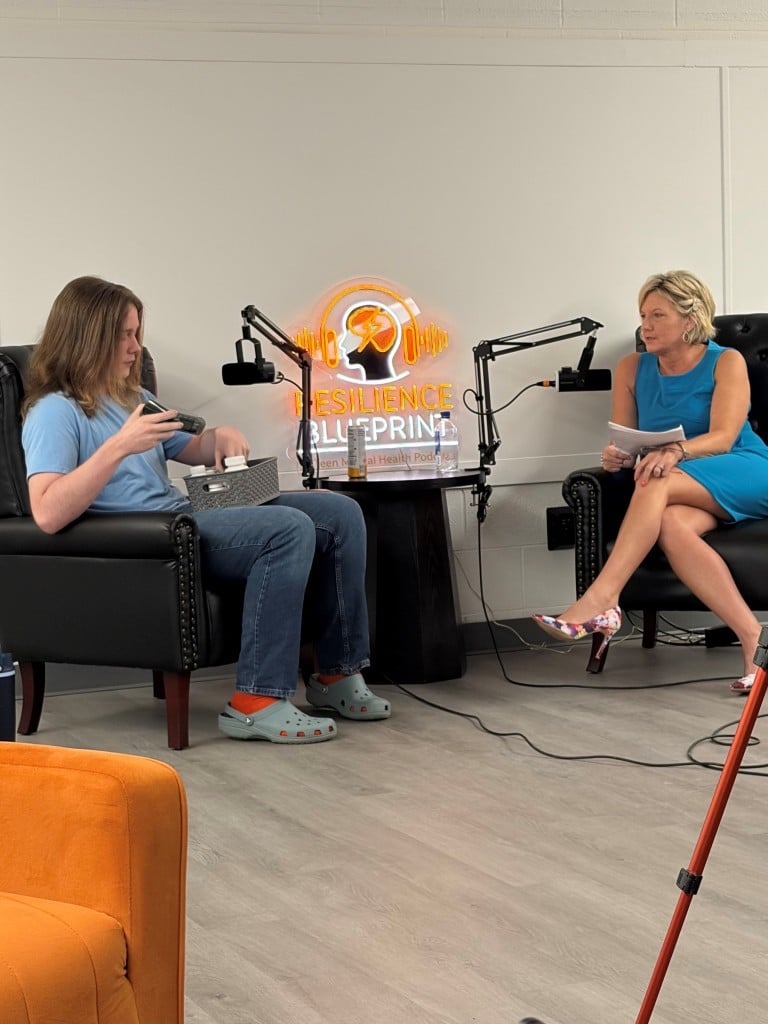
Having spent her career listening to young people navigate academic pressure, relationships, athletics, social media, and mental health challenges, Mertz envisioned creating a podcast where youth could openly discuss those experiences while learning alongside trusted adults.
“The goal was never simply to create a podcast,” Mertz said. “It was to create a place where young people could hear conversations that sound like their own lives. Sometimes the most powerful message a teenager can hear is, ‘I’ve felt that way too.’”
As conversations continued between The Athletic Factory Executive Director Cliff Thomason and Mayhew about expanding youth programming, the Teen Advisory Group quickly emerged as the ideal partner.
Rather than presenting students with a finished concept, the adults invited them to help build it from the ground up.
The students embraced the opportunity.
They recommended shorter, 8-to 12-minute episodes that fit naturally into the way teenagers consume media. They suggested topics they believe their peers genuinely want to hear. They helped shape the format, recommended guests, and challenged the adults to create something that felt authentic rather than scripted.
“The students didn’t just approve the idea – they transformed it,” Mayhew said. “Every major decision has been influenced by what they told us would actually resonate with their peers. That’s what makes this project special. It isn’t adults trying to guess what teenagers need. It’s young people helping lead the conversation alongside trusted adults.”
The first season will feature conversations around building resilience, student-athlete mental health, self-harm and self-injury, turning struggles into strength, and many of the everyday experiences today’s teenagers face.
Future episodes will explore topics including academic pressure, peer relationships, social media, reaching out for help, supporting friends, navigating difficult emotions, and more.
Some episodes will stand alone, while others will become multi-part series that allow listeners to explore more complex topics through shorter, easier-to-digest conversations.
The podcast will feature a combination of student stories, interviews, panel discussions, and conversations with trusted adults.
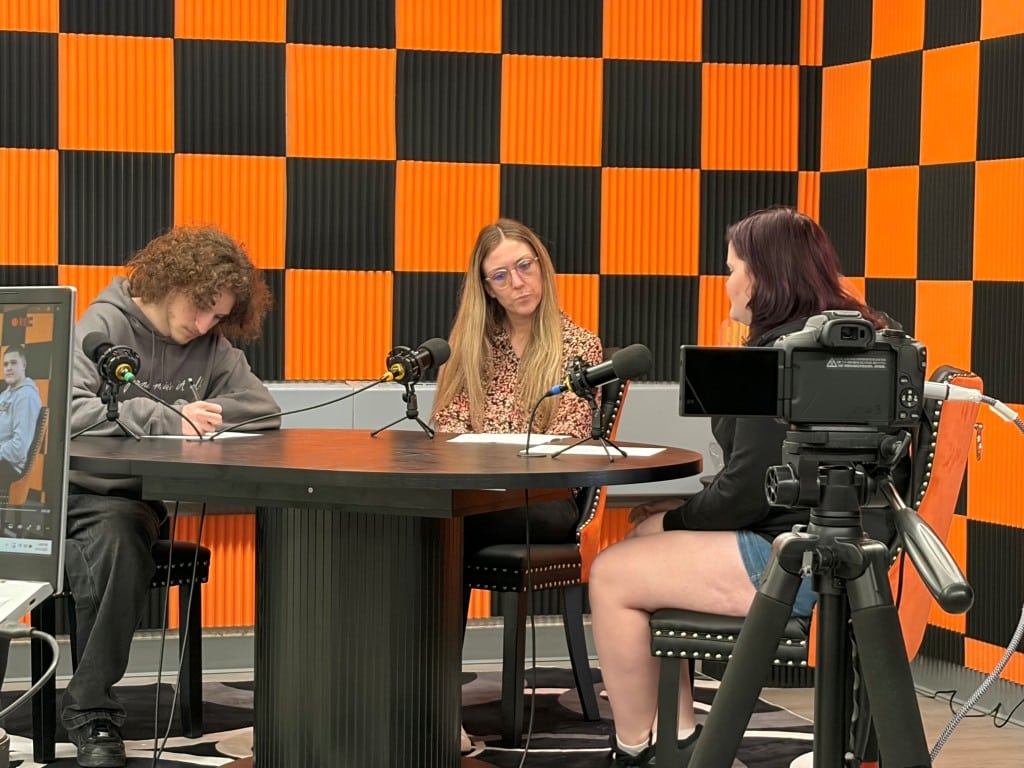
When appropriate, SCCCMH clinicians – including Teen Advisory Group Clinical Advisor Michele Nelson, LMSW, and other behavioral health professionals – will participate to ensure information shared is accurate, evidence-informed, and supportive.
“Young people lead the conversations because their voices matter,” Nelson said. “Our role is to support those conversations by providing reliable information, encouraging healthy dialogue, and reminding listeners that it’s okay to ask for help. This podcast isn’t intended to replace therapy or professional treatment. It’s a conversation that we hope helps young people feel less alone and more comfortable reaching out when they need support.”
Community-Supported
For Cliff Thomason, the partnership reflects The Athletic Factory’s commitment to helping young people grow in every aspect of life.
“We spend a lot of time helping young people grow physically,” Thomason said. “This partnership recognizes that emotional well-being deserves that same investment. Building resilience, confidence, and healthy relationships are just as important as building strength on the field or in the gym.”
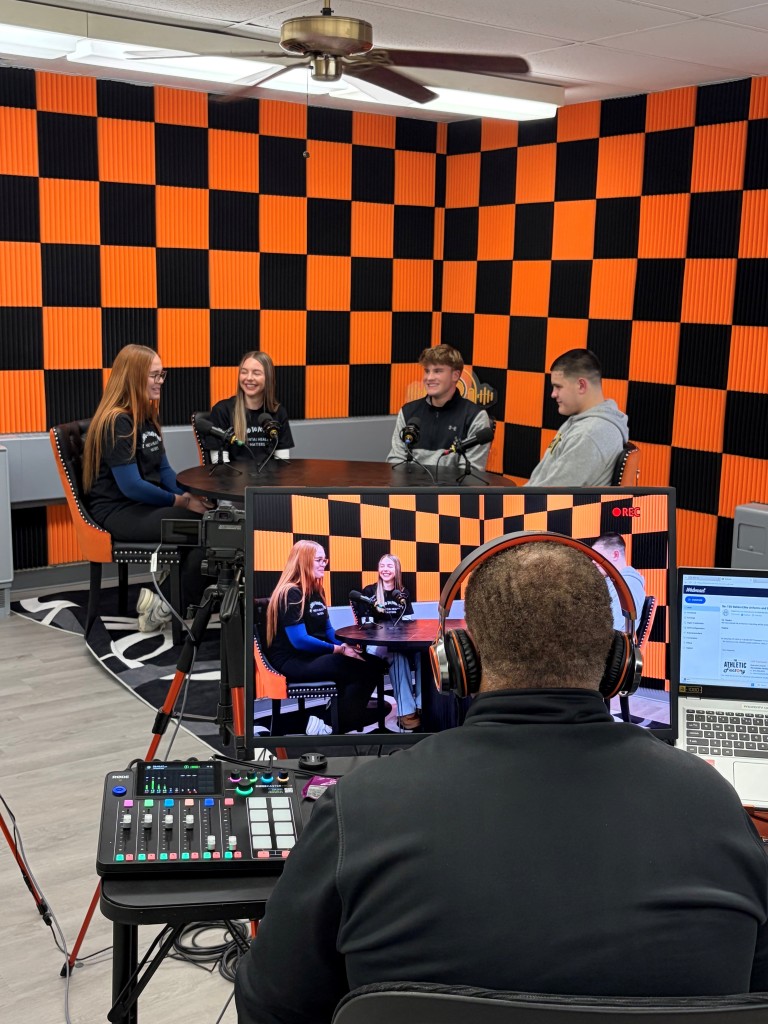
That spirit of collaboration is exactly what SCCCMH hoped TAG would inspire.
By bringing together students, clinicians, educators, community organizations, and trusted adults, TAG is demonstrating what can happen when an entire community invests in youth leadership.
The result is more than a podcast.
It’s a different way of thinking about young people. Not simply as recipients of mental health education. But as partners in creating it.
For Emma Rushton, a member of TAG’s inaugural group and involved in developing the podcast, that’s what makes The Resilience Blueprint meaningful.
“Adults can tell us to ask for help, and that’s important,” Rushton said. “But hearing another teenager talk honestly about something they’ve gone through feels different. We hope someone listens and realizes they’re not the only one.”
As TAG prepares to enter its second year, students will continue to expand their social media presence, develop peer education initiatives, create school-based mental health resources, and find new ways to strengthen resilience throughout St. Clair County.
The Resilience Blueprint may be the Teen Advisory Group’s flagship project today. Tomorrow, it may be something entirely different. Because the podcast isn’t the mission. The mission is to create opportunities for young people to lead the conversation. And in St. Clair County, those opportunities are already changing the conversation.
The microphone may be the newest tool in TAG’s toolbox. But their voices have always been the most important one.
Related Articles
St. Clair and Sanilac county leaders identify barriers to expanding rural mental health care
Behavioral health leaders in Allegan, Sanilac and St. Clair counties say flexible service models, regional partnerships and start-up funding could help more rural communities expand access to care.
Partner Partner Content Stronger Together: Celebrating Community, Connection, and Care in St. Clair County
May is Mental Health Awareness Month and SCCCMH celebrated their annual awards with this year’s theme “Stronger Together: You Are Not Alone” highlighting individuals, families, partners, and staff who make up a system of care rooted in connection and community.
Blue Water Area disability services, resources pave way for independence, confidence in community
Local and regional resources, programs and organizations exist to embrace uniqueness and varying abilities — to overcome barriers and achieve personal and professional goals for folks with disabilities and their families.


