
Blue Water Area disability services, resources pave way for independence, confidence in community
Local and regional resources, programs and organizations exist to embrace uniqueness and varying abilities — to overcome barriers and achieve personal and professional goals for folks with disabilities and their families.
Roughly one in four adults in Michigan has a disability — that’s 29% of the 2025 population, according to the Centers for Disease Control. For many of these adults, gaining the necessary life skills, overcoming barriers, and achieving independent living aren’t always viable or sustainable.
There are often many barriers between folks with disabilities and being able to achieve personal and professional goals — whether it’s added difficulties surrounding transportation, technology, accessibility, health care and mental health services, education or employment.
Within the Blue Water Area, several local and regional organizations, programs and resources aim to provide real-world solutions and resources for folks with disabilities to gain life skills, paving the way for more independent living.
At the Disability Network Eastern Michigan (DNEM), the mission is to empower people with disabilities to pursue personal growth and choice through access to community resources and supportive services. Through their core services: advocacy, independent living goals, information and referral, peer support, and transition services, the organization works to break barriers and build up stronger communities. With locations in Oakland, Macomb, Fort Gratiot, Clinton Township, and Lapeer, DNEM is committed to opening paths towards increased independent living.
DNEM’s more than 70 recreation classes and programs have served 417 veterans and their families, provided 9,915 hours of service to the community, and successfully transitioned 27 customers from nursing facilities to independent living. Of DNEM’s full and part-time employees, 84% have a disability.
As part of the St. Clair County RESA, the Woodland Development Center offers a specialized education program for students with significant disabilities from three years old to 26 years old. Their education extends beyond the classroom, offering physical, speech and language, and occupational therapy, psychological and audiological testing, orientation and mobility.
Through various adaptive education, community-based instruction and social skill development, students get hands-on, daily living skills at the Living and Learning Center. They learn how to operate in everyday life, like grocery shopping, managing time, and communicating in the workplace.
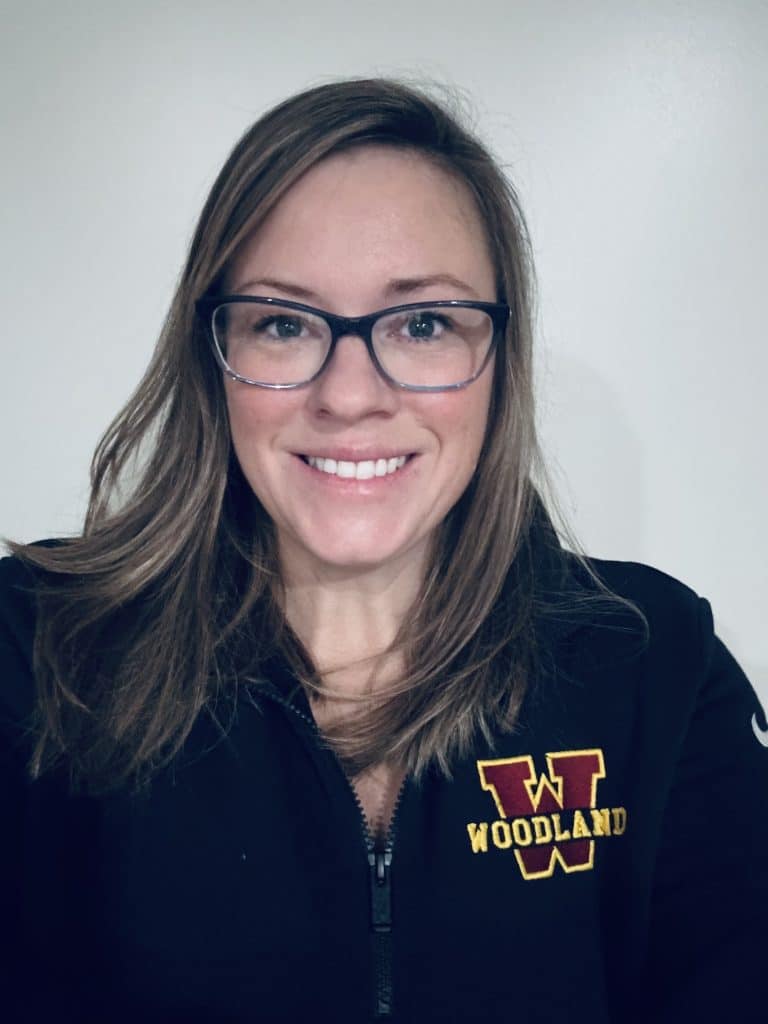
Cora Heyboer, principal at Woodland Development Center, says the school provides every student the opportunity to learn, thrive and grow at their own pace and level. There is a range of moderate-to-severely cognitively impaired classrooms to cater to each student’s individual needs.
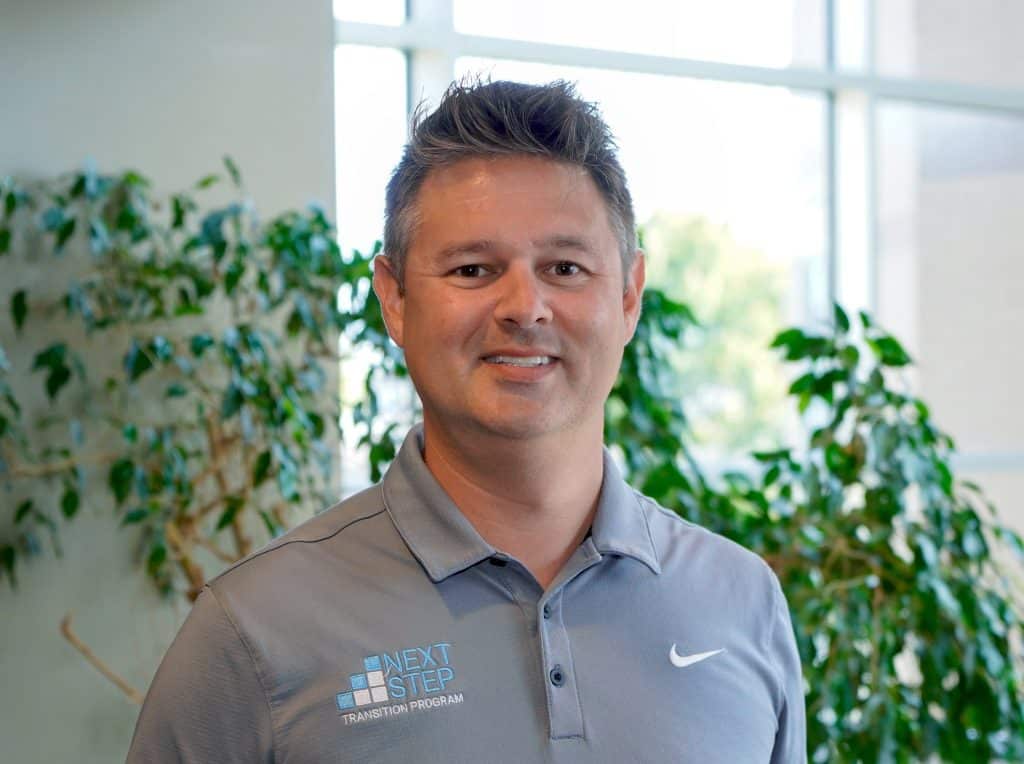
Scott Ceglarek is an advisor at the Next STEP Transition Program, a program for young adults 18-26 with documented disabilities, located on the campus of St. Clair County Community College (SC4).
“These are students who did not get a high school diploma but got a certificate of completion, so they’re still eligible for special education services,” he says. “We work on creating independence, employment opportunities, and getting involved in the community. Our mission is to help students towards employment by aligning their talents, interests, and skills with work-based learning opportunities, by getting jobs at local businesses and creating community-based learning opportunities.”
Ceglarek says the program works well because most students don’t have any prior formal work experience.
“We’re giving that to them, and we’re doing that in a real-world work setting, where they’re actually going on in the community,” he says. “We’re working on the skills to become employable, those soft skills and social skills to maintain the job.”
Students can learn at individualized levels of independence, whether they’re living on their own or with a caretaker. Through the post-secondary educational program, they learn skills like banking and budgeting.
Heyboer says the two programs have similar goals.
“The focus is really helping each child to become the most independent that they can be, and the best contributing member to their community that they can be,” she says.
The program’s teachers have received statewide recognition, too. Woodland Developmental Center teacher Angela Jackson was named a 2026-2027 Region 5 Teacher of the Year by the Michigan Department of Education. Nominated by one of her students’ parents, Jackson is one of 10 teachers who go above and beyond for their schools and communities.
Ceglarek says working in tandem with outside agencies ensures student success across the board.
“It takes a village to service our students and to get them where they want to be and where we would like to see them,” he says. “There are always going to be barriers for our students, unfortunately, but working with our community agencies to overcome them is always going to be our goal. Outside agencies like Community Mental Health and Michigan Rehab Services are vital pieces to what we do, and connecting families to those services. If we can tie them into those agencies of support, they can become their new community after school.”
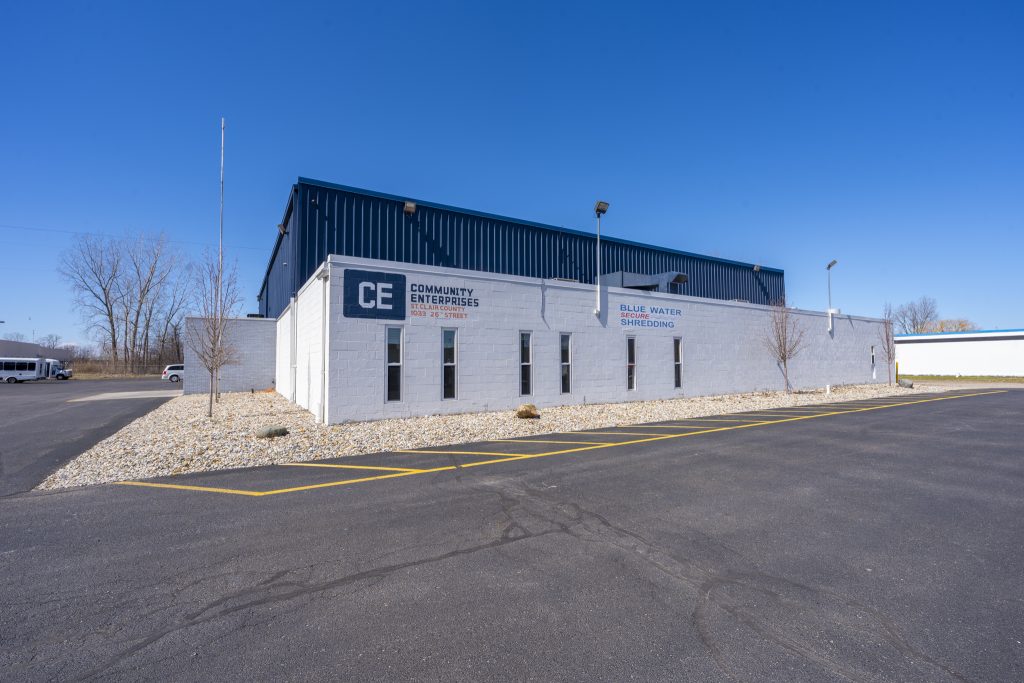
Community Enterprises of St. Clair County believes people are neither defined nor bound by disabilities, but aim to celebrate uniqueness and empower one another. Their mission is to provide unique, consumer-driven programming that empowers individuals with disabilities to lead a thriving personal and professional life.
Last year alone, Community Enterprises provided services to 248 individuals ranging from 18 to 85 years old, many of whom attend programs two to four days a week. Programs offered at two locations in Port Huron and one in Marine City include skill-building classes, daily living activities, work skills, and recreational and hobby classes.
Scott Shine is executive director at Community Enterprises of St. Clair County, a private non-profit.
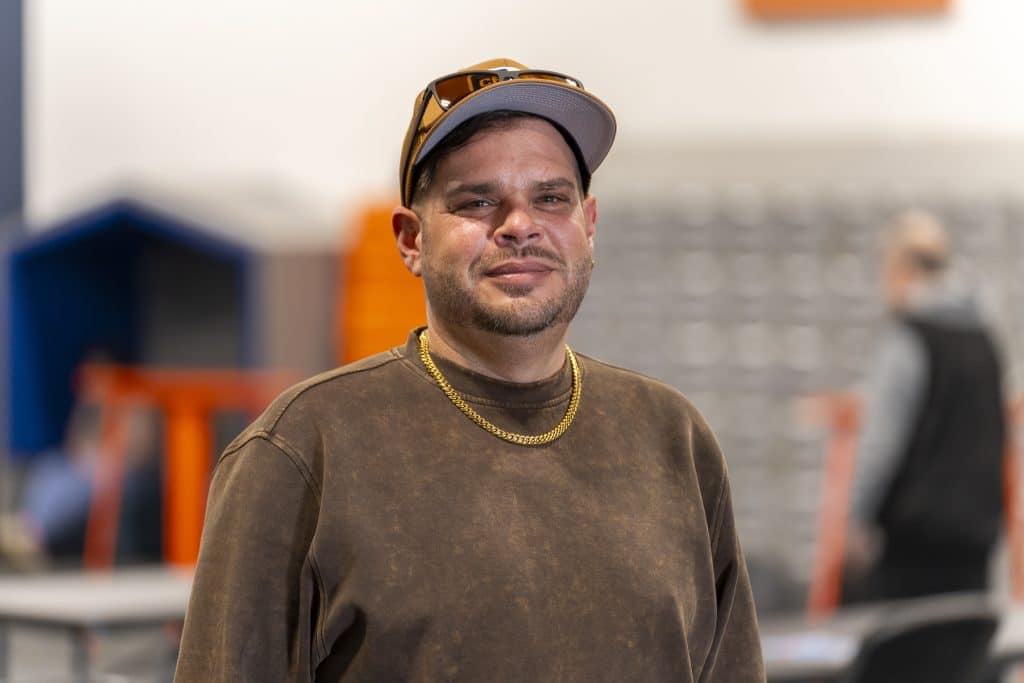
“We are here to support adults with intellectual and developmental disabilities on their quest to live a full and complete life to the best of our abilities. We provide that through skill building, social integration and community integration,” he says.
He knows firsthand about the barriers and extra hurdles families of those with disabilities face. Shine attributes the lack of resources for people with disabilities to gain these skills back to financial barriers.
“If you’re in a family with a person with a disability, you’re three times more likely to be living in poverty,” he says.
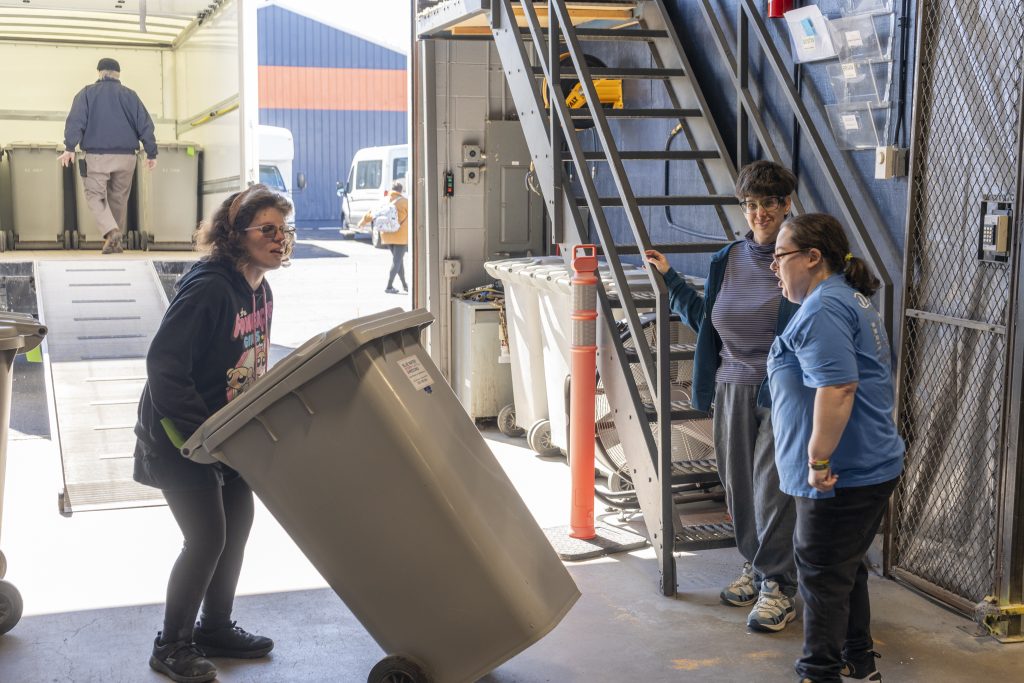
Although the offerings are wide-ranging, Shine says the individual-driven organization works hard to provide solutions for families.
“Each person with a disability doesn’t have the same needs or the same needs for skills, so it varies. We offer 20 different class offerings that rotate every month, ranging from daily living activities like brushing your teeth, doing laundry, cooking classes, and job prep classes.”
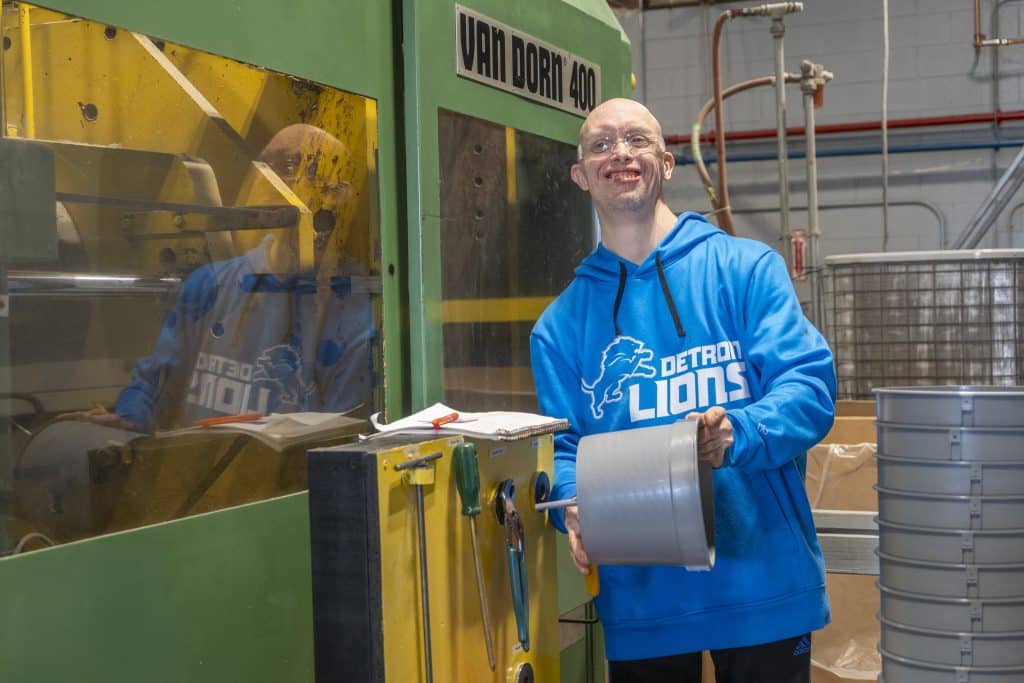
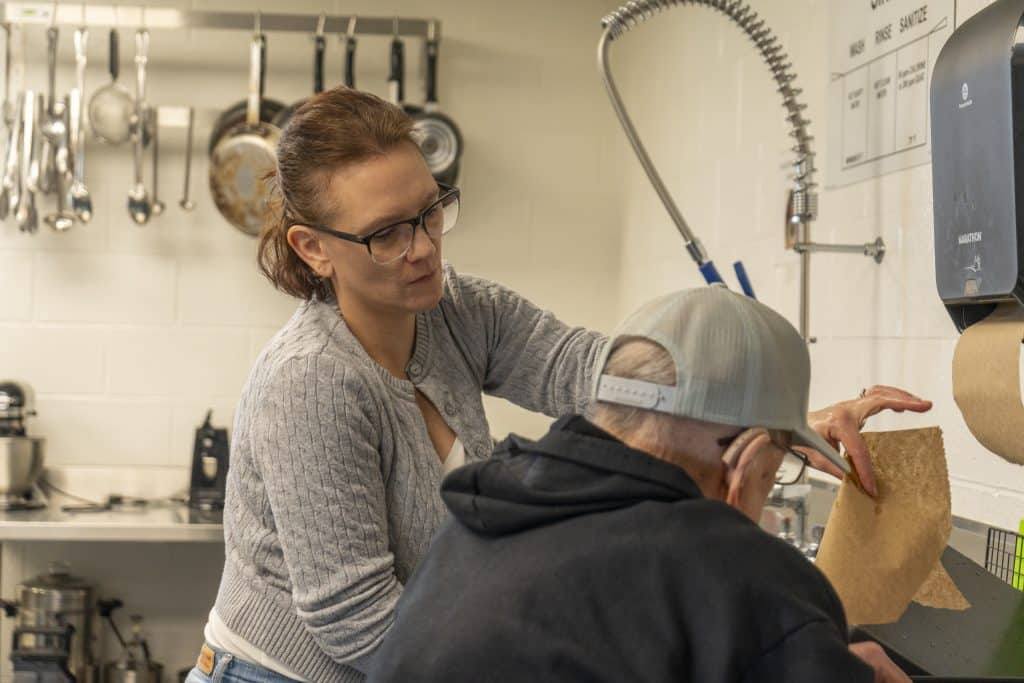
Community Enterprises employs around 40 people with disabilities through their paper shredding business and plastic utility bales.
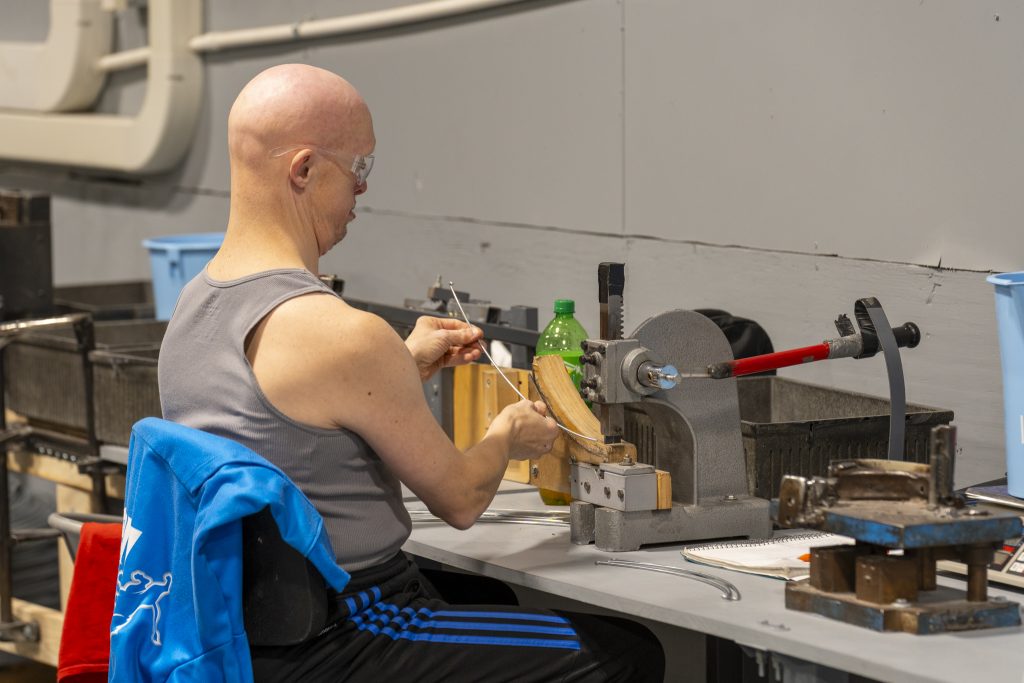
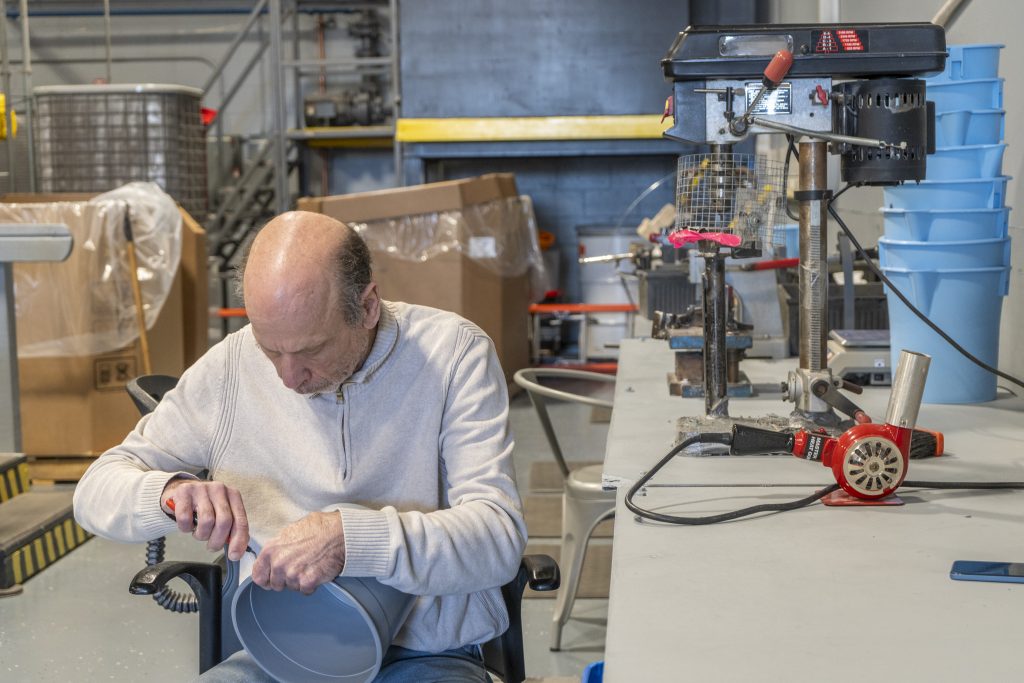
Shine says the biggest barriers are employment and transportation. To address those pressures, CE has a fleet of 28 vehicles.
“Each year we are putting about 180,000 miles on our vehicles accessing the community to experience things they probably wouldn’t be able to do otherwise,” he says.
Being flexible with their programs based on community needs is what makes CE such a valuable tool, Shine says.
“We really try to embrace our consumers, our customers,” he says. “These folks have had to adapt their entire lives, so we as an organization adapt to them. We try to anticipate their needs, but we can only do that through effectively listening to them and meeting them where they are and what they need.”
It’s not about getting ‘better,’ it’s about being accepted, feeling independent and respected. After the pandemic, the organization pivoted towards embracing and developing the person as a whole.
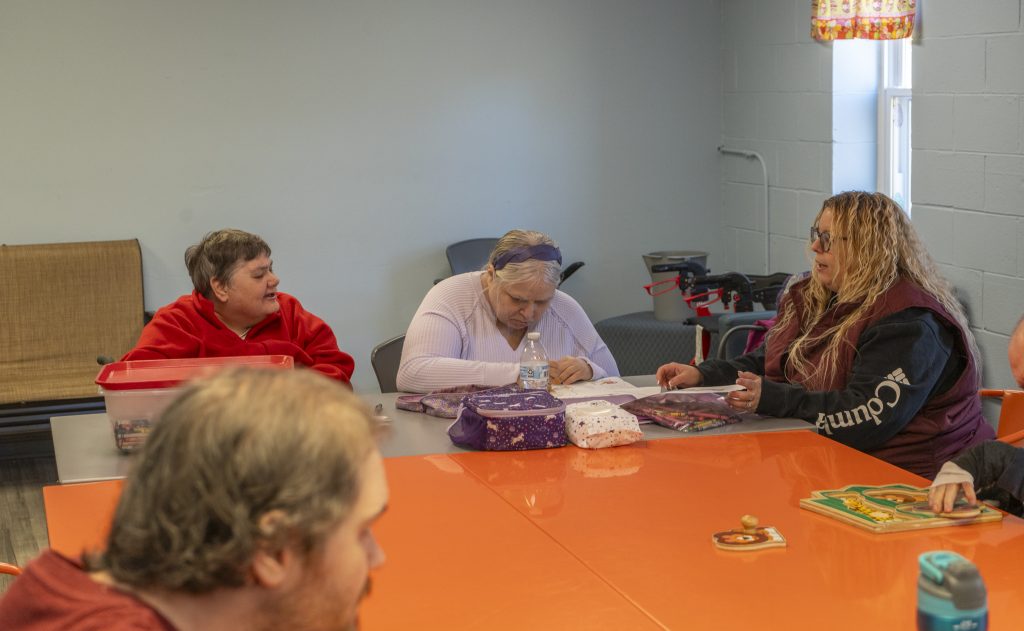
“We don’t take a stance that the only way to live a fulfilled life is to have a job; there are a lot of ways outside of that to live a fulfilled life,” he says. “I want to look at what we can do to make your life more complete. That’s really what drives us.
For some, social interactions are essential to mental and physical health. Whether it’s bowling outings, swimming at the YMCA, or a pottery class, a partnership with the Blue Water Area Transit brings about 160 people to the CE locations daily.
“Something like 85 to 90 percent of our courses are offered in community settings,” Shine says.
Part of the goal is to get these folks to feel motivated and confident in being members of their community. Programs help prepare consumers with pre-employment classes, helping them understand schedules, being on time and well-groomed.
In the future, Shine hopes to improve the organization’s staff-to-consumer ratio, which is affected by fluctuating funding. He would also like to see one of the program’s limitations — being solely a day program, which impacts the activities available — become more accessible as many social activities and traditional outings happen after work hours and on the weekends.
To address this issue, Community Enterprises hosts monthly events like dances and concerts. Shine hopes to build out the organization and its space to be more adaptable and ready for long-term sustainable growth.
Author

Related Articles
Yale’s Heart & Soul Project puts residents at the center of community planning
For the past year, volunteers in Yale have been collecting stories and ideas from residents that organizers hope will eventually shape future community priorities.
Partner Partner Content How St. Clair County Community Mental Health’s Teen Advisory Group is Giving Young People a Voice – and Launching a New Conversation About Mental Health
The Resilience Blueprint, created by teens, for teens, is a podcast that will explore the real conversations young people want to have about mental health, resilience, and the everyday challenges they face.
Partner Partner Content Stronger Together: Celebrating Community, Connection, and Care in St. Clair County
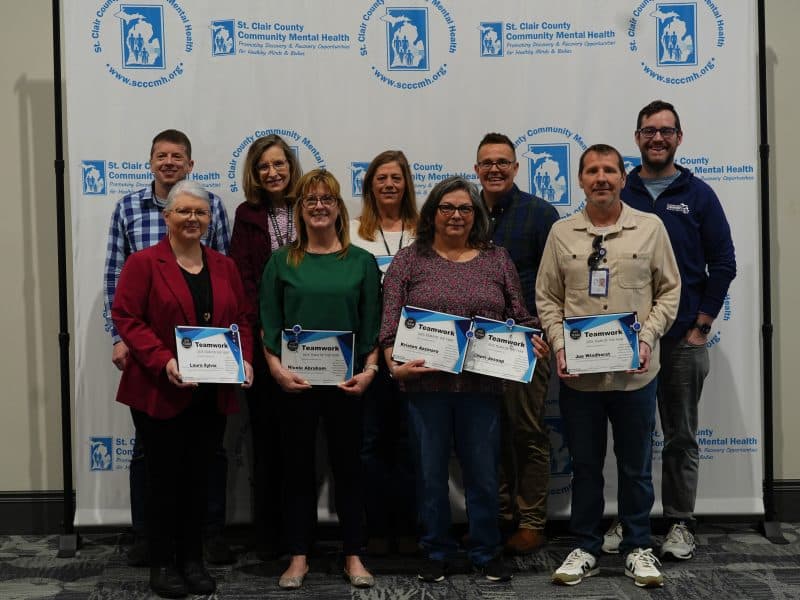
May is Mental Health Awareness Month and SCCCMH celebrated their annual awards with this year’s theme “Stronger Together: You Are Not Alone” highlighting individuals, families, partners, and staff who make up a system of care rooted in connection and community.


